
Buffalo Grove Garage Door Guide
Wind and the Wide Door: A Buffalo Grove Problem
Buffalo Grove's 1980s-90s double-wide doors weren't all built with wind bracing in mind. Here's what a gusty day does to a 16-foot panel and when to worry.
- Licensed & Insured
- Same-Area Service Calls
- Upfront Pricing
How Local Conditions Play In
Buffalo Grove sits in a cold moderate climate band, which means wind isn't a once-a-year event here - it's a regular part of what a garage door has to shrug off, season after season. Most of the housing in this service area went up between 1938 and 2009, with the bulk of it dating to the 1980s and 90s. That matters for this specific problem because that era is when two-car homes really took off, and builders started hanging 16-foot double-wide doors as a standard feature rather than an upgrade.
A single 8 or 9-foot door handles wind pressure fine because the panel is narrow and stiff. A 16-foot door is a much bigger sail, and the track, rollers, and end hardware from a 1980s or 90s build weren't always spec'd with reinforcement to match the extra width. The door still opens and closes fine on a calm day.
It's the gusty ones that expose the gap between what the door was built to do and what a wide opening actually asks of it.
What Most People Get Wrong
The assumption we run into most is that a heavier door is a stronger door. Owners feel the weight of a double-wide panel and figure that mass alone will keep it put in a stiff wind. Weight and lateral stiffness aren't the same thing.
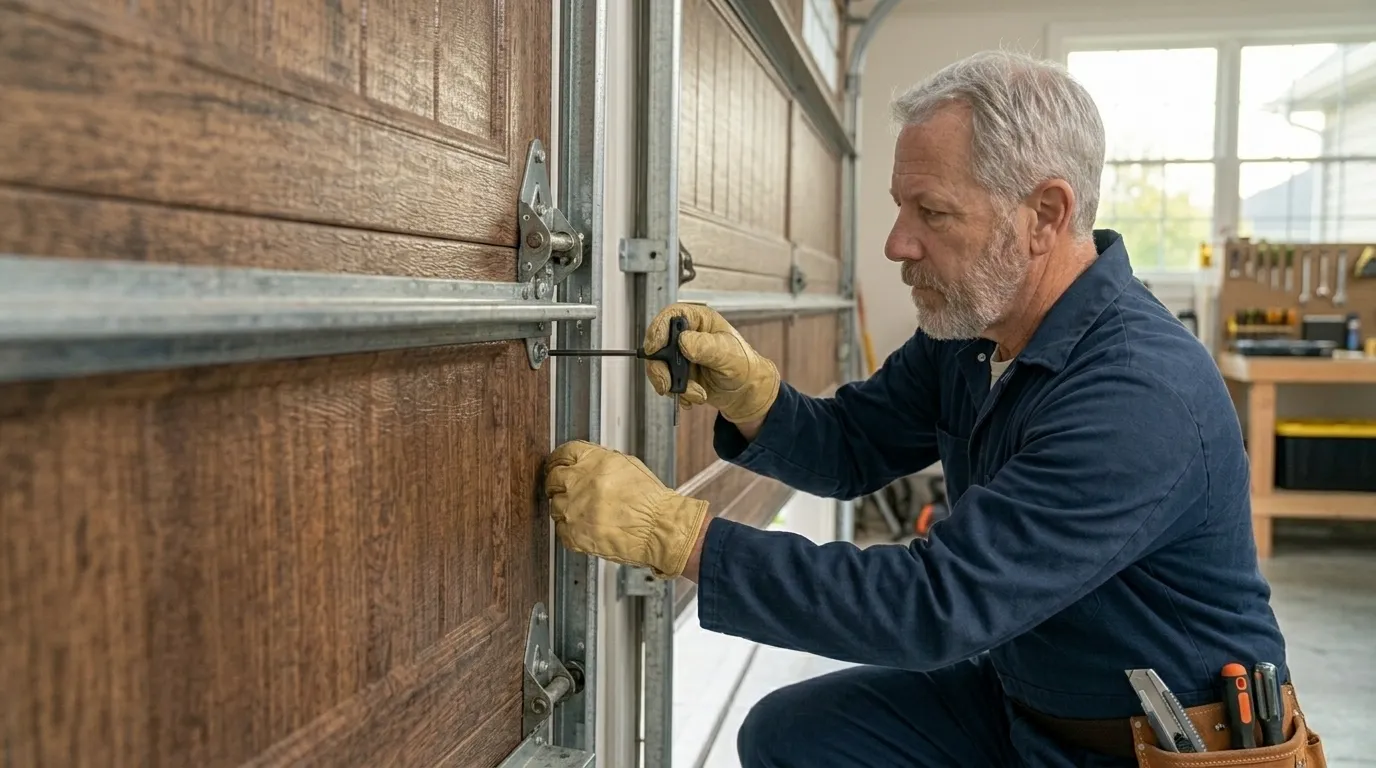
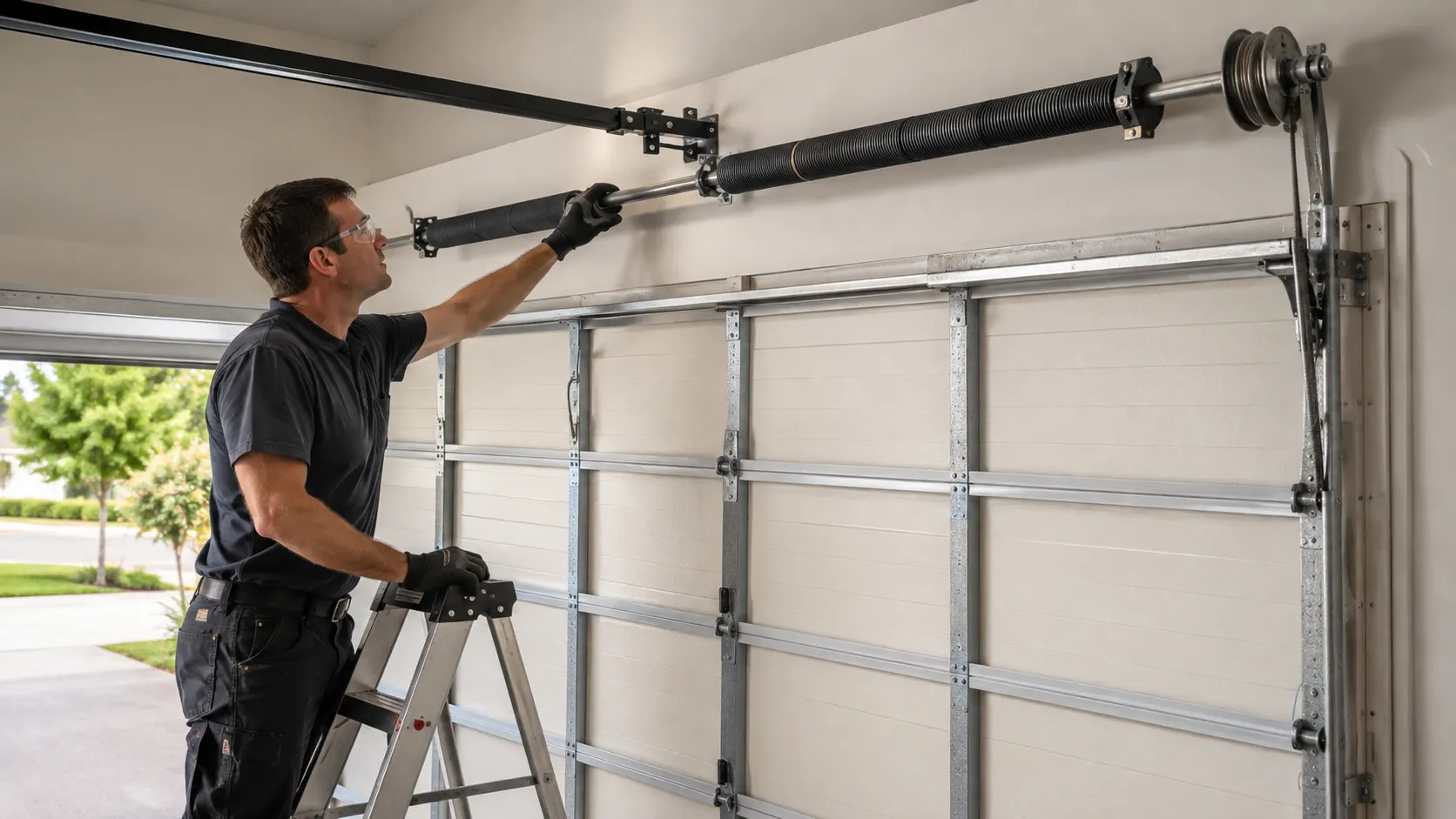
A wide door flexes across its horizontal center the way a long shelf sags under a load a short one wouldn't notice, and flex is exactly what a torsion spring and track system on an older double-wide wasn't necessarily built to absorb without a horizontal strut added across the top sections. The other thing people miss: they check the springs and the opener when something feels off, and never look at the track brackets, because a bent bracket doesn't make noise the way a dying spring does. On a house from the 1980s or 90s stock common around here, that bracket hardware has had three or four decades to loosen at the lag screws, and wind is what finally finds the slack.
What Is Going On
Wind loads a door unevenly. Push on a 16-foot panel and the middle wants to bow in or out before the edges do, because the edges are pinned to the track and the middle isn't pinned to anything. Repeat that flex over enough windy days and you get roller wear at the mid-panel hinges, track brackets working loose from the jamb, and eventually a door that binds or jumps track on the next gust rather than riding it out.
On the double-wide doors common to this area's 1980s-90s stock, we also see thinner original steel skins without a strut bar across the top panel - fine in a garage tucked out of the wind, less fine on an exposed exposure. None of this is dramatic on any single day. It's cumulative, and cold moderate climates like this one give a door enough windy days a year to make cumulative wear a real factor rather than a theoretical one.
Leaving It Alone
A door that flexes a little in the wind and closes fine the next morning isn't an emergency, and we're not going to tell you every gusty afternoon needs a service call. What we will say is that loose track brackets and a missing strut on a wide double door don't fix themselves, and they get more expensive the longer they run - a bracket that pulls out from repeated flex can take the jamb trim with it, and a track that's shifted enough to bind will eventually strand the door open or shut.
Here's the honest limit: we can add strut bracing and tighten or replace hardware, but we don't do structural work on the garage opening itself, so if the wind exposure is bad enough that the framing around the door is the real issue, that's a call for a contractor, not us. Most of what we see on doors from this era is hardware fatigue, not framing failure, and that part is straightforward to fix.
How We Can Help
Garage Door Repair
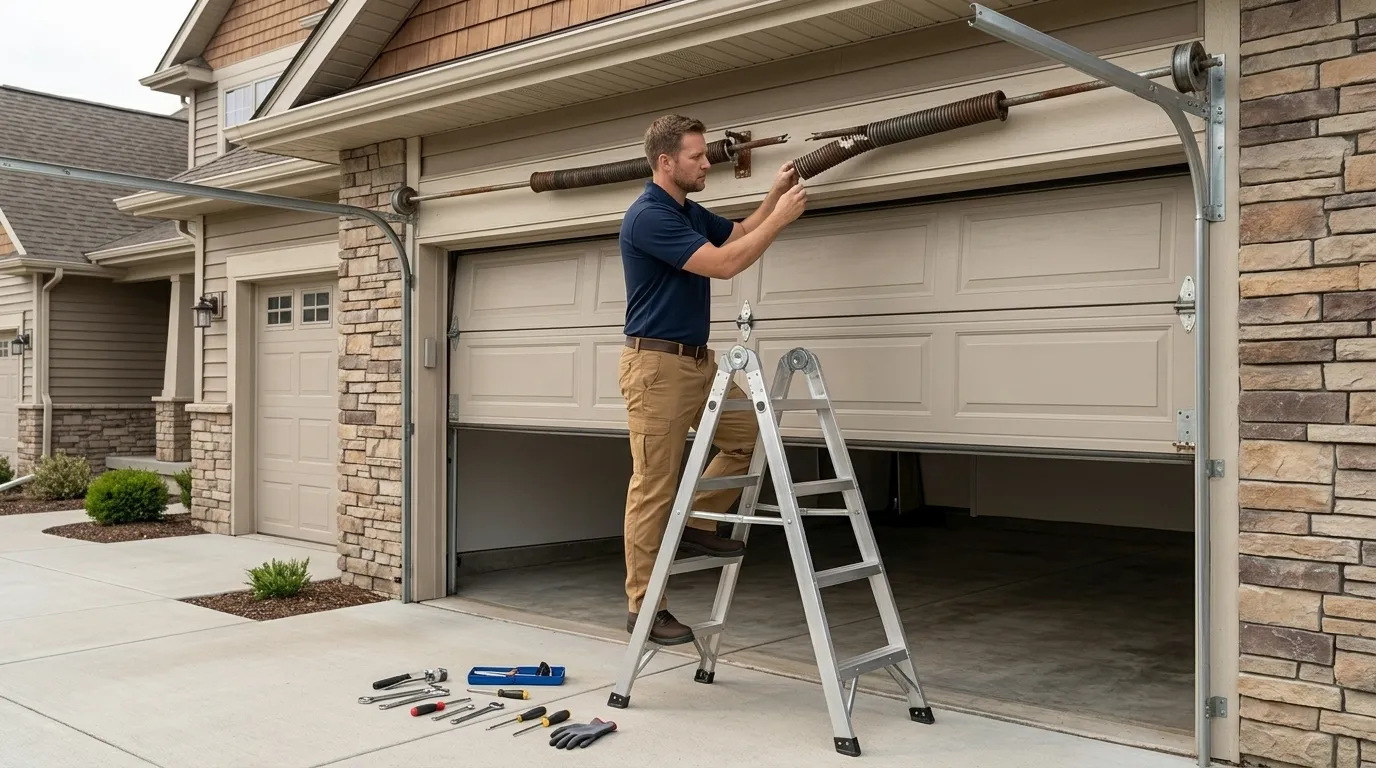
Springs, cables, tracks, rollers, and openers fixed by a tech who explains the problem before touching anything.
Learn more →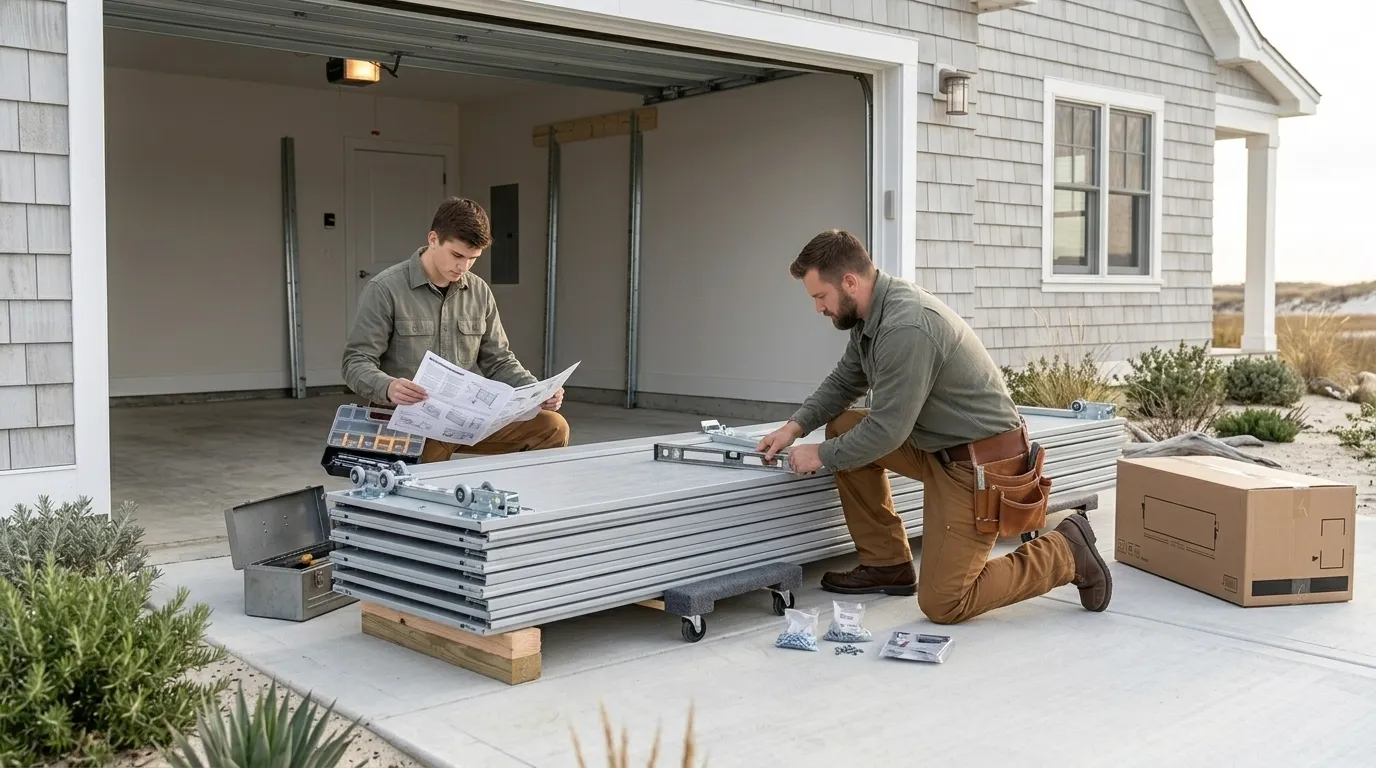
Garage Door Installation
New sectional doors sized and installed for the housing stock actually built in this area.
Learn more →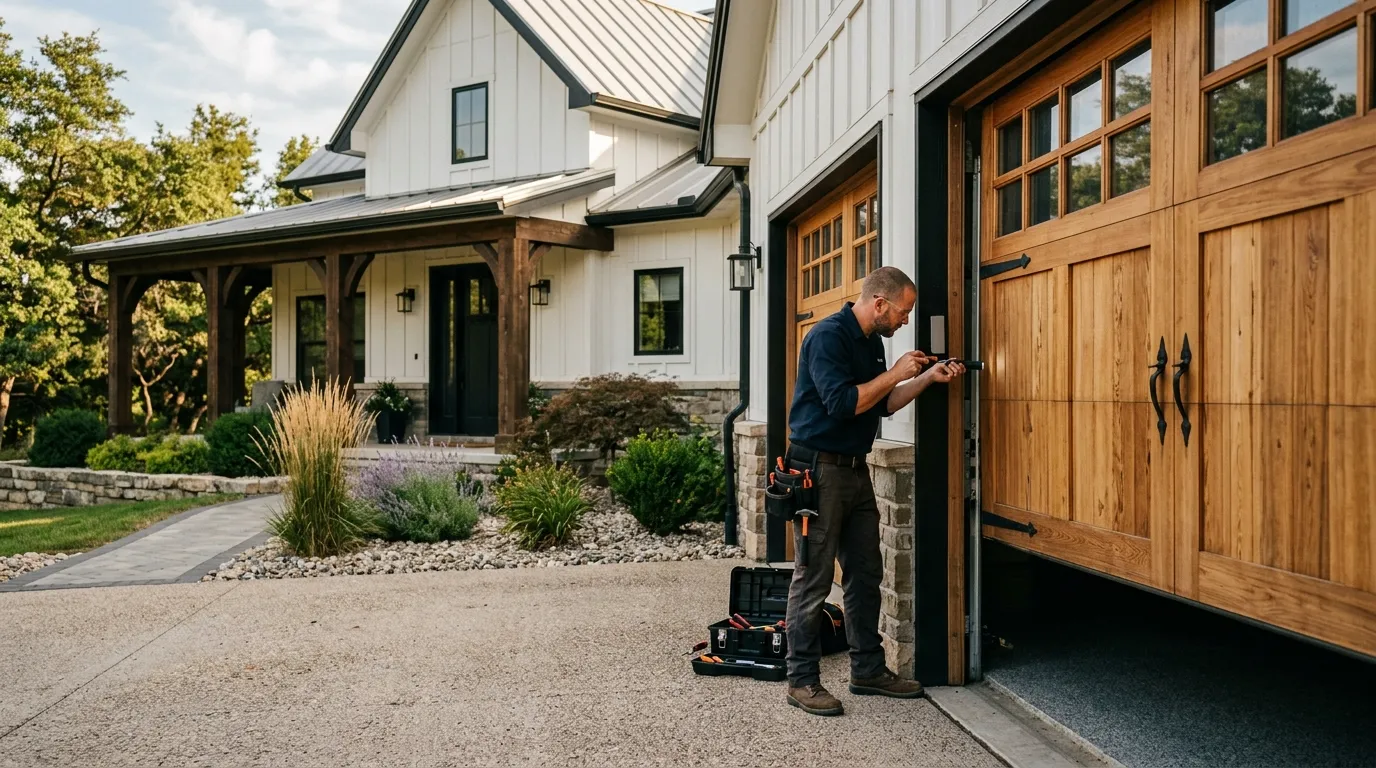
Garage Door Service
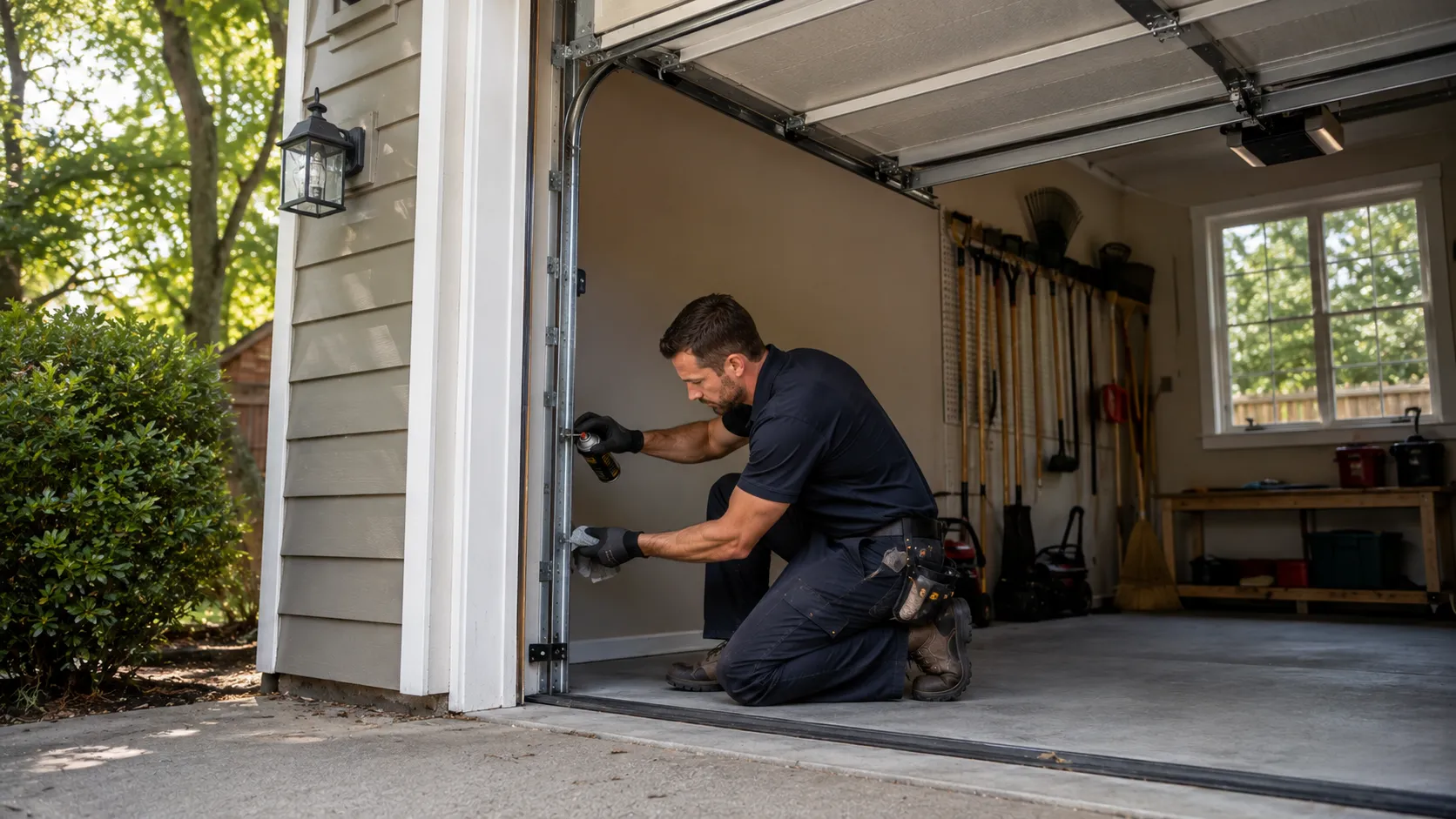
Tune-ups, lubrication, and safety checks that catch a small problem before it becomes a service call.
Learn more →Frequently Asked Questions
Is it normal for my garage door to shake or flex when it's windy in Buffalo Grove?
Some movement on a 16-foot double-wide door is normal, especially on homes from the 1980s or 90s that didn't come with a horizontal strut across the top panel. If it's more than a slight flex, or you hear the track bracket rattle, that's worth having looked at before a bracket works loose.
Do older double-wide doors around here need extra bracing for wind?
Many do. A lot of the double-wide doors built in this area's 1980s-90s housing boom went in without a top strut bar, since standard door kits at the time didn't always include one. Adding a strut is a straightforward retrofit and it's the single biggest fix for wind flex on a wide door.
How do I know if wind has already damaged my door hardware?
Look at the track brackets where they bolt into the jamb - loose lag screws or a bracket pulled slightly away from the wood are the first signs. You may also notice the door binding partway through its travel. Catching it at the bracket stage is far cheaper than after the track shifts.
Have a Door That Needs a Second Opinion?
Call and describe what it is doing - we will tell you what it likely is.