
Buffalo Grove Garage Door Guide
Why So Many Buffalo Grove Garage Doors Have No Insulation
Why so many Buffalo Grove garages still have uninsulated doors, what the 1980s-era housing stock means for a cold-winter house, and when it's worth swapping the door out.
- Licensed & Insured
- Same-Area Service Calls
- Upfront Pricing
How Local Conditions Play In
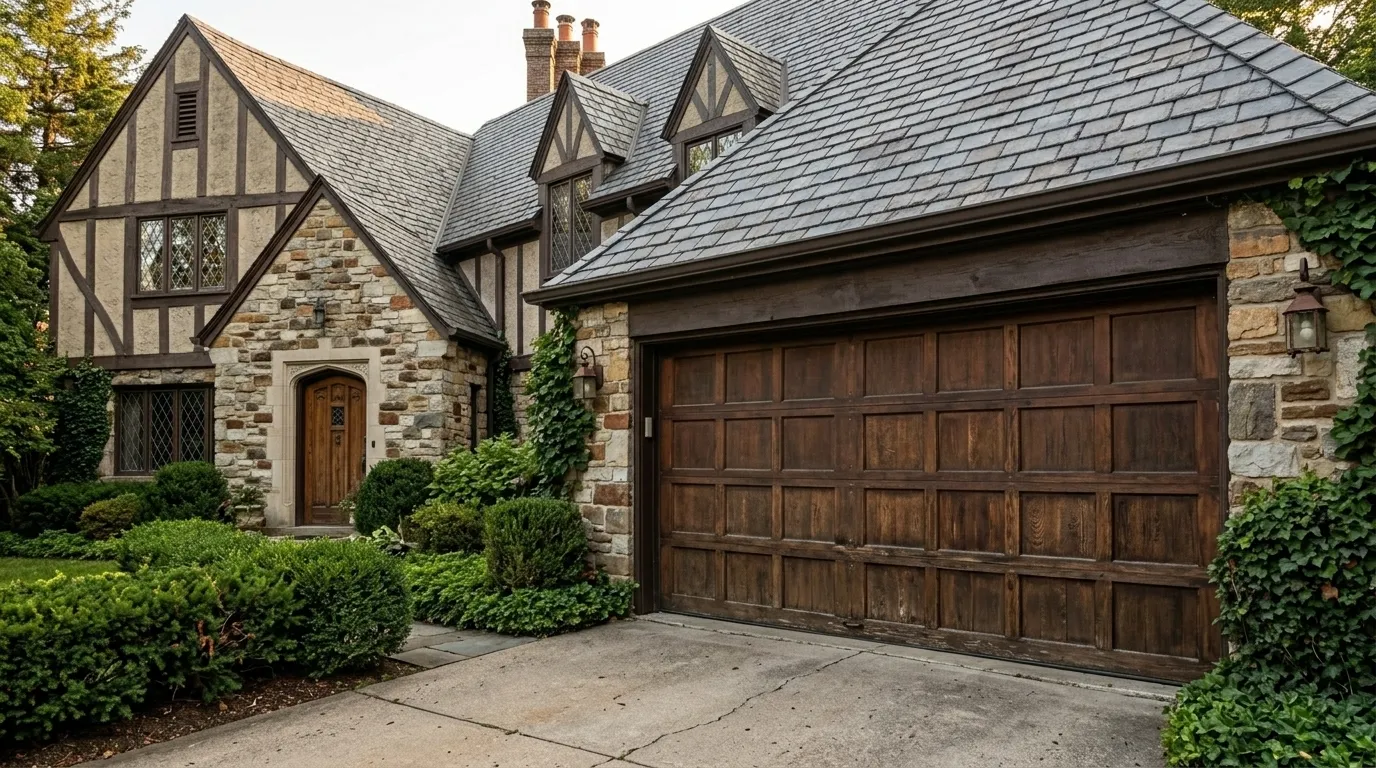
Housing in this part of the service area went up mostly between 1938 and 2009, with the heaviest concentration in the 1980s and 90s. That matters because insulated garage doors weren't standard practice on production homes until well after that window closed. A door built to code in 1985 met the code of 1985 - a single layer of steel, maybe a thin foam liner glued in as an afterthought, no thermal break at the frame.
That's not a defect. It's just what got built.
Pair that with a cold, moderate winter climate and you get a predictable problem: garages that sit ten to fifteen degrees colder than they'd need to if the door actually held heat. If your garage shares a wall with a bedroom or a laundry room, you feel it on the other side of that wall. This isn't a Buffalo Grove-specific defect story - it's a Buffalo Grove-specific age-of-housing story, and the two nearby towns at three miles out, Lincolnshire and Long Grove, sit on the same era of stock, so the same gap shows up there too.
What Most People Get Wrong
The common assumption is that a garage door is either broken or fine, and that if it opens and closes smoothly there's nothing to fix. Insulation isn't a smoothly-operating-or-not question, though.
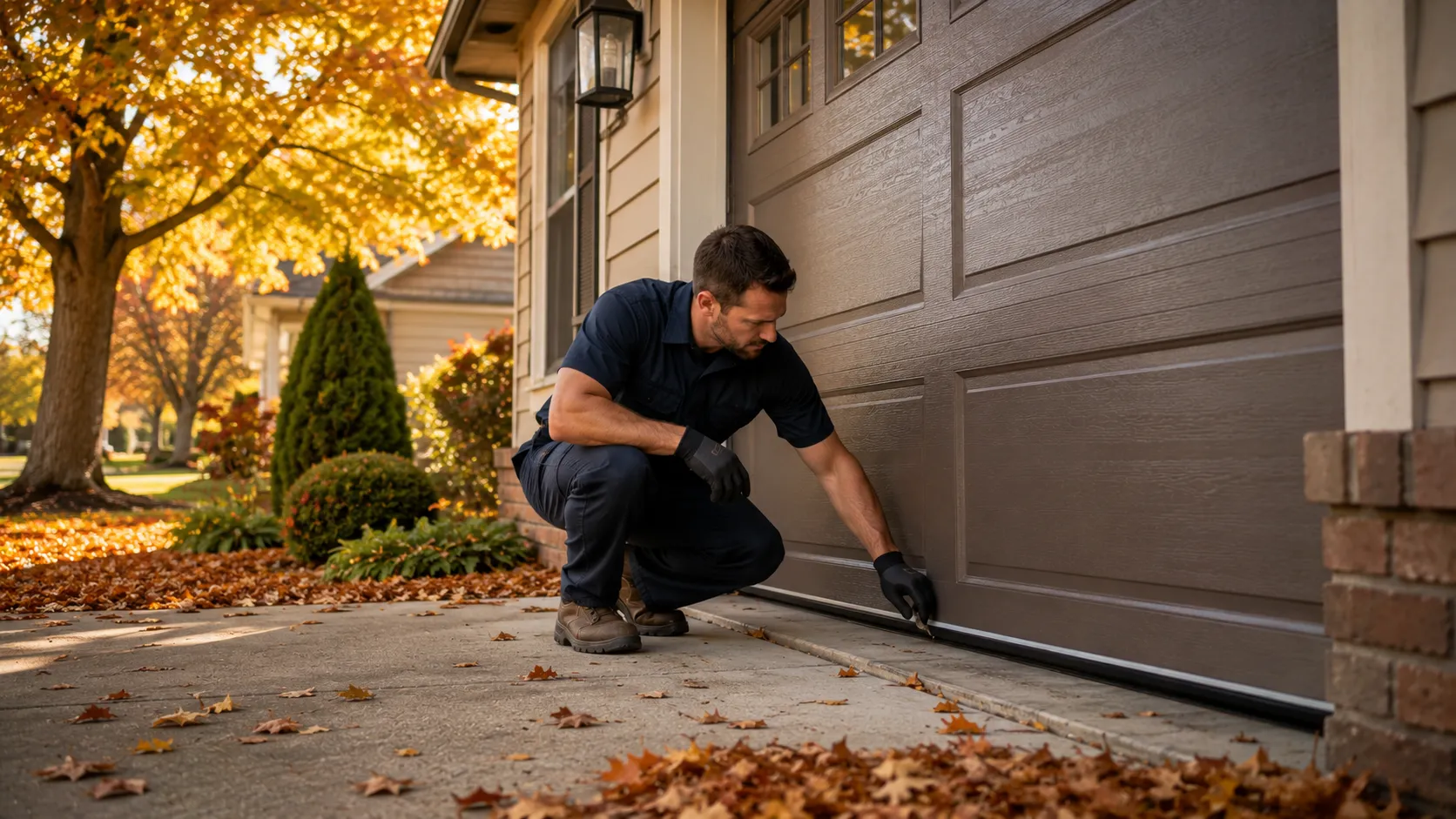
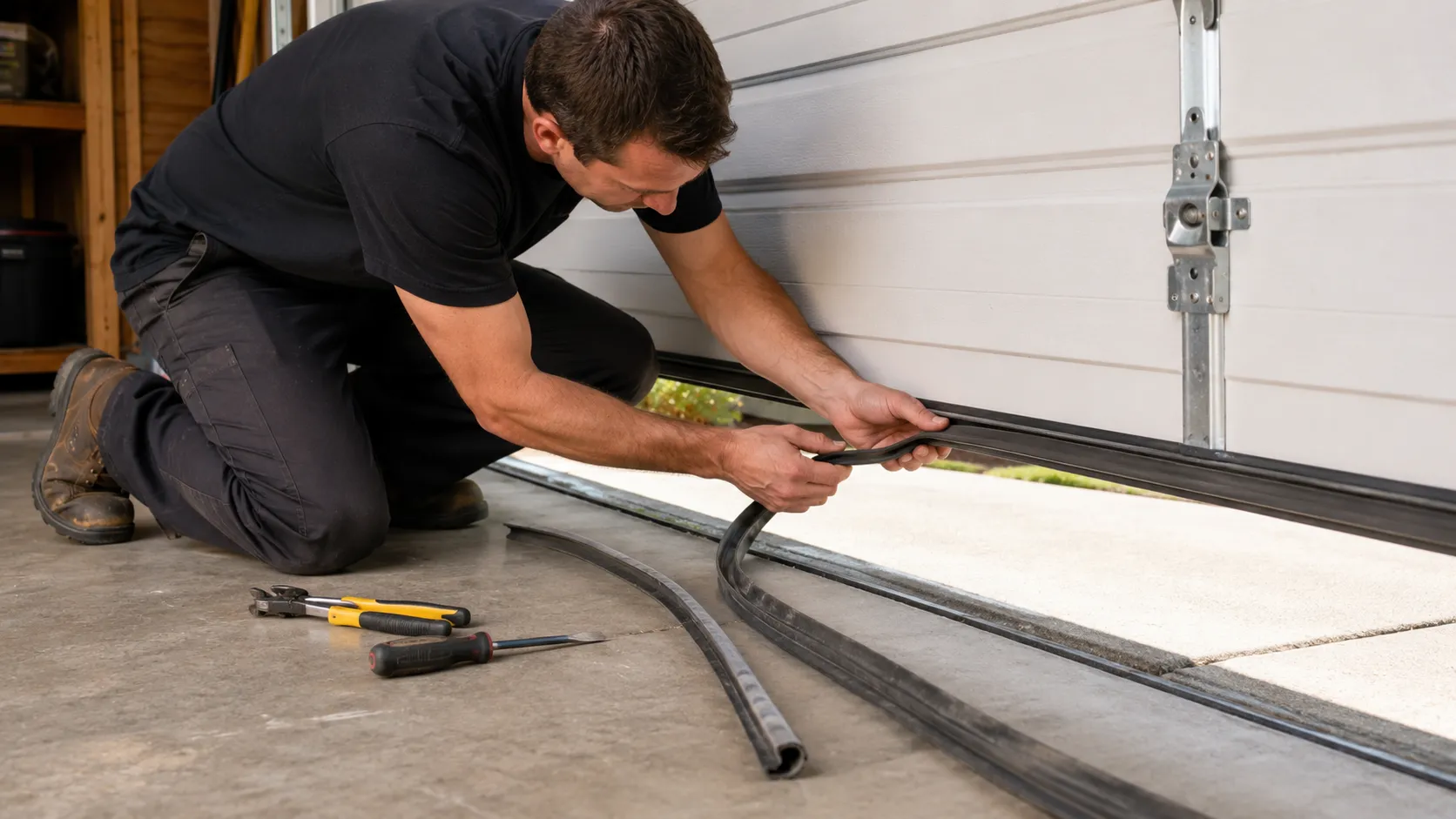
A door can run perfectly on its rollers and track for another ten years while still being a single sheet of 24-gauge steel with dead air behind it. Owners often chase the wrong symptom - they'll weatherstrip the bottom seal, add a threshold, maybe caulk the trim - and wonder why the garage still feels like an icebox.
The other mistake is assuming an insulated retrofit kit fixes what an insulated door does. Foam board glued to the inside of an old panel door adds some R-value, but it doesn't touch the air gaps at the panel joints or the thermal bridge at the steel frame itself. It's a partial fix for people who aren't ready to replace the whole door, and it's worth doing, but it shouldn't be sold or bought as equivalent to a door built with insulation designed in from the start.
What Is Going On
With 180,389 owner-occupied houses across a service area built mostly before insulated doors were standard, non-insulated garages are the rule here, not some rare exception you stumbled into. The door itself is usually fine mechanically - torsion springs, tracks, and openers from that era were built solid and often outlast the paint job. What's missing is the layer that keeps warm air in the house and cold air in the garage from ever needing to talk to each other.
At a median household income of $109,790 in the area, replacing an old door with a properly insulated one is a real option for a lot of owners here, not a stretch. It's also not urgent in the way a broken spring is urgent - nothing fails, nothing traps a car inside, nothing needs a same-day call. It's a comfort and utility-bill decision more than a repair decision, which is exactly why it gets put off for years.

Leaving It Alone
You can leave an uninsulated door alone indefinitely and nothing bad happens to the door itself - steel doors from the 1980s and 90s were built to last, and plenty are still tracking straight and sealing fine mechanically. The cost of doing nothing shows up on the heating side, not the hardware side: a cold garage next to a heated room, a slow drip of extra furnace runtime through the winter months this climate hands you every year.
Here's the honest limit: we don't push insulation retrofits on doors that are still structurally sound just to make a sale. If your panels are straight, your springs are balanced, and the door seals at the bottom, an insulation upgrade is a want, not a need, and we'll tell you that plainly when we're out looking at it. If you do want the comfort fix, a full door swap beats a foam-kit patch, but the patch is a legitimate middle option if a full replacement isn't in the budget this year.
How We Can Help
Garage Door Repair
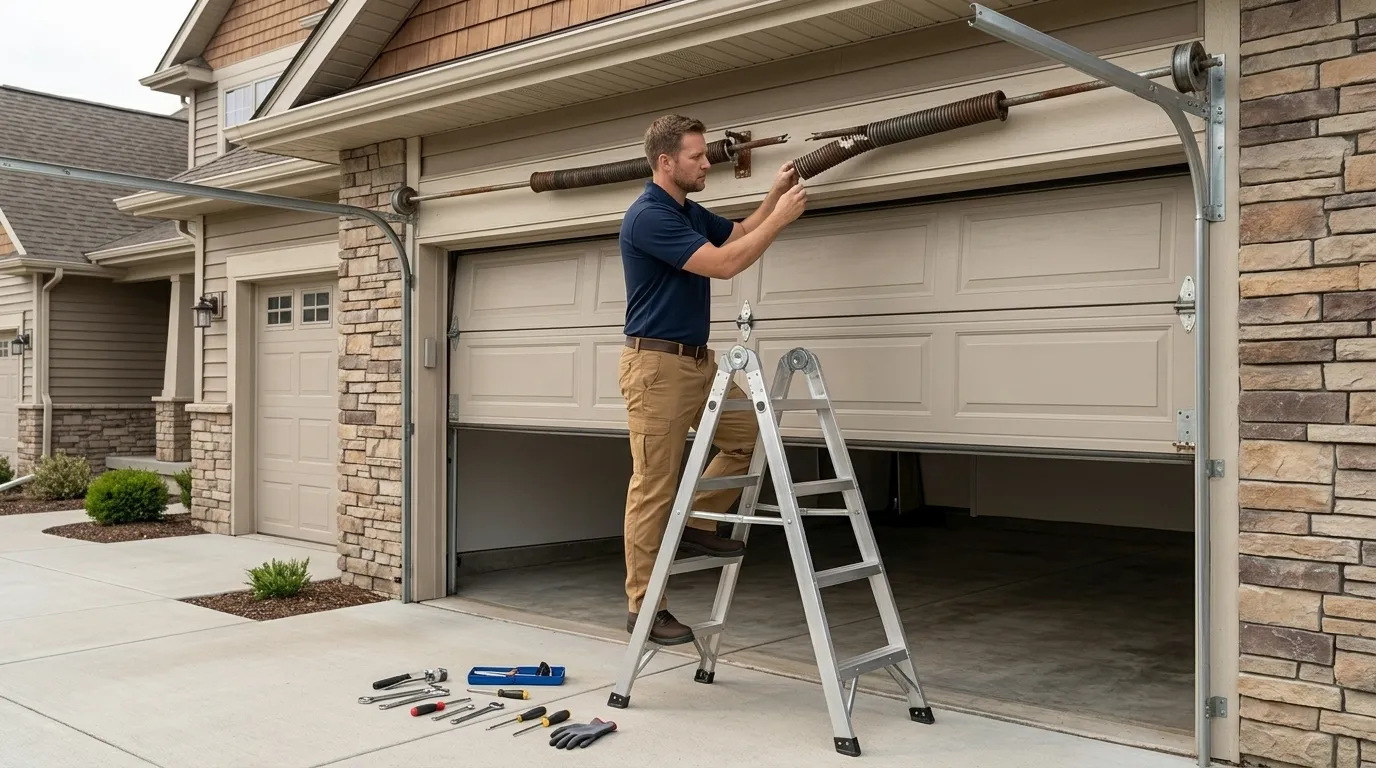
Springs, cables, tracks, rollers, and openers fixed by a tech who explains the problem before touching anything.
Learn more →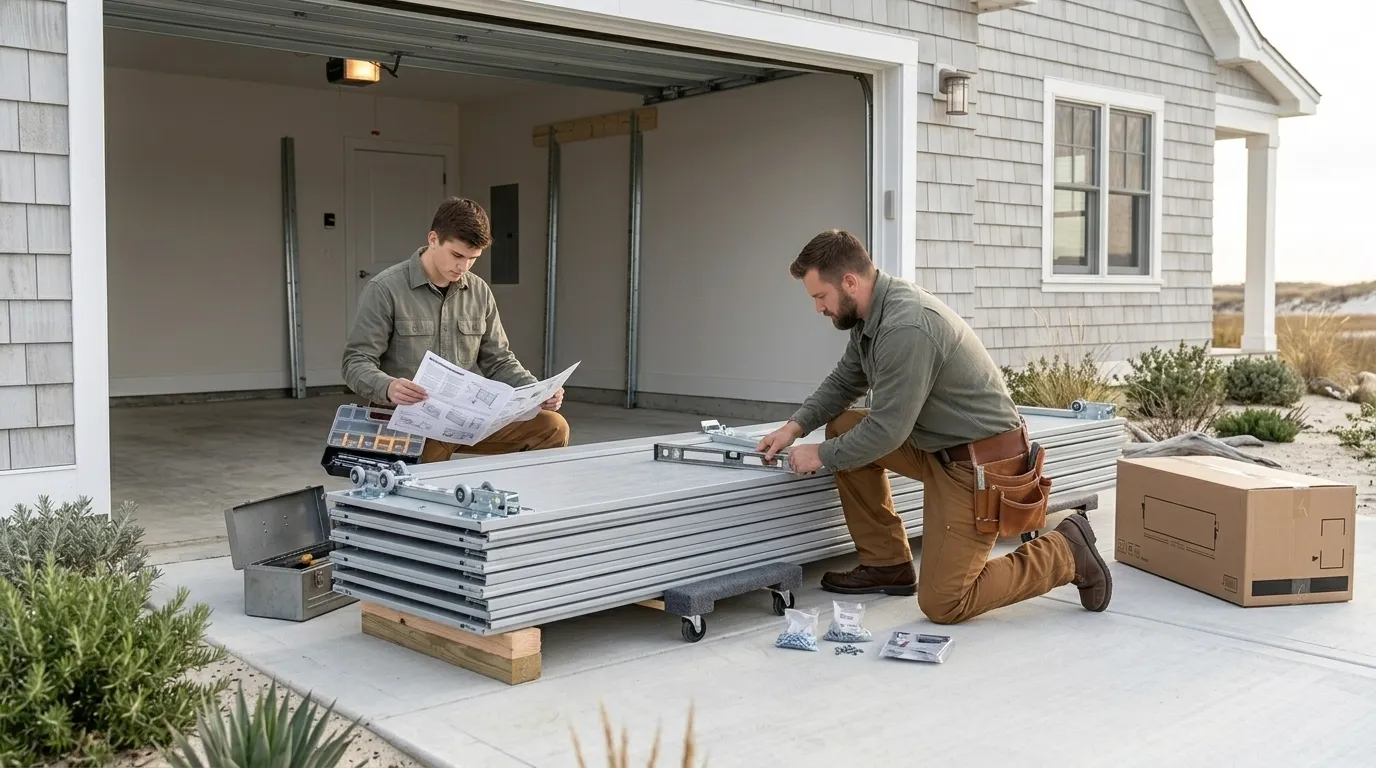
Garage Door Installation
New sectional doors sized and installed for the housing stock actually built in this area.
Learn more →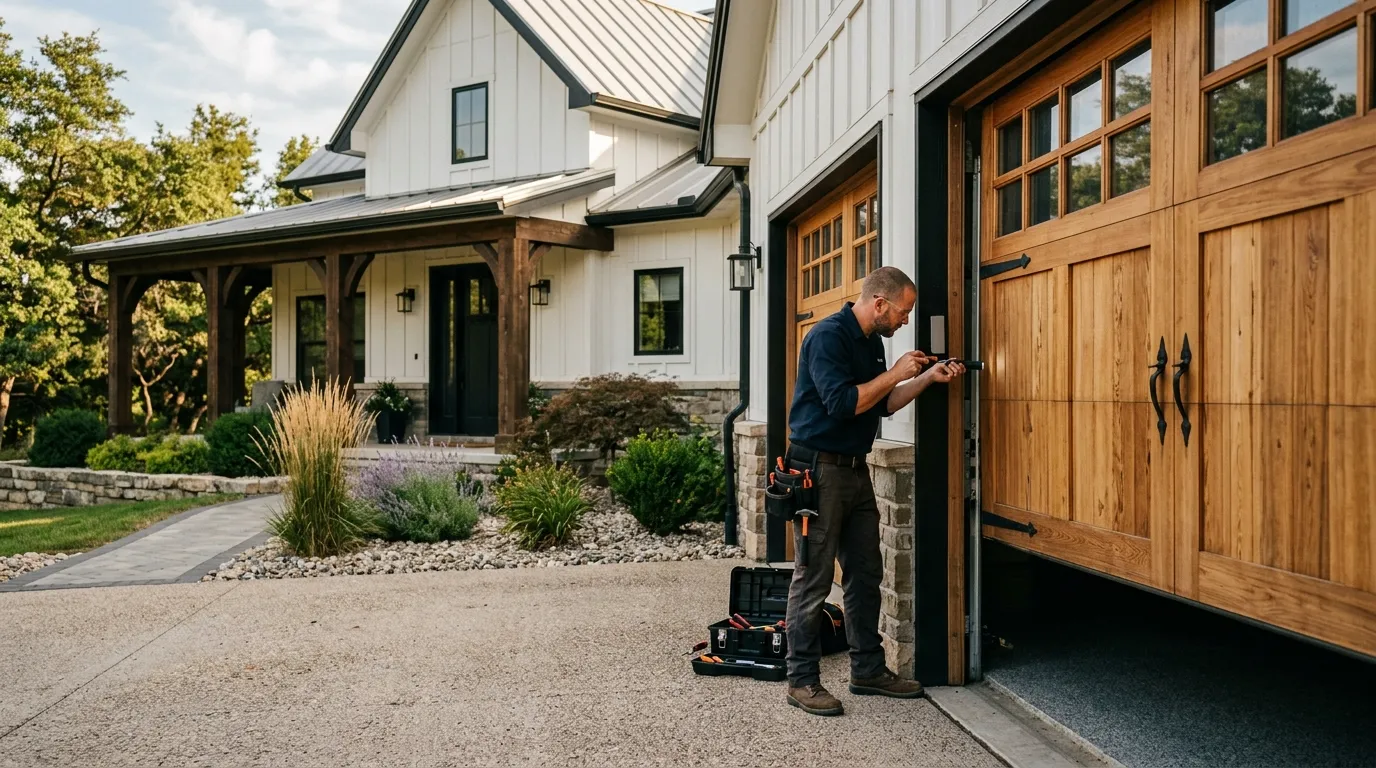
Garage Door Service
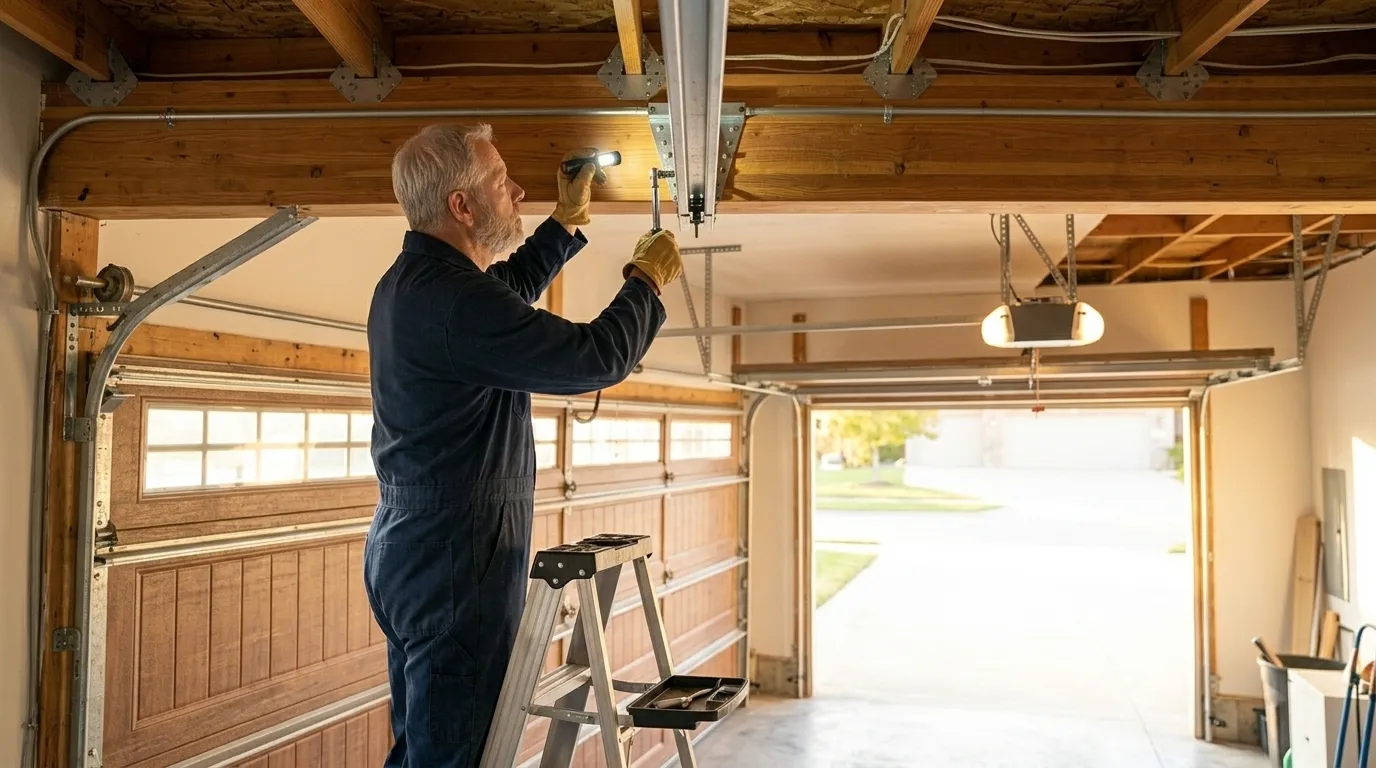
Tune-ups, lubrication, and safety checks that catch a small problem before it becomes a service call.
Learn more →Frequently Asked Questions
Is my garage door too old to insulate?
Age alone doesn't rule it out. A door from the 1980s or 90s with straight panels and working hardware can usually take a foam-kit retrofit or get swapped for an insulated model. The bigger question is condition, not birth year - if the panels are dented or the seals are shot, replacement makes more sense than patching.
Will insulating the garage door actually lower my heating bill?
It reduces heat loss through that one large surface and warms up the garage itself, which helps if a living space shares a wall with it. We don't have a dollar figure to give you for this climate specifically, but the mechanism is straightforward: less single-layer steel exposed to cold air means less heat pulled out of the house next door.
How do I know if my door was ever insulated?
Check the inside face. A single flat steel sheet with visible ribs and no backing means no insulation. Foam board glued between the ribs is a retrofit. A door with a smooth polystyrene or polyurethane core sandwiched between two steel skins was built insulated from the start - you'll feel the extra weight when you lift it manually.
Have a Door That Needs a Second Opinion?
Call and describe what it is doing - we will tell you what it likely is.