
Buffalo Grove Garage Door Guide
Is Your Buffalo Grove Garage Door Worth Fixing, or Time to Replace
Buffalo Grove homes mostly date to the 1980s and 90s. Here's how to tell if your original door and hardware are worth repairing or ready to replace.
- Licensed & Insured
- Same-Area Service Calls
- Upfront Pricing
How Local Conditions Play In
Buffalo Grove housing runs from 1938 up through 2009, but the median build year sits around 1980, and most of what we work on across the area's named subdivisions dates to that 1980s-90s stretch. That matters because a door installed in 1985 has been through roughly forty winters of the cold-moderate swings this part of Illinois gets - freeze-thaw cycles that work on steel panel seams, weatherstripping, and the galvanized coating on springs and tracks. A door doesn't fail because it's old on paper.
It fails because four decades of temperature swings have worked the metal and the seals harder than a newer door built with tighter tolerances and better coatings. If your door is original to a house built in that 1980s window, the hardware underneath it has usually seen more stress than the panel itself lets on. That's the piece people miss when they're deciding whether a repair makes sense: it's not the door's age in years, it's what forty cold-moderate seasons did to the parts you can't see from the driveway.
What Most People Get Wrong
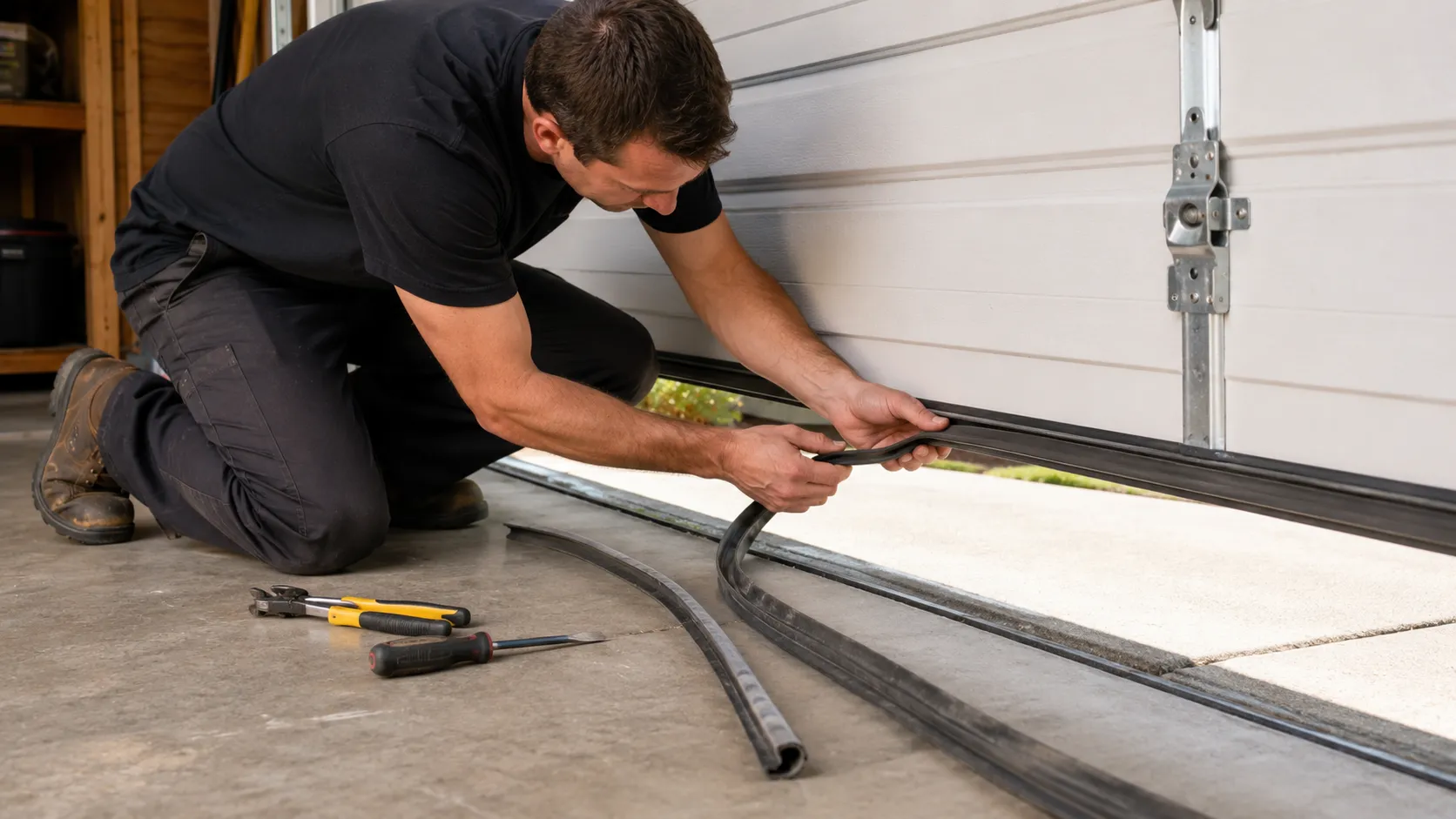
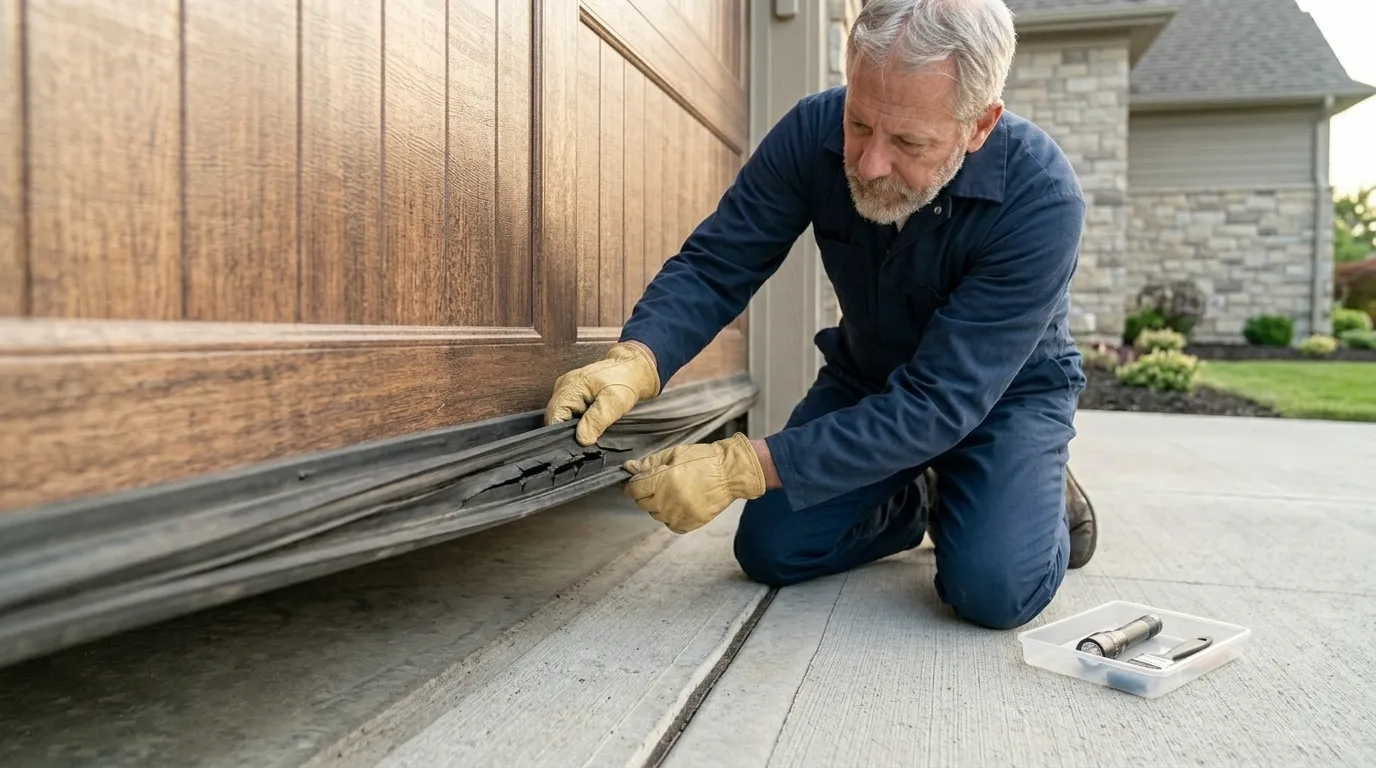
The common mistake is judging a door by its face. A steel panel from the 1980s can still look flat and presentable while the torsion spring behind it is well past its rated cycle count, and the track brackets have loosened from repeated freeze-thaw movement in the framing around them. People replace a broken spring on an old door and assume they've solved the problem, when the rollers and the bottom seal are the same age and about to go next.
On the other side, we see doors condemned as "too old" when the actual issue is a single worn roller or a bent track section - a job that costs a fraction of full replacement. " There's no universal answer. It depends on which part failed and what else on that door is original.
What Is Going On
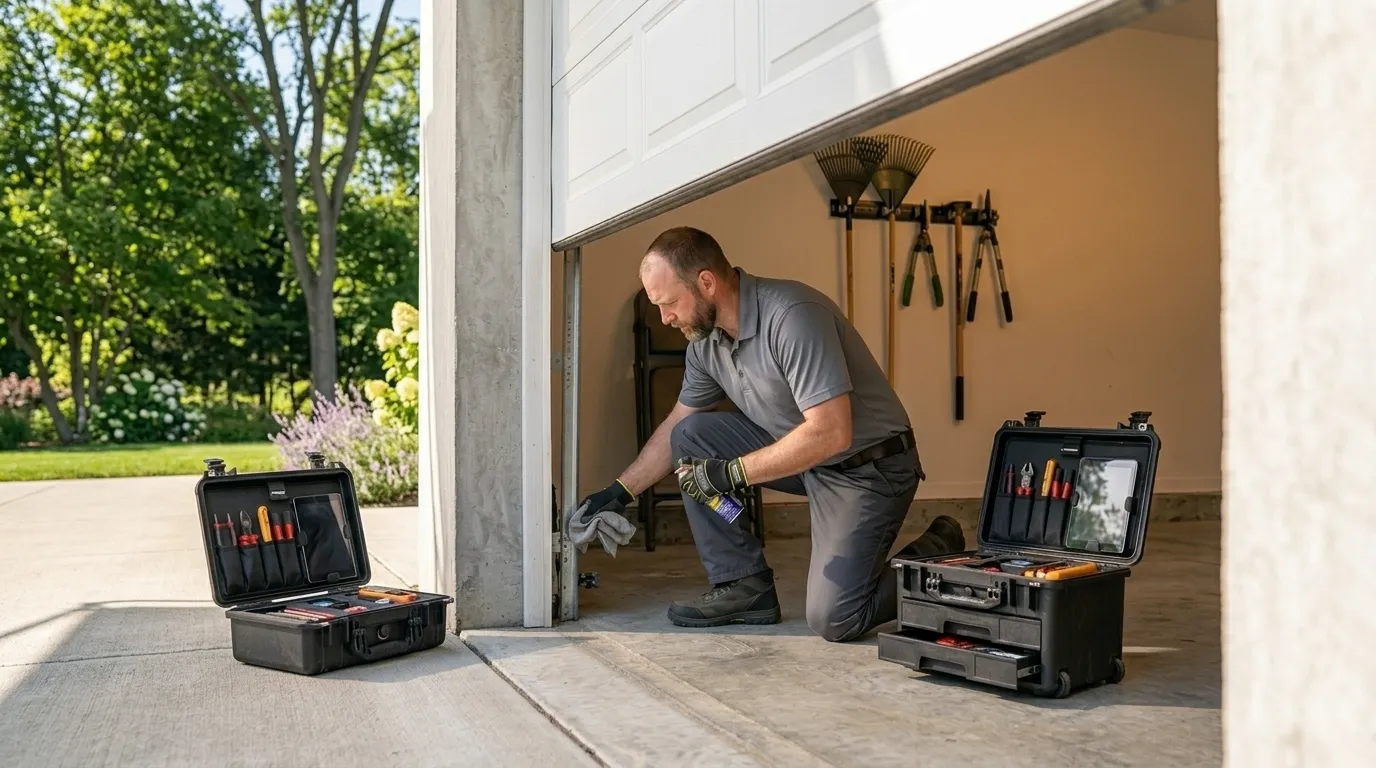
When a door built in that median-1980 window starts acting up, we're usually looking at one of three things: the spring has reached the end of its cycle life, the track has racked slightly from decades of seasonal contraction and expansion in a cold-moderate climate, or the panel seams have started to separate where insulation and steel meet. Springs and rollers are cheap and fast to swap regardless of the door's age - that repair is almost always worth doing. Track alignment is worth fixing if the frame itself is sound, which it usually is on a house from this era.
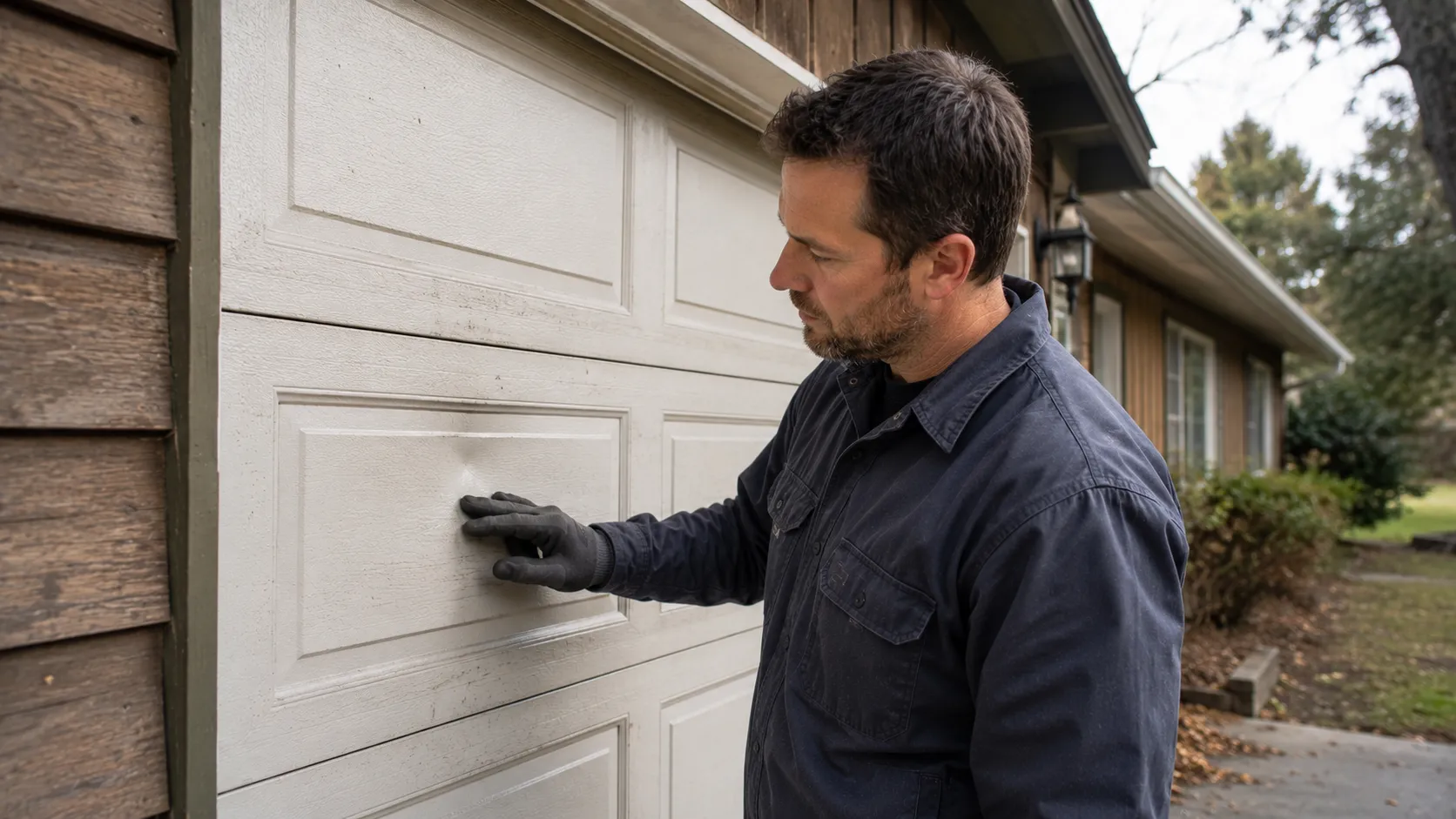
Where it stops being worth fixing is the panel itself: once insulation has broken down inside a steel-and-foam door from the 80s or 90s, or a seam has rusted through from the inside, no combination of new hardware fixes that. At that point you're paying repair labor on a door that's going to need replacing anyway within a year or two. The honest read is that hardware failures on a 1980s-90s door are almost always worth repairing.
A failing panel on the same door usually isn't.
Leaving It Alone
We won't tell you to replace a door that's still doing its job. If your spring, opener, and track are original to a house built in the 1980s or 90s and everything still operates smoothly with no rust through the panel, there's no reason to touch it before something actually breaks. One honest limitation: we don't stock replacement panels for every discontinued 1980s and 90s model, so if a single panel on an older door gets damaged, sometimes the practical fix is a new door rather than hunting for a matching panel that isn't made anymore.
That's not us pushing a sale - it's just what the parts situation on doors this age actually looks like. If your door is functioning and the hardware is sound, leave it alone and call when something changes.
How We Can Help
Garage Door Repair
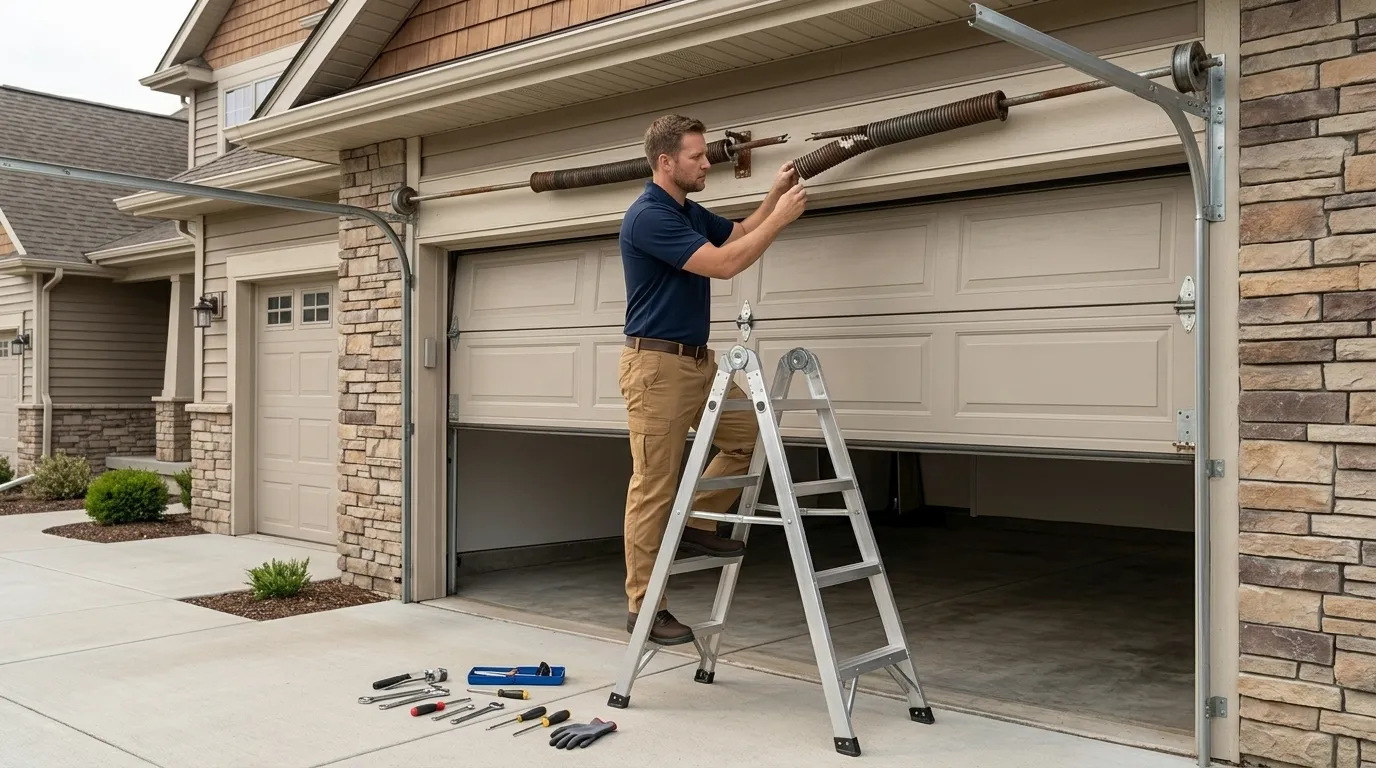
Springs, cables, tracks, rollers, and openers fixed by a tech who explains the problem before touching anything.
Learn more →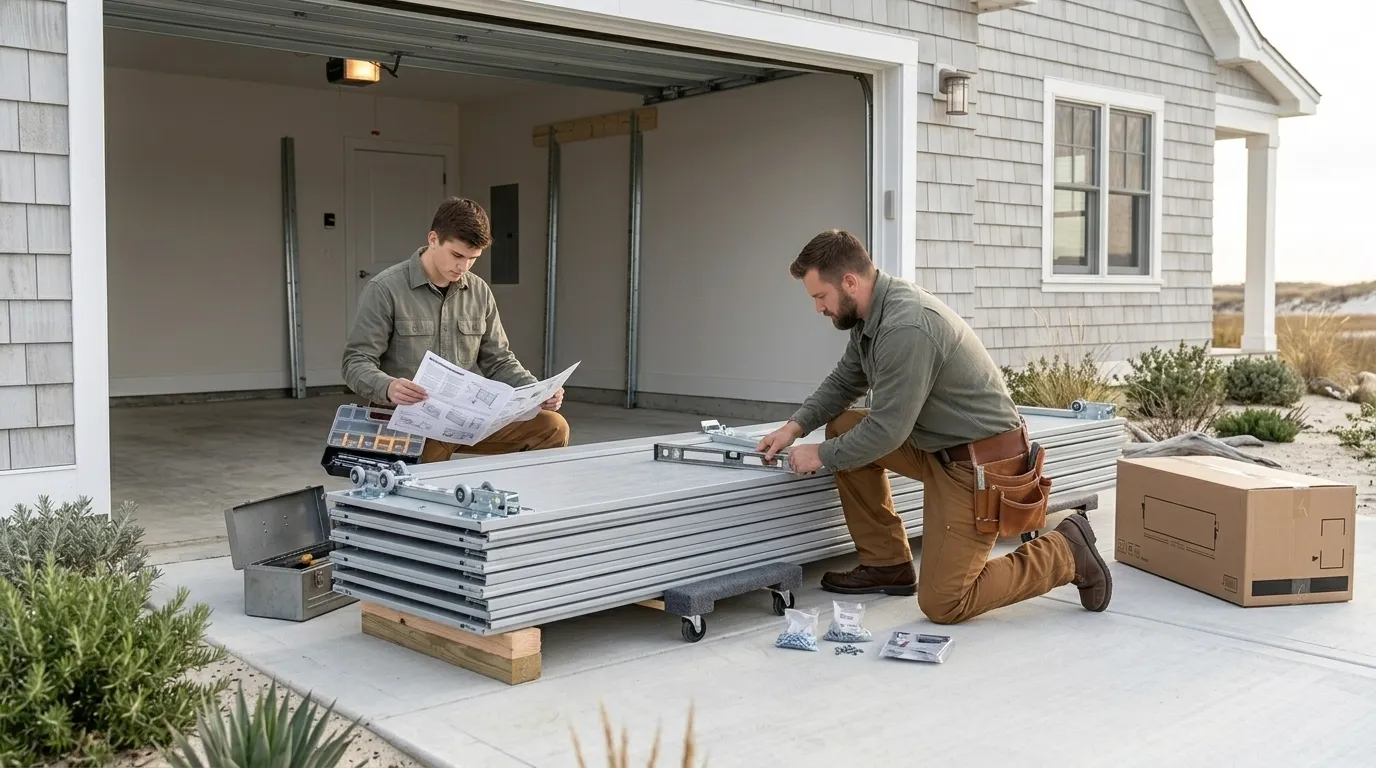
Garage Door Installation
New sectional doors sized and installed for the housing stock actually built in this area.
Learn more →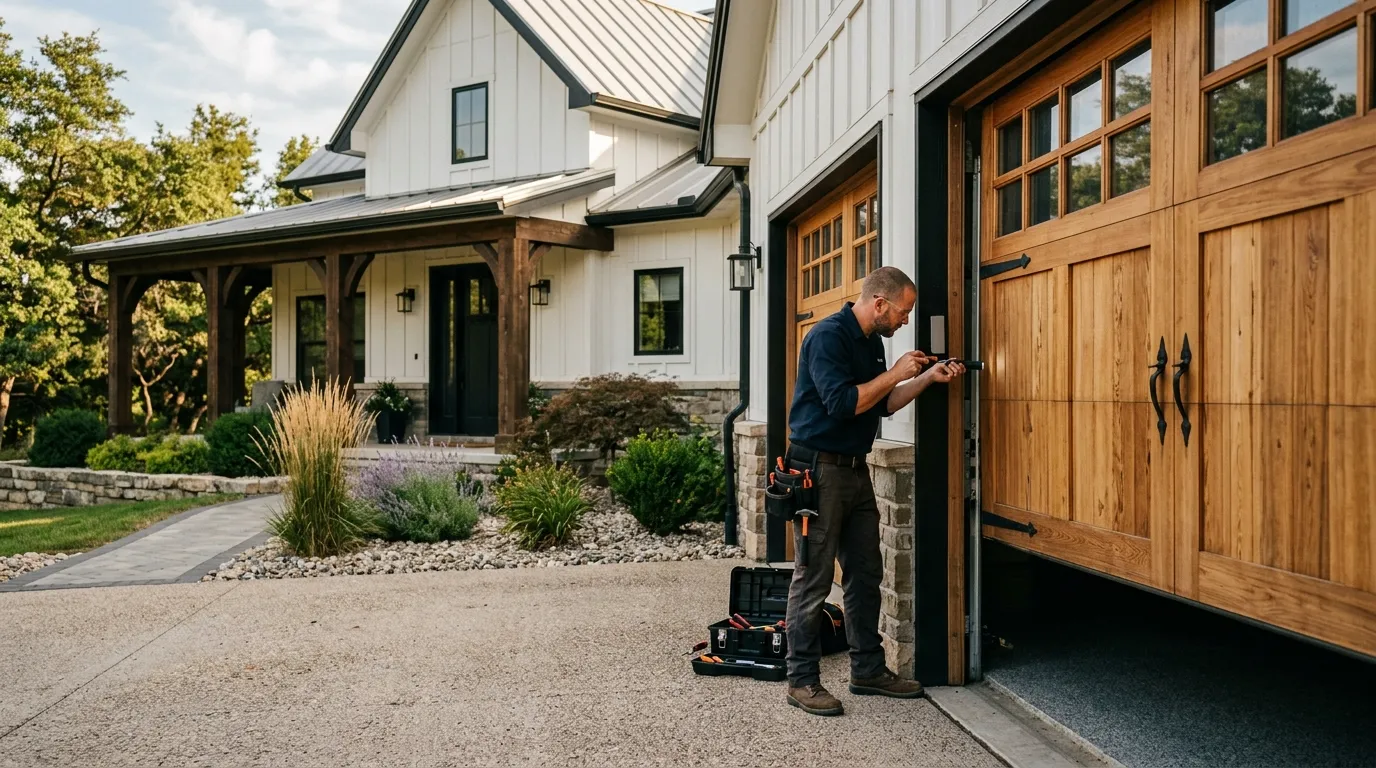
Garage Door Service
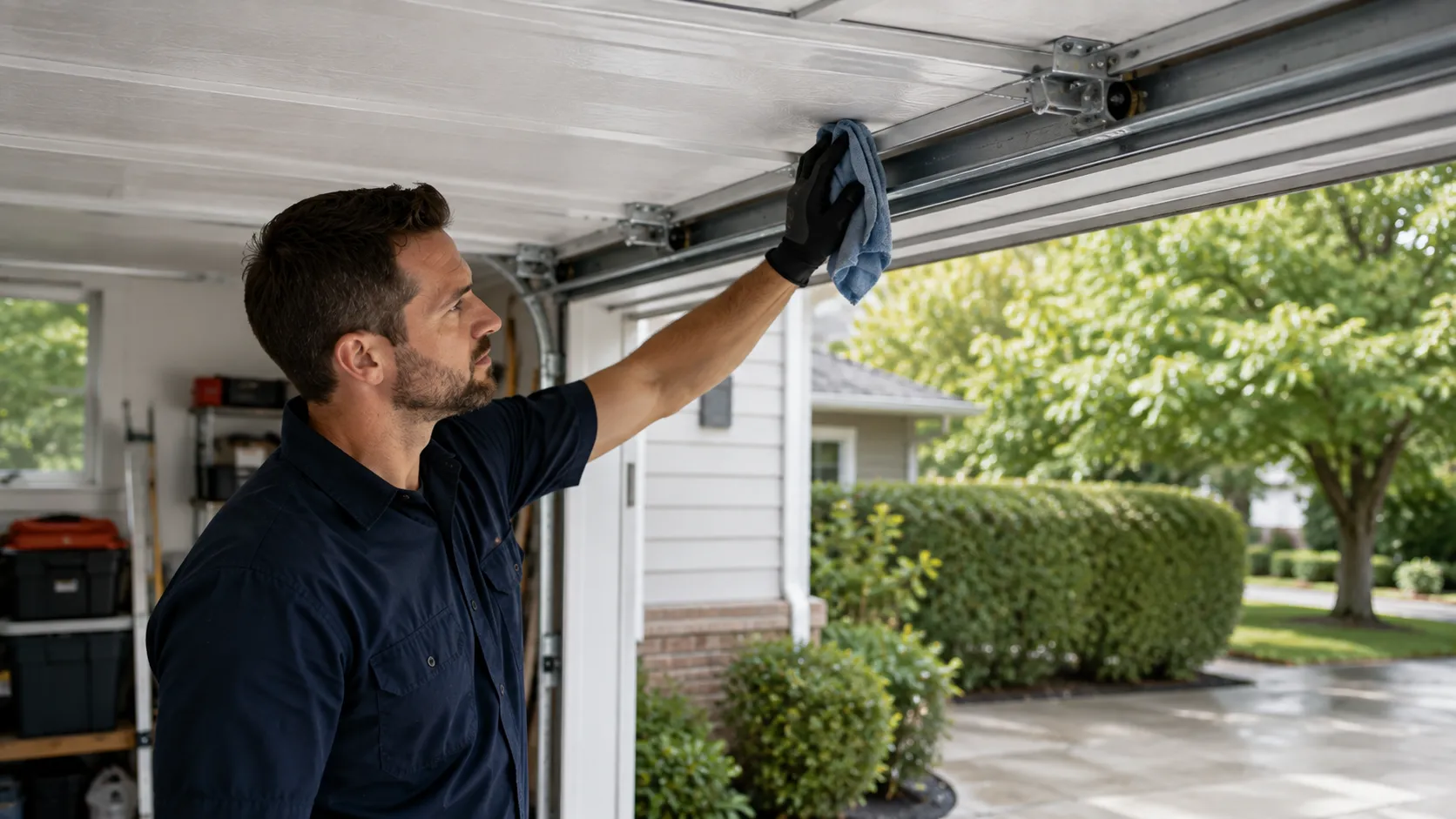
Tune-ups, lubrication, and safety checks that catch a small problem before it becomes a service call.
Learn more →Frequently Asked Questions
My garage door is original to my house built in the 1980s. Is it too old to repair?
Not necessarily. Age alone doesn't disqualify a door. What matters is which part failed. Springs, rollers, and tracks on an 80s or 90s door are almost always worth repairing on their own. It's a rotted panel or broken-down insulation that usually means replacement makes more sense.
Why did my spring break after so many years of no problems?
Torsion springs are rated for a set number of open-close cycles, and cold-moderate winters here add extra stress as metal contracts. A door from the median 1980s build era has usually put a spring through decades of seasonal swings, so a break at this point is normal wear, not a sign something else is wrong.
Can you match panels on an older door if just one gets damaged?
Sometimes, but not always. Many 1980s and 90s models are discontinued, and we don't carry matching panels for every one. If we can't source a match, replacing the full door is often more practical than patching one panel that won't look or seal right.
How do I know if it's the hardware or the door itself that's failing?
If the door binds, drags, or won't stay open, that's usually spring, track, or roller wear - fixable. If you see rust bubbling through the panel face or the door feels soft or bowed, that's the insulation and steel breaking down inside, which repair won't reverse.
Have a Door That Needs a Second Opinion?
Call and describe what it is doing - we will tell you what it likely is.