
Buffalo Grove Garage Door Guide
What Actually Happens on a Buffalo Grove Service Call
A look at what a real service call checks on Buffalo Grove garage doors, tied to the area's 1980s housing stock and cold-climate hardware wear.
- Licensed & Insured
- Same-Area Service Calls
- Upfront Pricing
How Local Conditions Play In
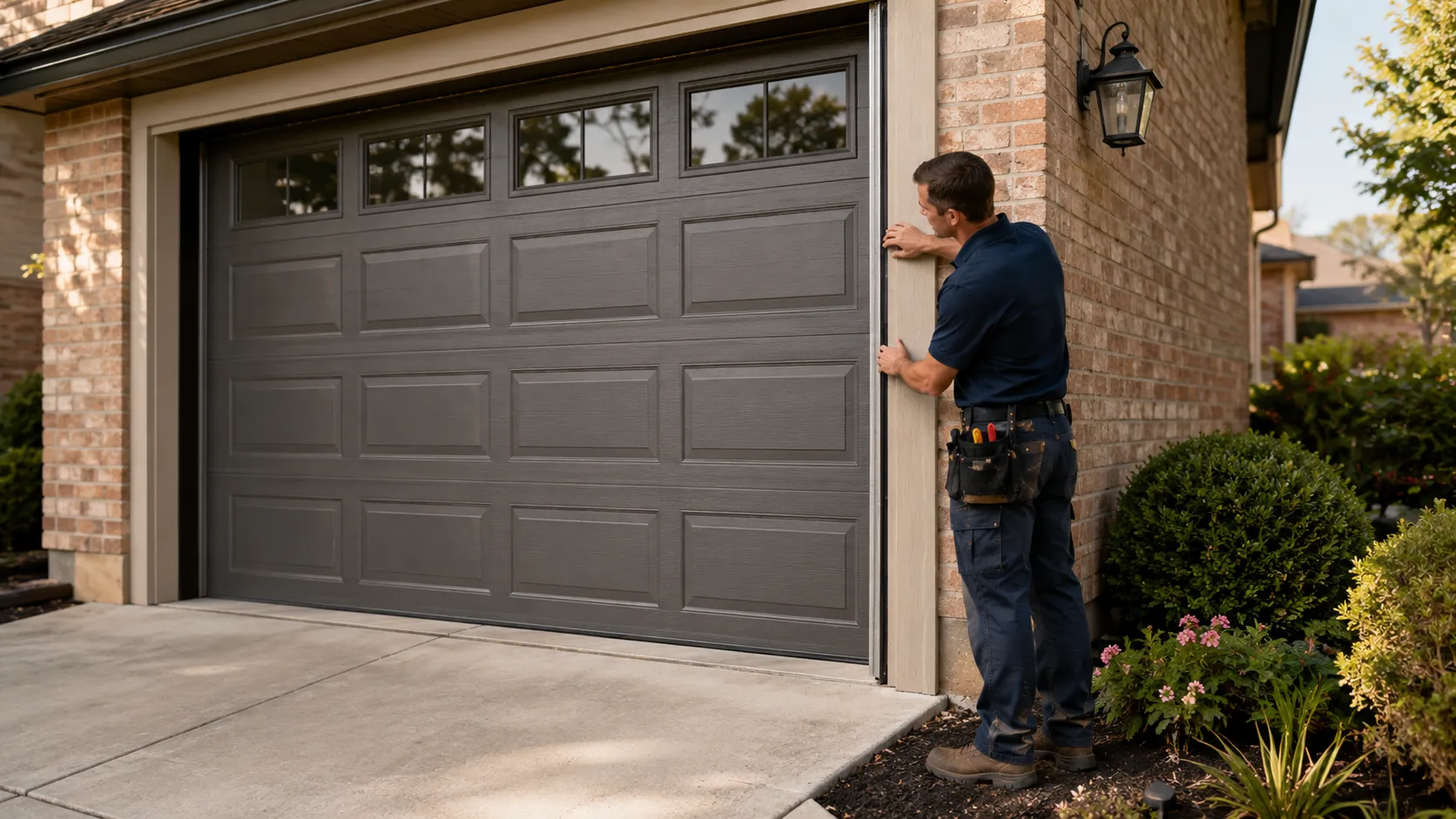
Most of the housing stock in this service area went up between 1938 and 2009, with the median build year landing around 1980, and the bulk of it clustered in that 1980s-90s wave across the 79 named subdivisions and areas we work in. That matters for a service call because a door built in 1985 doesn't have the same hardware as one built in 2015 - different spring winding, different track gauge, sometimes a torsion bar setup that newer techs don't expect to see. On top of that, we're in a cold moderate climate band, which means steel expands and contracts through the season and the grease in an original opener chain gets stiff by January.
A tech who doesn't check for both of those things is guessing. On a service call here, we're not just looking at whether the door goes up and down - we're checking whether the hardware matches the era of the house and whether it's held up through however many winters it's seen. That's the starting point for every diagnosis, not an afterthought.
What Most People Get Wrong
The most common mistake is assuming a noisy or slow door means the opener is dying. In a house from the 1980s-90s window that makes up most of this area's stock, the opener is often fine - it's the rollers, the hinges, or a spring that's lost tension after three decades of temperature swings. People also assume a service call is just a quick look and a squirt of WD-40.
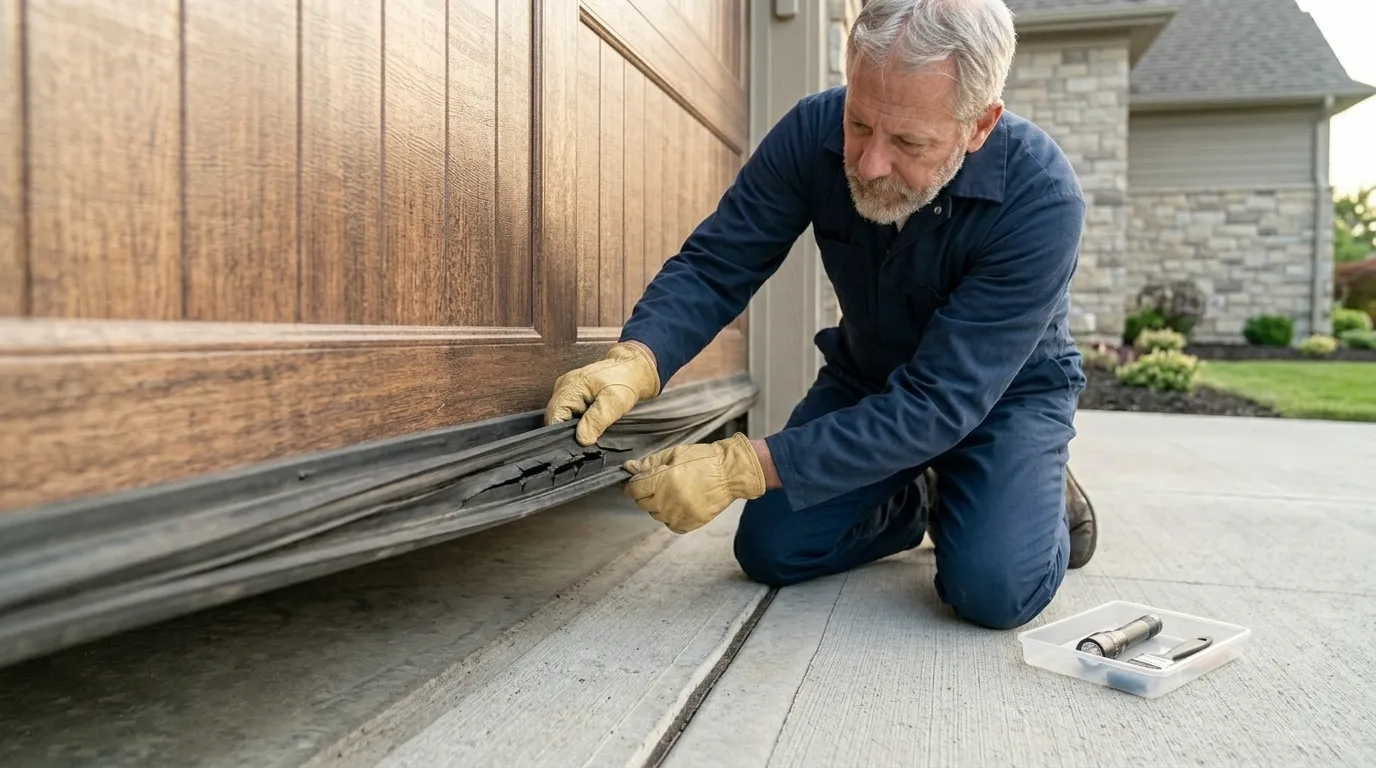
It isn't, or shouldn't be. A real check walks the whole system: springs, cables, rollers, track alignment, opener force settings, and the weatherstripping at the bottom panel, which takes a beating in a cold moderate climate where ice and thaw cycles work at the seal every winter. The other thing people get wrong is timing repairs to symptoms instead of age.
A door built decades ago that's never had the springs replaced is closer to failure than the noise level suggests. We tell people what we see, not what's convenient to sell - sometimes that means a $40 roller job, sometimes it means the spring's due regardless of how it sounds today.
What Is Going On
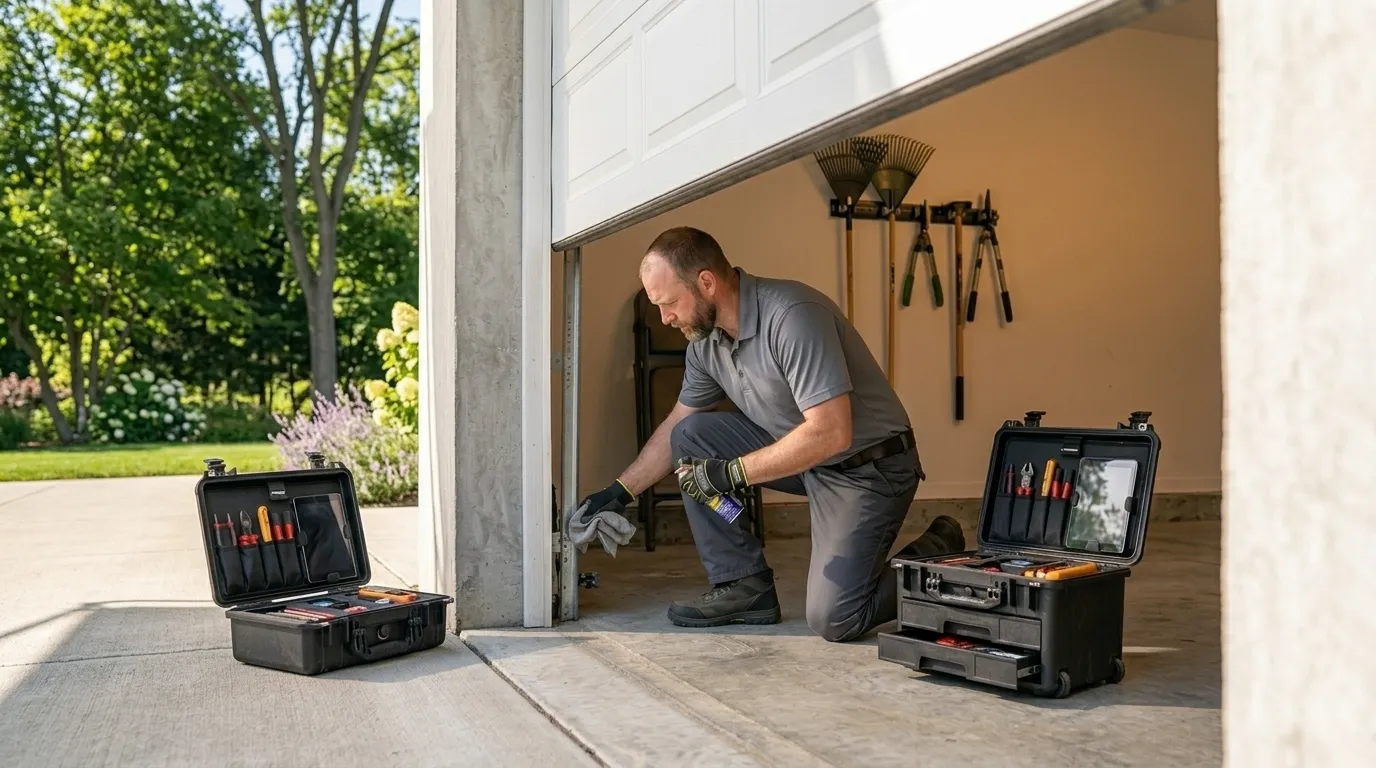
On a typical call, we're diagnosing against the age of the house, not just the door in front of us. Given the median build year sits around 1980 across this service area, a lot of doors are original or on their second opener, with hardware that was standard for that decade - often lighter-gauge track and springs rated for less cycling than what's installed today. Add in the cold moderate climate here, and the failure pattern is predictable: springs lose tension faster in the cold, nylon rollers crack, and steel tracks that were never quite plumb start binding once the ground shifts with frost.
We check spring wind count and cable wear first, because those are the parts that fail suddenly and can hurt someone. Then we look at the track and opener force setting, since a door fighting cold-stiffened hardware puts more strain on the opener motor than it was built for. None of this is exotic - it's the direct result of a decades-old door meeting a real Midwest winter, year after year.
Leaving It Alone
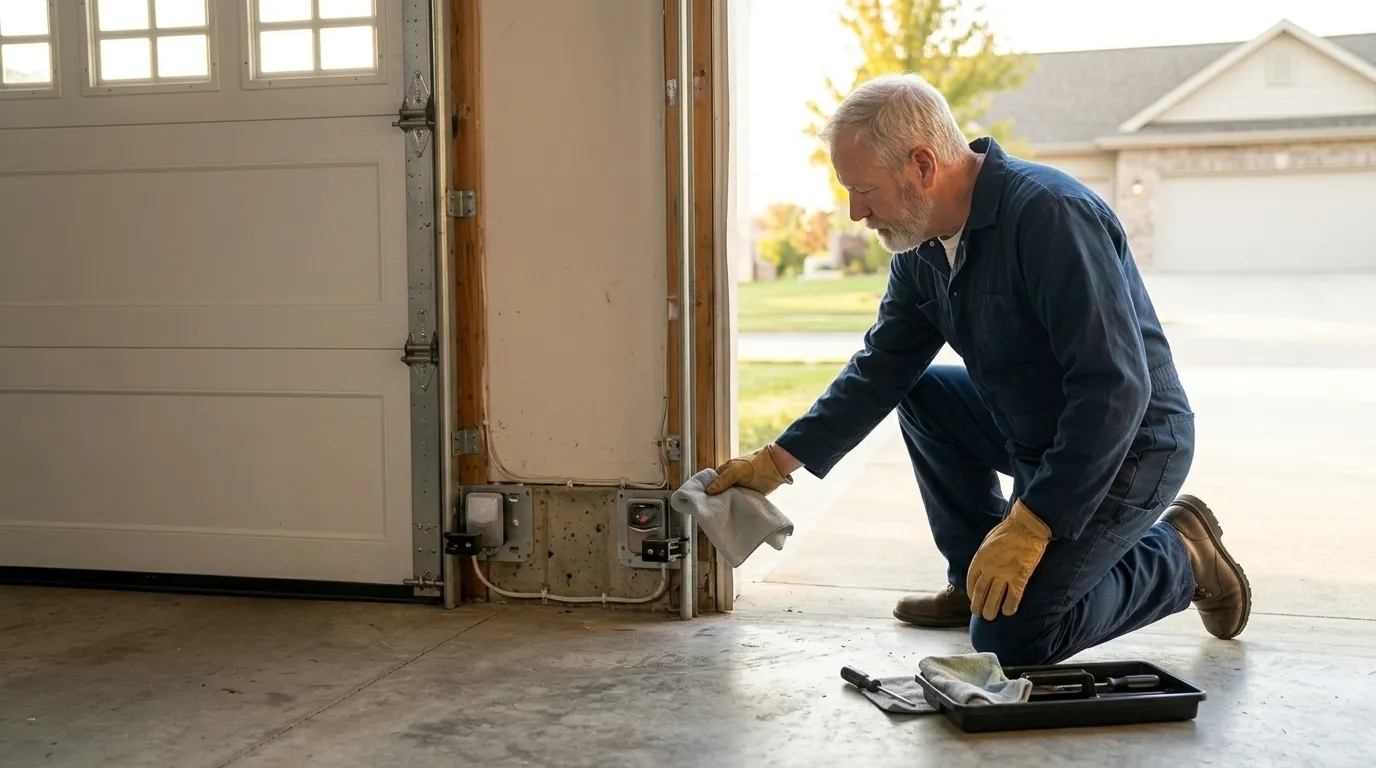
Not every issue needs a same-day fix. If a door from the 1980s-90s stock common in this area is still cycling smoothly and the only complaint is some noise, we'll often say to keep an eye on it rather than replace parts that aren't failing yet. The honest limitation here: we don't push full door replacement just because a house is older.
A lot of the doors built in that 1938-2009 window are structurally sound and just need a spring, a set of rollers, or a track adjustment - replacement only makes sense when the panels themselves are rusted through or the door's been hit hard enough to bend the frame. Where we don't hold back is on springs and cables, because those parts fail without warning and a cold moderate climate accelerates that timeline. If you're unsure whether your door needs a call now or can wait until spring, that's a fair question to ask before anything gets scheduled.
How We Can Help
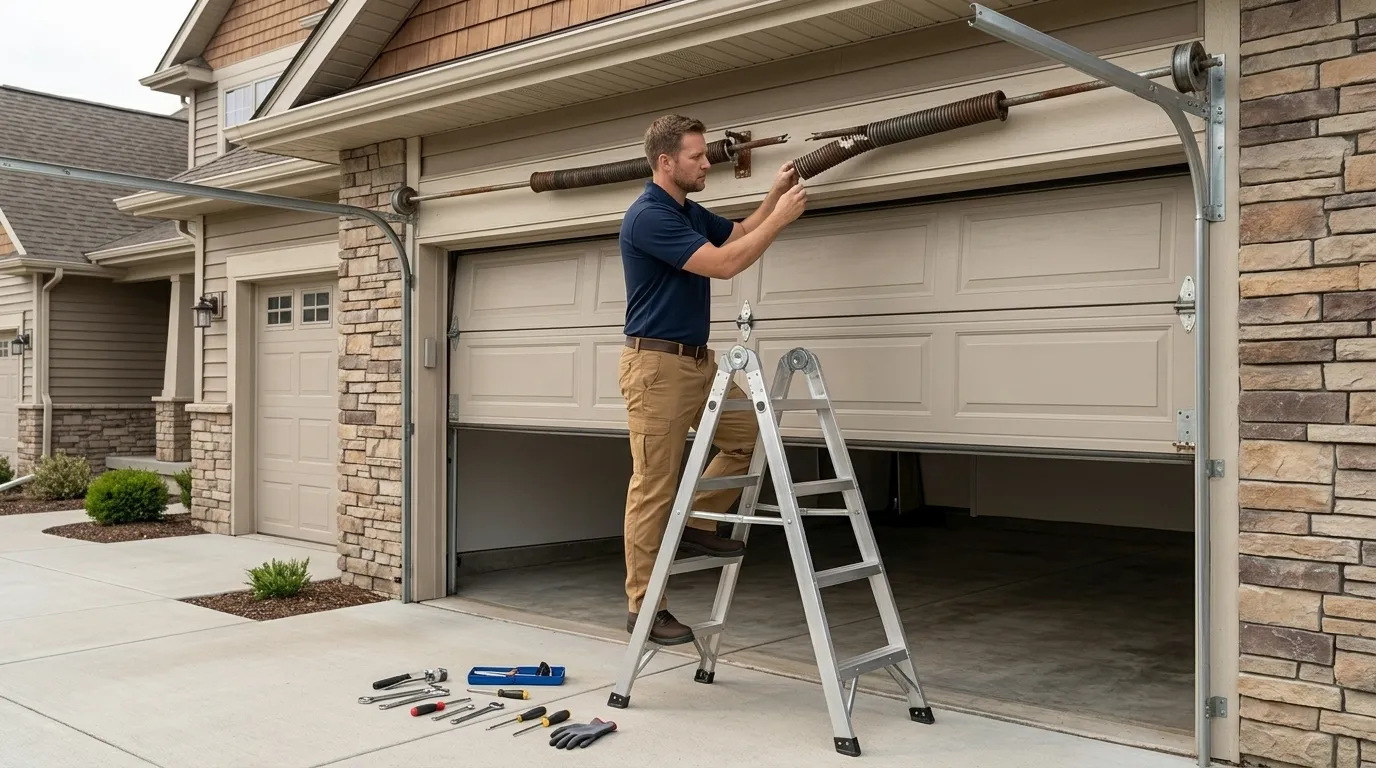
Garage Door Repair
Springs, cables, tracks, rollers, and openers fixed by a tech who explains the problem before touching anything.
Learn more →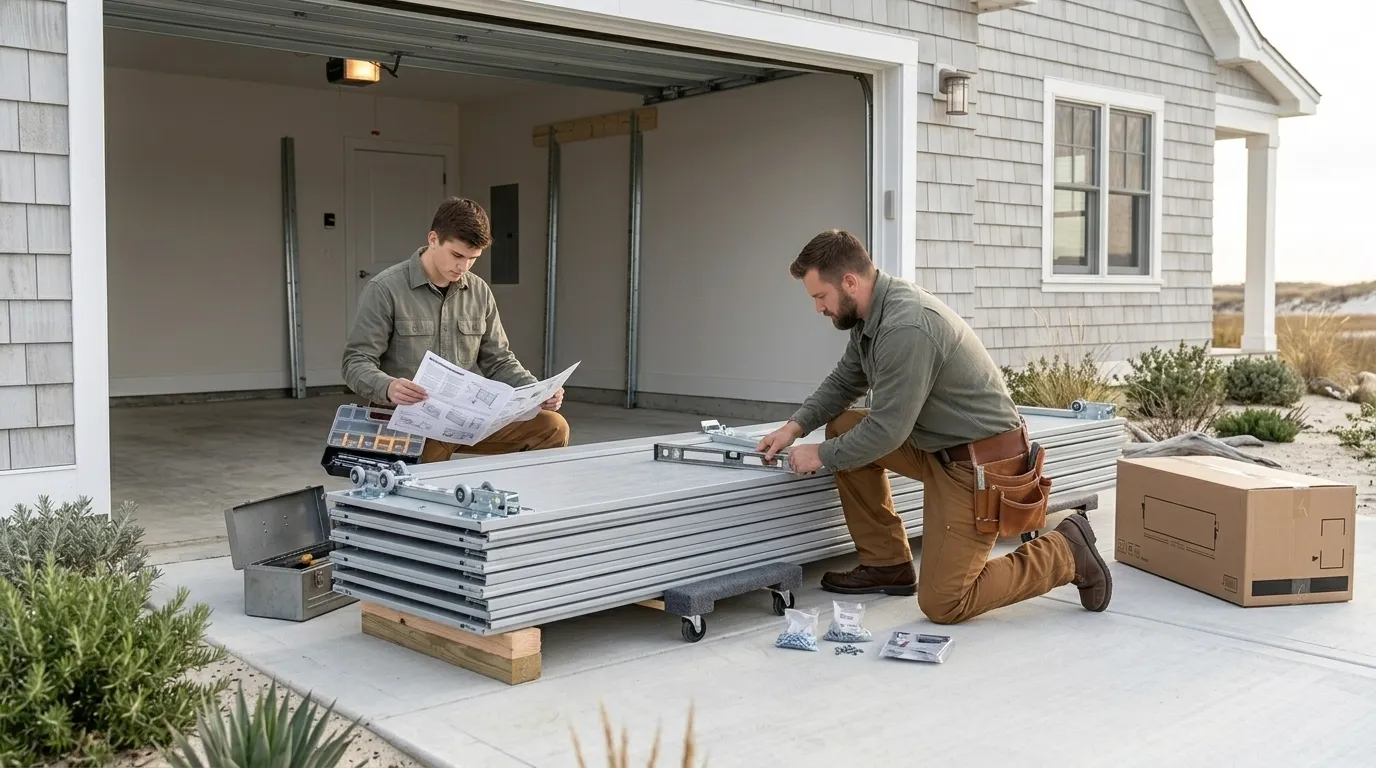
Garage Door Installation
New sectional doors sized and installed for the housing stock actually built in this area.
Learn more →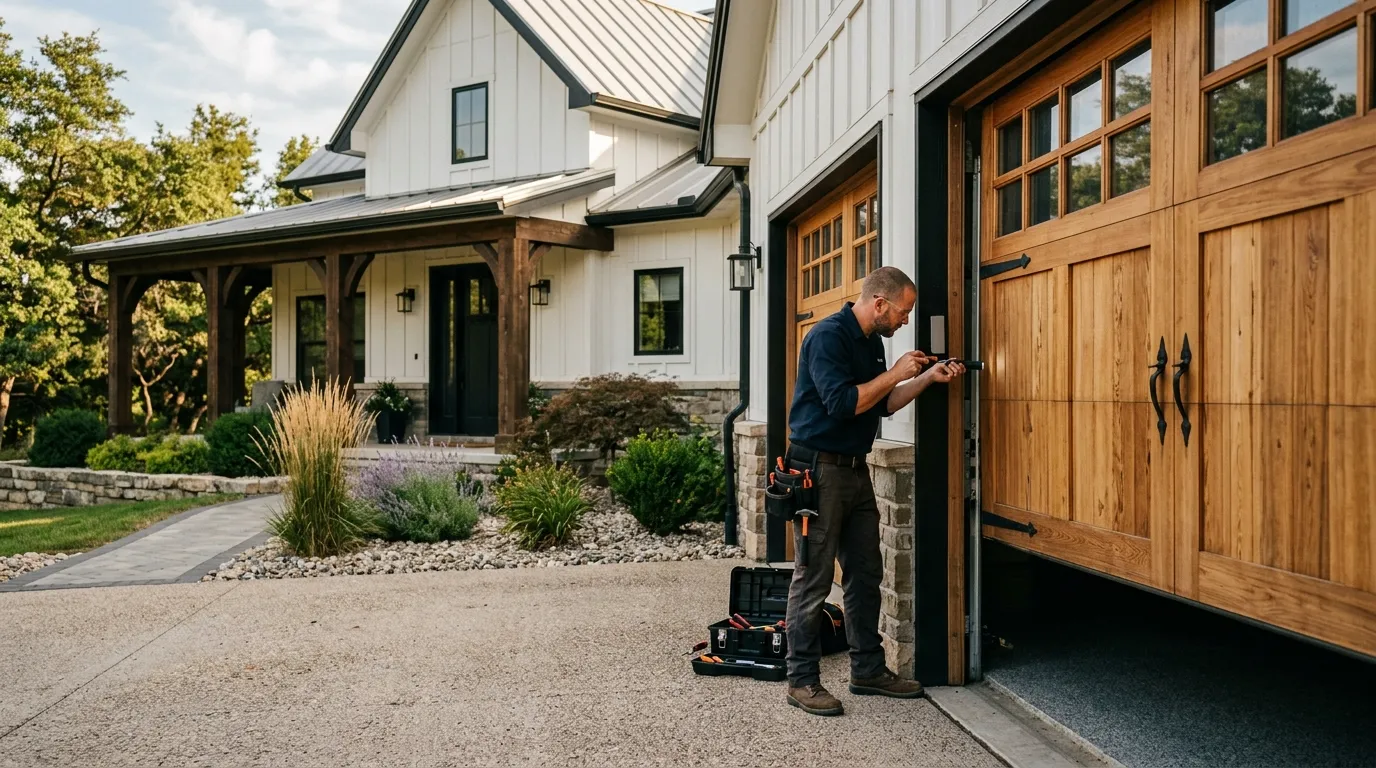
Garage Door Service
Tune-ups, lubrication, and safety checks that catch a small problem before it becomes a service call.
Learn more →Frequently Asked Questions
How often should a garage door get serviced in Buffalo Grove?
There's no fixed rule, but given the cold moderate climate here and the number of doors still running original hardware from the 1980s-90s building wave, a yearly check before winter catches most spring and roller issues before they turn into a stuck door on a cold morning.
Does the age of my house affect what a service call finds?
Yes. Housing in this service area was mostly built between 1938 and 2009, with the median around 1980, so a service call on an older door often means checking spring wind counts and track gauges that newer doors don't use at all.
Is a noisy door always an opener problem?
Not usually. On doors from the common 1980s-90s stock in this area, noise is more often rollers, hinges, or a track slightly out of alignment after years of cold-weather expansion and contraction, not the opener itself.
Will you tell me if my door doesn't need replacing?
Yes. A lot of doors built decades ago in this area are structurally fine and just need a spring or roller job. We don't recommend full replacement unless the panels or frame are actually damaged.
Have a Door That Needs a Second Opinion?
Call and describe what it is doing - we will tell you what it likely is.