
Buffalo Grove Garage Door Guide
What We Check First on a Buffalo Grove Service Call
A look at what our techs check first on Buffalo Grove calls, tied to the area's 1938-2009 housing stock and cold-climate wear patterns on doors and openers.
- Licensed & Insured
- Same-Area Service Calls
- Upfront Pricing
How Local Conditions Play In
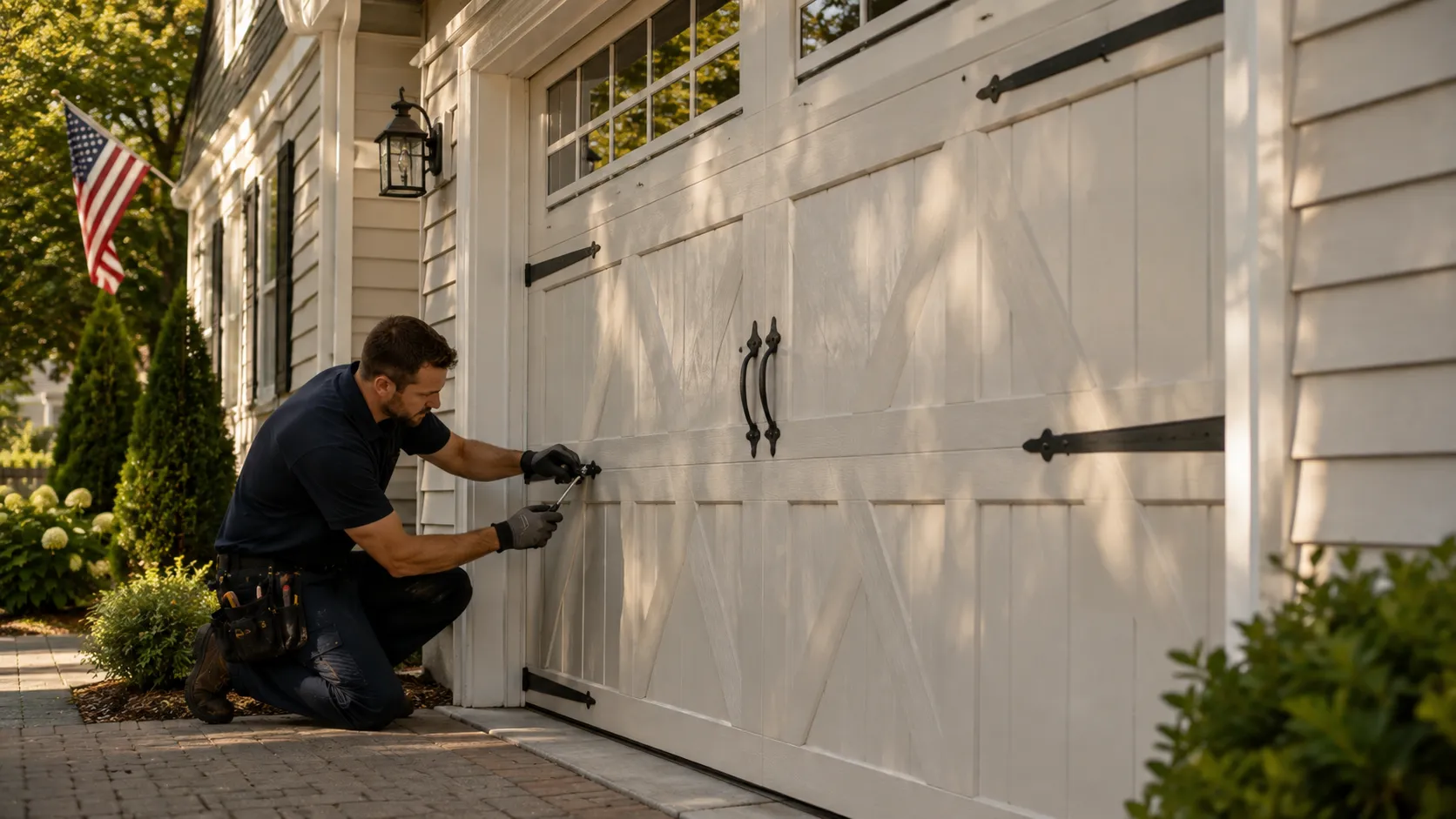
Buffalo Grove sits in a cold-moderate climate band, and that shapes the order we work in before we ever touch a wrench. A door that's fine in July can bind hard in January once the steel track contracts and the grease in the rollers stiffens up. So the first thing a tech does on any call here is check ambient temperature against the last service date - if a door hasn't been lubricated since fall, that's often the whole complaint right there.
Torsion springs also lose a little tension as the metal cools, which on an older spring that's already fatigued can be the difference between a door that's slow and a door that's stuck. We check the track alignment next, because seasonal slab movement under a garage floor is common across this area's housing stock, and a track that was square in August can be a hair off by winter. None of this is dramatic - it's just the order that makes sense when the weather actually swings the way it does here, instead of starting with parts that are less likely to be the cause.
What Most People Get Wrong
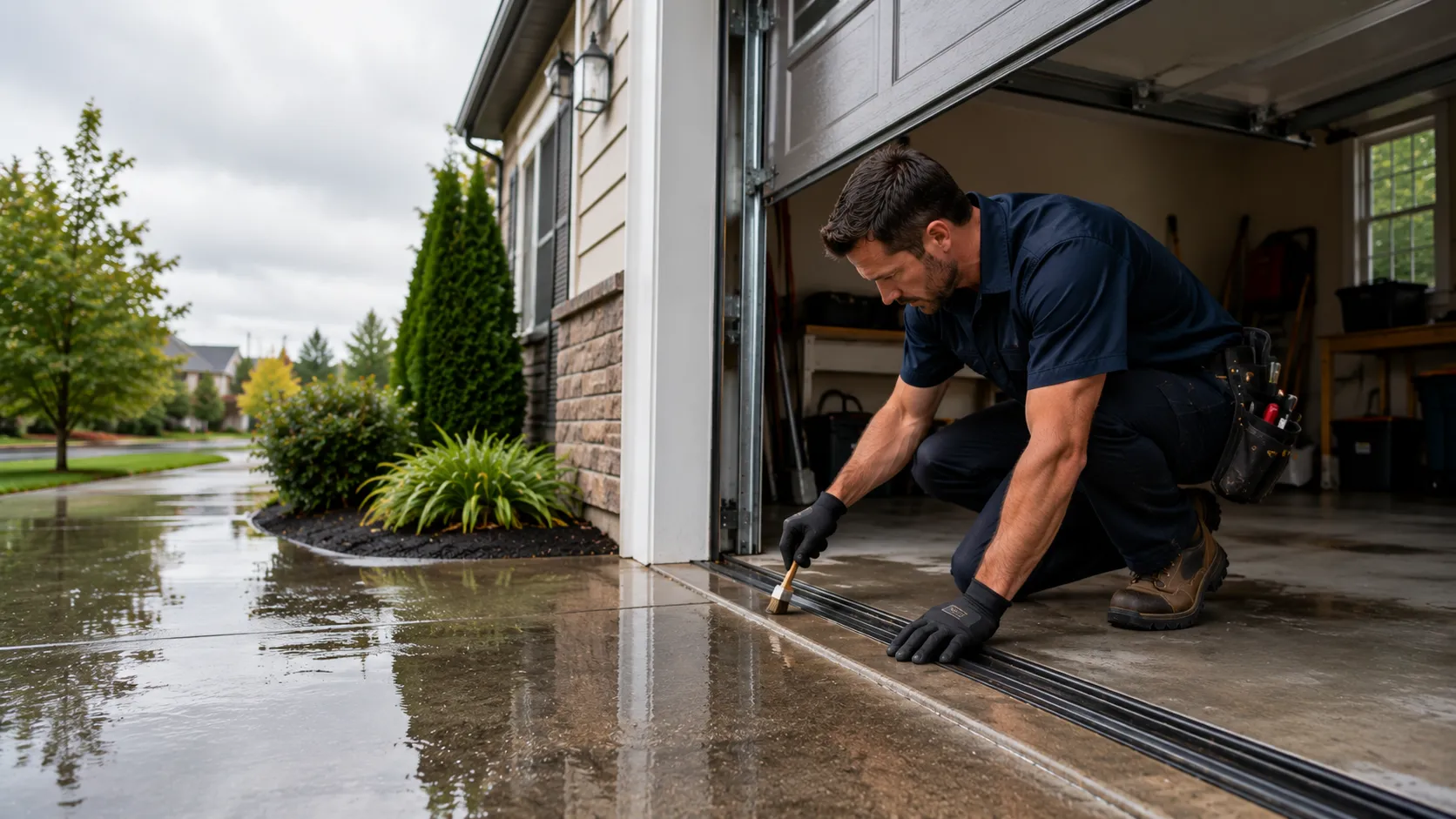
Most people call about the opener first, because that's the part that makes noise or refuses to respond. But on the housing stock we see around Buffalo Grove - built anywhere from 1938 through 2009, with most of it dating to the 1980s and 90s - the opener is rarely the actual problem. It's usually the spring, the cable, or hardware that's original to a house now several decades old.
A tech who starts by reprogramming the opener on a house from that era is wasting the homeowner's time and money. We start at the door itself: spring wear, cable fraying, and roller condition, because those wear out on a schedule that has nothing to do with the opener's age. The other common mistake is assuming a slow-closing door needs a whole new unit.
Across the 1980s-90s stock that makes up most of this area, a slow door is far more often a spring that's lost tension than a motor that's failing - and that's a cheaper, faster fix when it's caught early.
What Is Going On
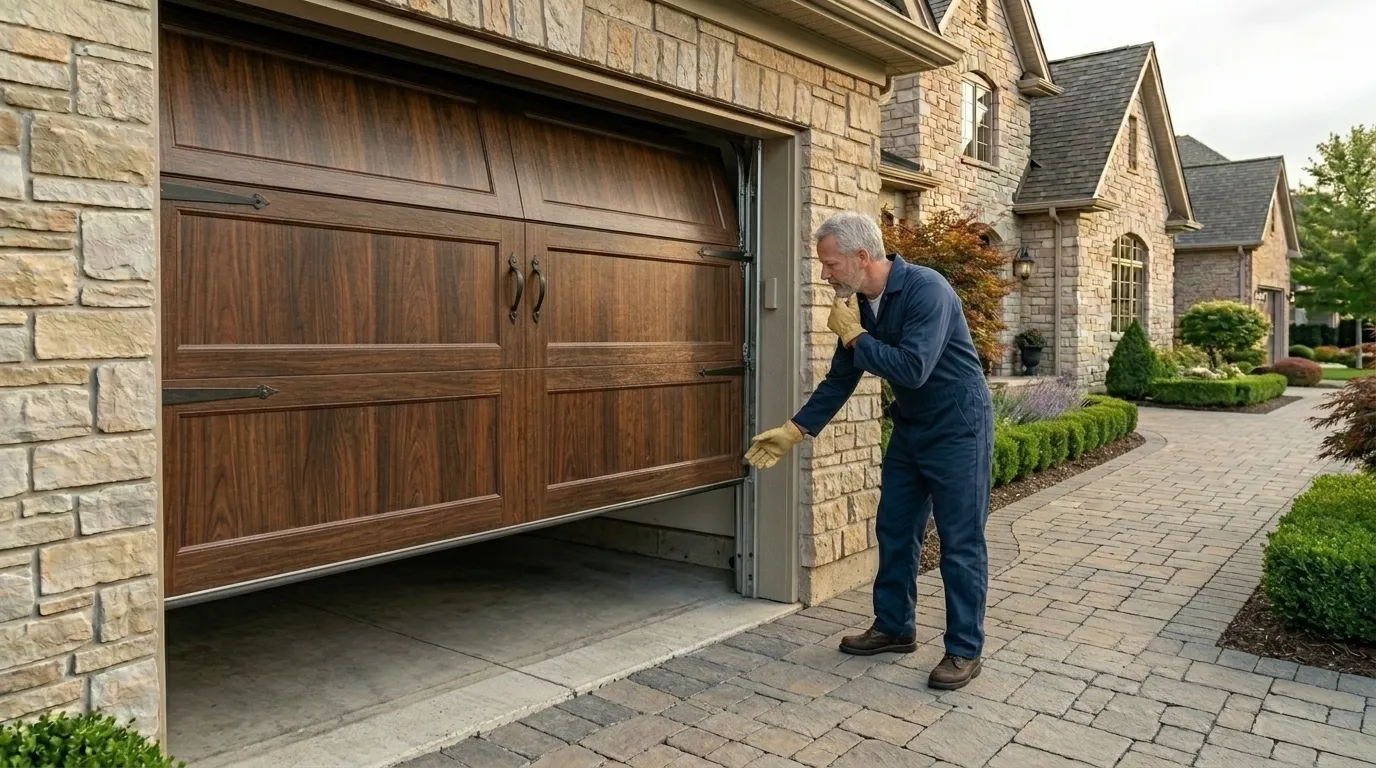
Once we're inside the garage, the check runs in a specific order. First: spring tension, by hand, not by opener behavior - opener sensors can mask a spring that's most of the way gone. Second: cable condition at the drum, since fraying there shows up before it shows up anywhere visible.
Third: track and hinge alignment, checking for the kind of seasonal shift common to older slabs in a cold-moderate climate. Fourth: rollers, because in houses built before the 1990s the original hardware is often still on the door, and steel rollers on 30-plus-year-old brackets wear unevenly rather than failing all at once. Fifth, and last, the opener itself - the gears, the limit settings, the sensor alignment - because by the time we get there we usually already know whether the opener is even the right thing to be looking at.
This order isn't arbitrary. It's built around what actually breaks first on the age and type of doors that are common in this area, not a generic checklist.
Leaving It Alone
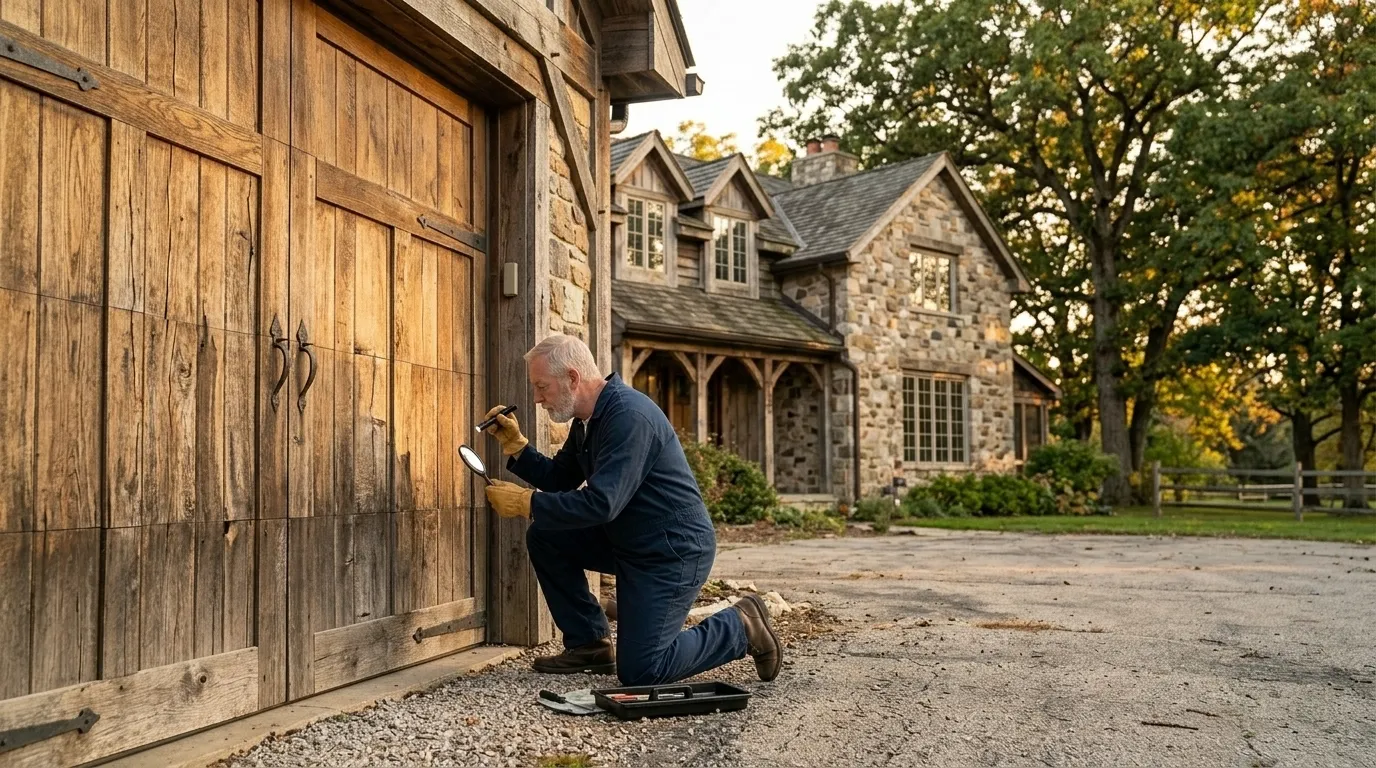
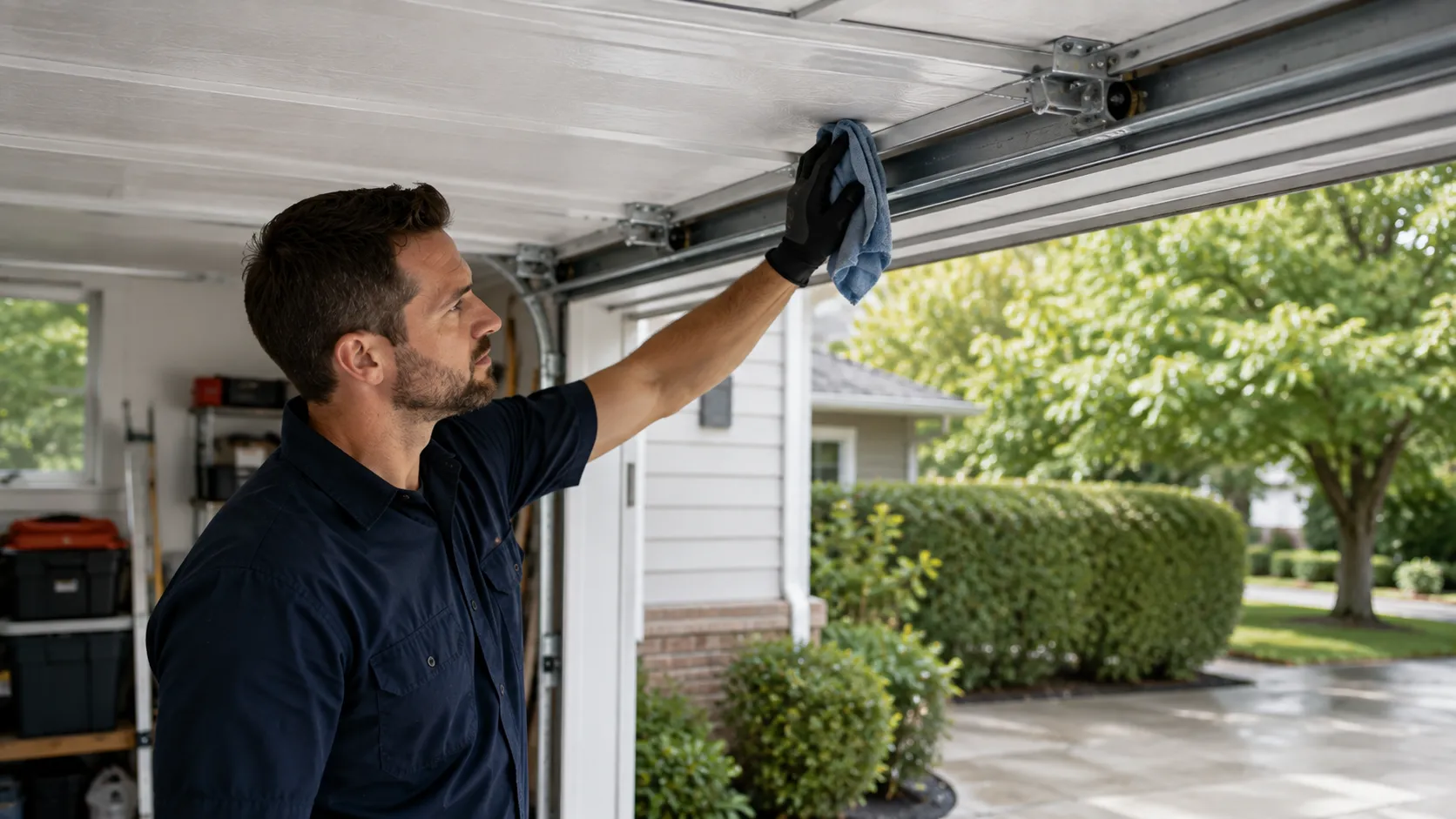
Not every noise or hesitation means something needs replacing, and we'll say that on the call, not just here. A door that groans on a cold morning but runs fine once the garage warms up is usually just doing what steel and grease do in this climate - it doesn't need a new spring, it needs lubrication before winter sets in. Where we draw the line: if a spring is original to a house from the earlier end of that 1938-2009 range, we won't patch around it just to avoid a bigger bill, because a spring that old is close to failing outright and a partial fix isn't worth the risk.
Our honest limitation is that we don't stock every hardware size for the oldest doors in this area - some of that original 20th-century hardware takes longer to source, and we'll tell you that up front rather than promise a same-day fix we can't back. Sometimes the right answer really is to leave it alone until the part arrives.
How We Can Help
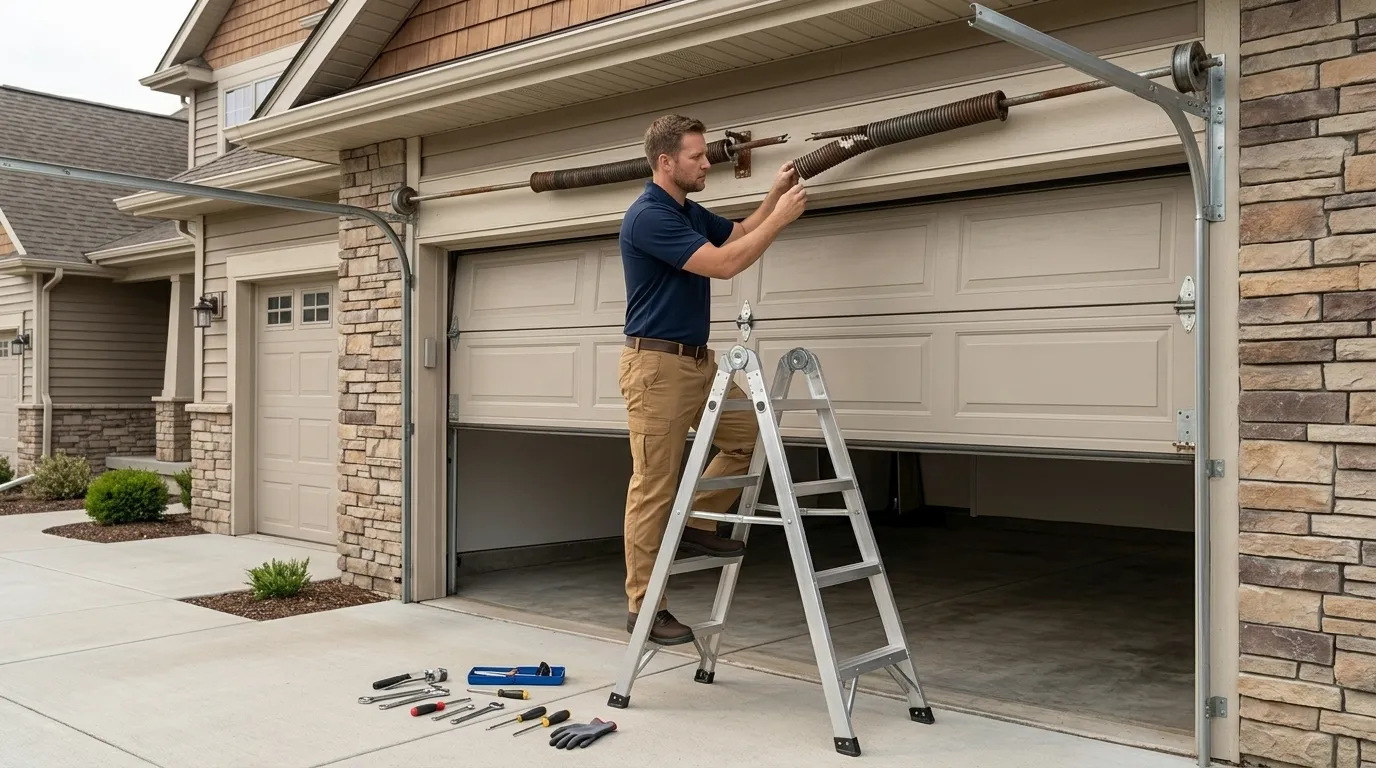
Garage Door Repair
Springs, cables, tracks, rollers, and openers fixed by a tech who explains the problem before touching anything.
Learn more →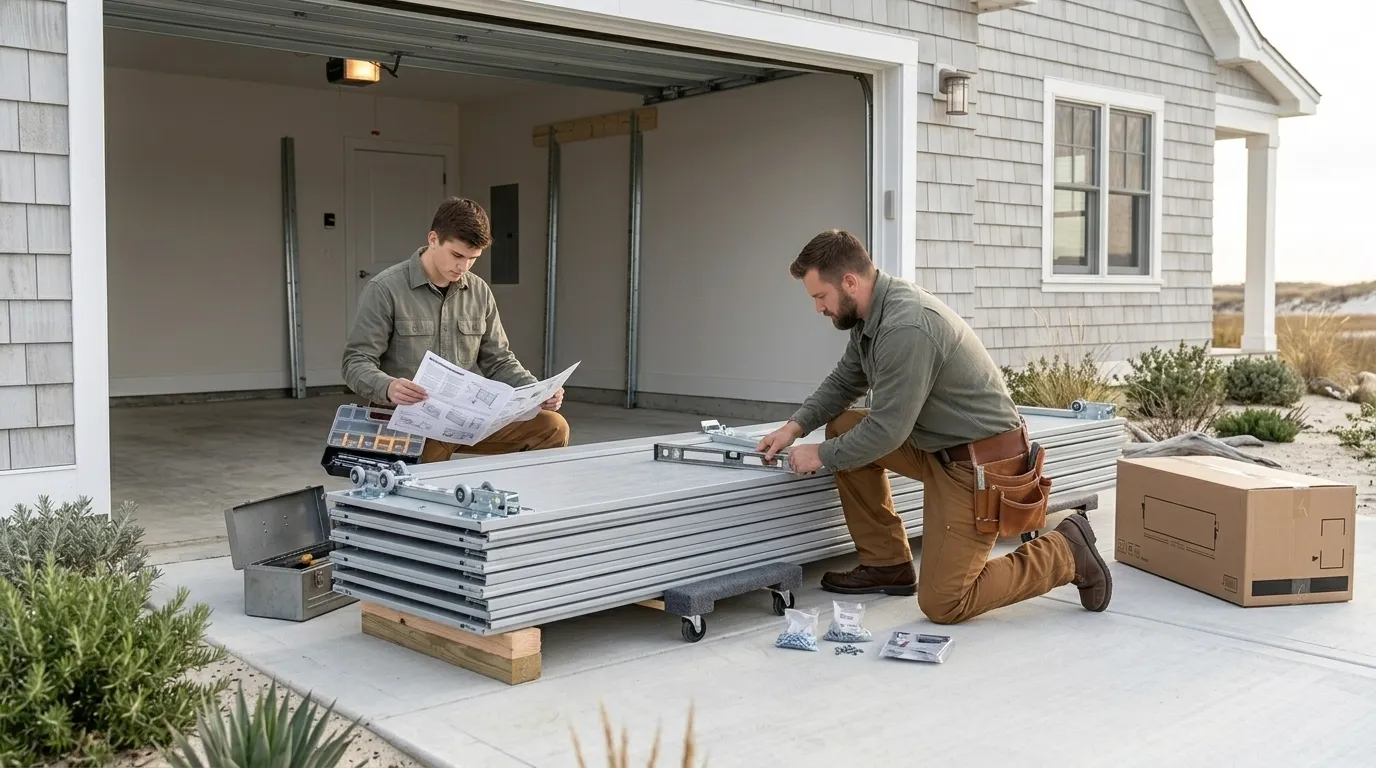
Garage Door Installation
New sectional doors sized and installed for the housing stock actually built in this area.
Learn more →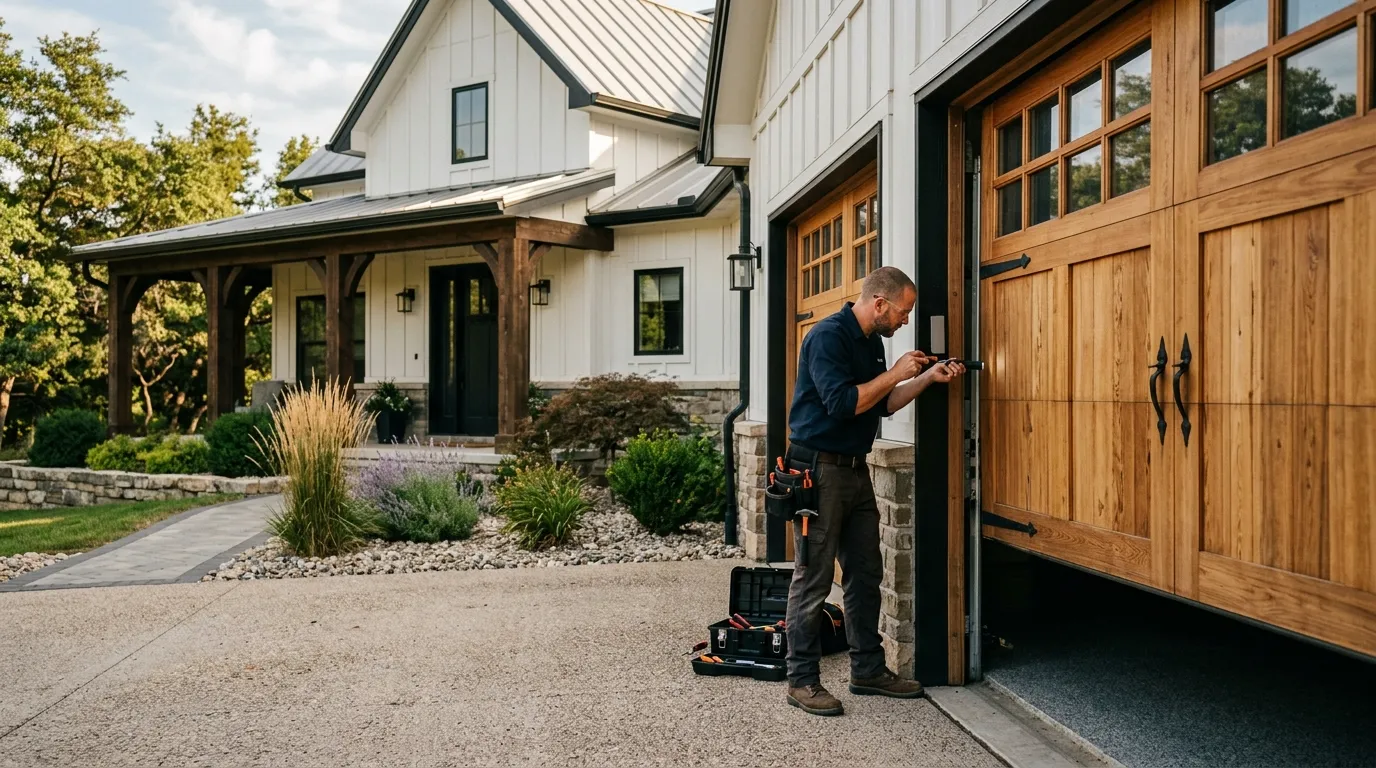
Garage Door Service
Tune-ups, lubrication, and safety checks that catch a small problem before it becomes a service call.
Learn more →Frequently Asked Questions
Why does my garage door get harder to open in the winter?
In this climate band, cold makes torsion springs lose a bit of tension and stiffens the grease in the rollers and track, so a door that's already worn shows it more in January. It's rarely a new problem - it's an existing one made more obvious by temperature.
My house is from the 1980s - does the door hardware matter for repairs?
Yes. Most homes in this area date to the 1980s or 90s, and original spring and roller hardware from that era is often still in place. A tech checks that hardware specifically, since it wears differently than anything installed in the last ten years.
Do you always recommend replacing the opener when it's slow?
No. On the housing stock common here, a slow-closing door is more often a spring losing tension than an opener failing. We check the spring and cables before touching the opener, since replacing it first often doesn't fix anything.
Is it ever okay to just wait on a repair?
Sometimes. A door that only struggles on the coldest mornings but runs normally once it warms up may just need lubrication before the season, not a part replacement. We'll tell you plainly if that's the case rather than push an unnecessary job.
Have a Door That Needs a Second Opinion?
Call and describe what it is doing - we will tell you what it likely is.