
Buffalo Grove Garage Door Guide
Why Safety Sensors Drift on Buffalo Grove Garage Doors
Buffalo Grove homes from the 1970s-90s boom see sensor drift from slab settling and cold-season concrete shift. Here's why, and what to do about it.
- Licensed & Insured
- Same-Area Service Calls
- Upfront Pricing
How Local Conditions Play In
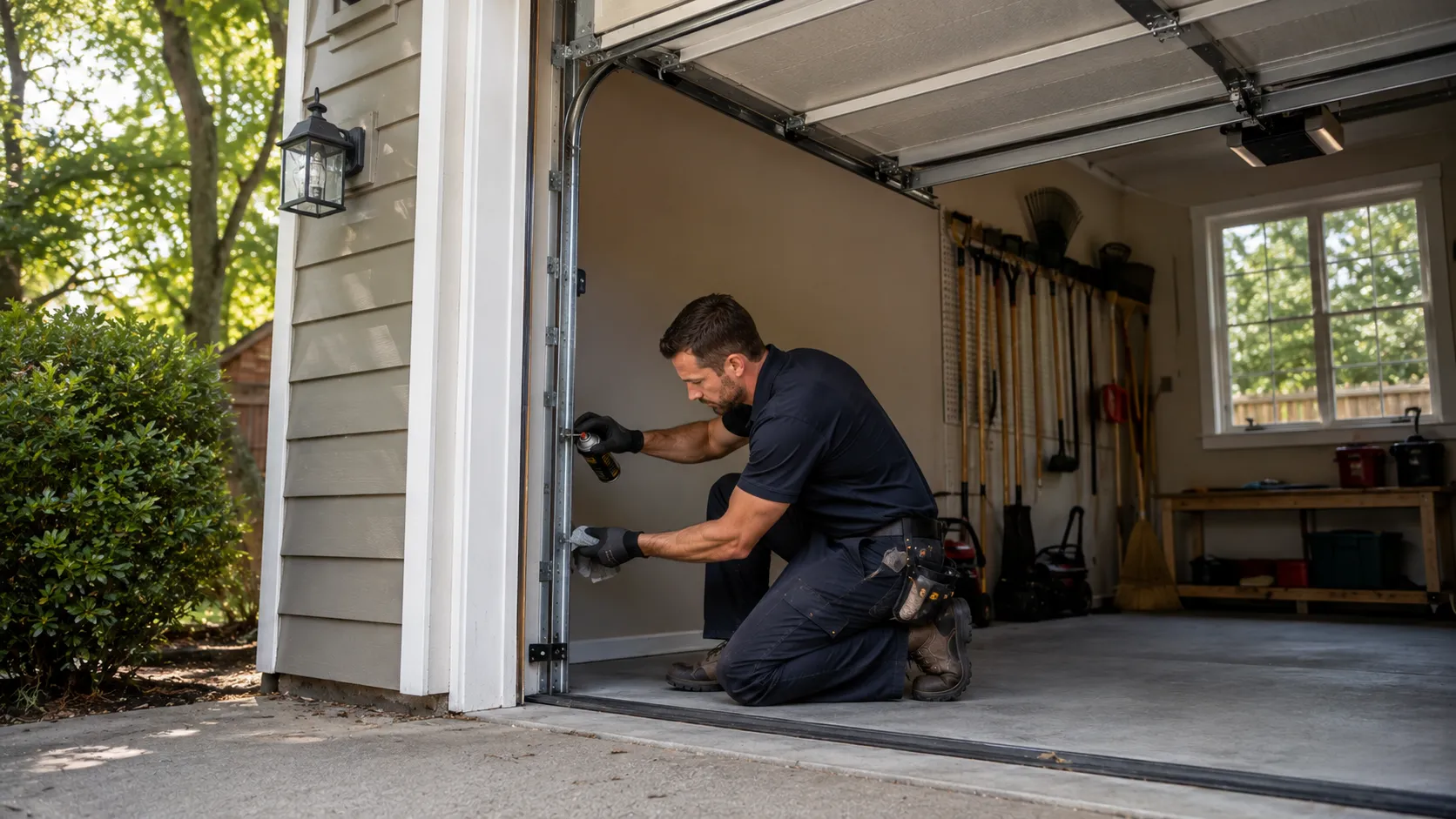
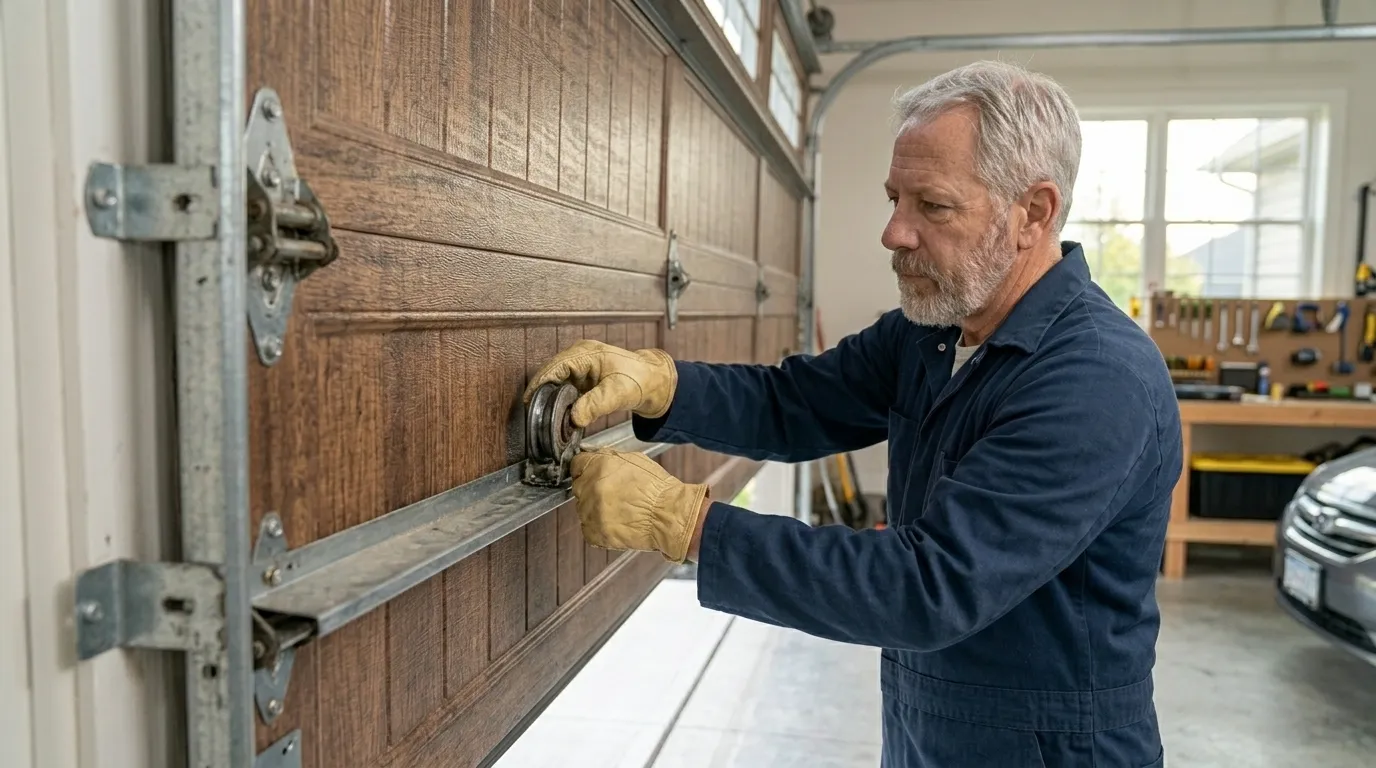
Most of the garage floors in this part of the county went in between 1938 and 2009, with the bulk of the housing stock dating to the 1980s and 90s. That matters for sensor alignment more than people expect, because those slabs have had thirty to fifty winters of freeze and thaw to move under them. Buffalo Grove sits in a cold, moderate climate band, which means the ground below your slab goes through repeated freeze-thaw cycles every year, not just one hard freeze in January.
Each cycle shifts the concrete a hair. The sensor brackets are usually screwed or bolted straight to the track or to wood jambs that were plumbed once, at install, and never touched again. Over enough winters that reference point moves.
The sensors themselves don't fail - they just end up looking at each other from a slightly different angle than the day they were mounted. On a door installed in 1985 that's forty winters of small shifts, and it adds up even when nobody notices any single year.
What Most People Get Wrong
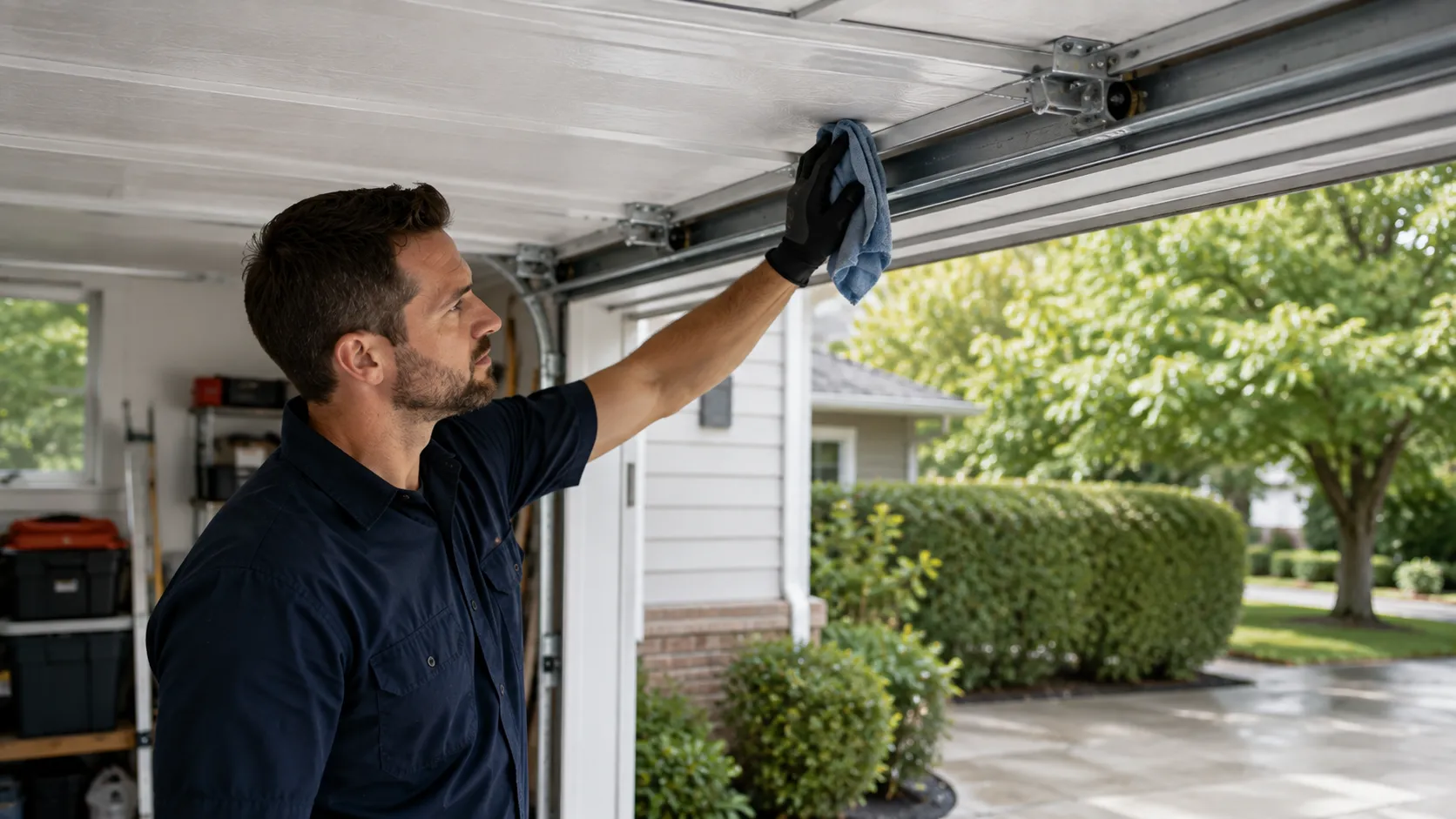
The instinct is to blame the sensor - to assume the eye is dirty, the wire is loose, or the unit is dying. Sometimes that's true. But on houses from the 1980s-90s stock that makes up most of this area, the more common cause is that the bracket itself has racked slightly out of true with age, or the track it's mounted to has been bumped, tapped, or nudged over the years by a car mirror, a bike, or a ladder.
People re-aim the sensor by eye, get the light to stop blinking, and call it fixed. It holds for a week and then drifts again, because the underlying mount is still loose or the track is still slightly bent. Cleaning the lenses is worth doing and takes thirty seconds, but it's not the same job as checking whether the bracket is actually still square to the opposite sensor.
What Is Going On
Two safety sensors sit a few inches off the floor on either side of the door opening, sending an infrared beam across the gap. Break that beam and the door won't close - that's the whole point of the sensor. Drift happens when the beam is still connecting most of the time but the alignment has crept far enough that vibration, temperature swings, or a slightly out-of-square door frame knocks it off intermittently.
On older tracks - and a fair number of doors around here are original to houses built in the 1970s through 90s - the mounting holes have often been drilled and redrilled over the years as brackets were adjusted, which leaves slop in the mount itself. Add a slab that's shifted even a little from decades of seasonal freeze-thaw, and the two sensors that were dead level in 1985 may now be a half-inch off from each other. The door still closes on good days.
It's the cold mornings, when a slightly warped track pulls tighter, that the beam gets interrupted for no visible reason.
Leaving It Alone
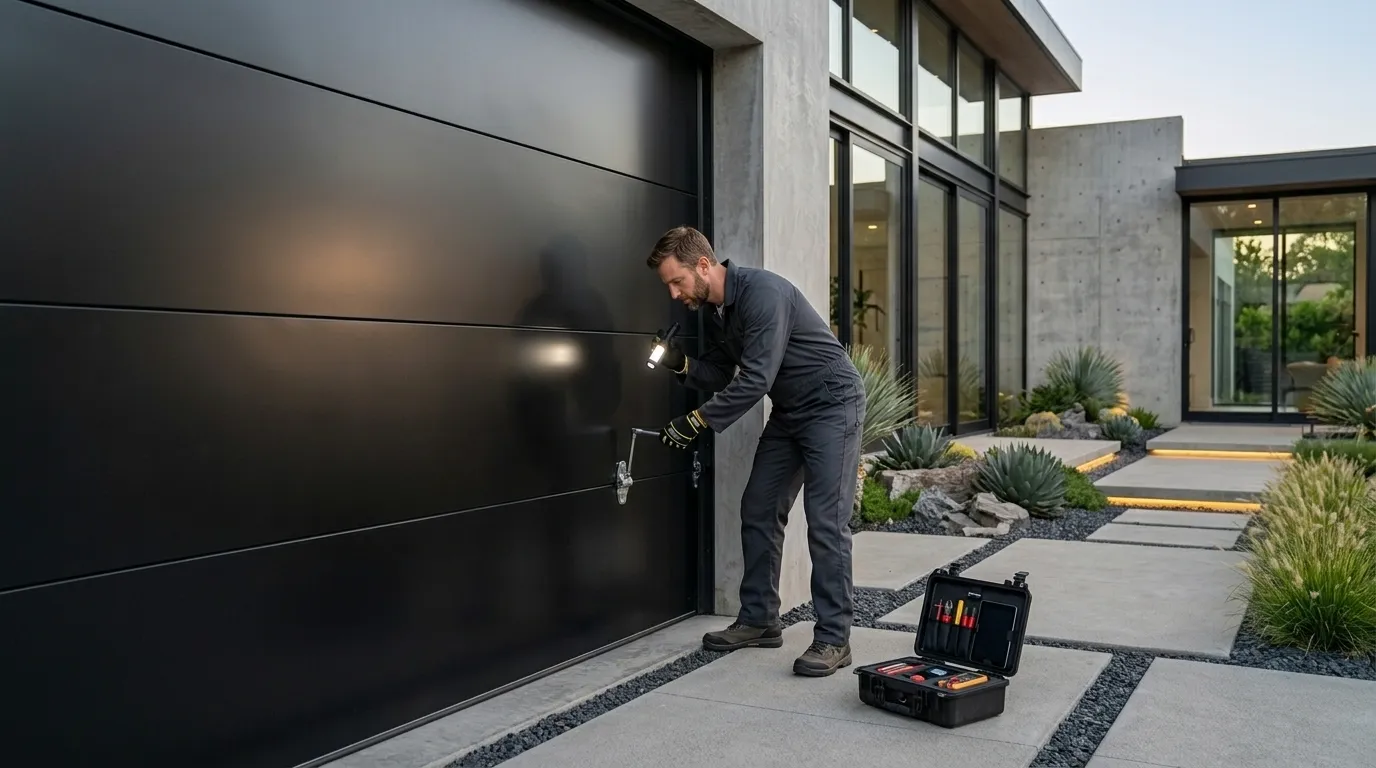
We won't pretend every blinking sensor light needs a truck roll. If the door closes fine nine times out of ten and the tenth time is clearly a box or a bike leaning too close to the beam, that's not drift - that's just clutter in the way. Realigning a sensor is a five-minute adjustment when the bracket and track are sound, and there's no reason to pay for a service call if a homeowner is comfortable loosening the wing nut, resquaring the eye, and tightening it back down.
Where it's worth a call is when the sensors keep drifting back to the same bad angle within days - that usually means the bracket mount itself has worn oversized, or the track has a bend that a quick alignment can't fix. On a slab this old, chasing symmetry with shims every month costs more in visits than replacing a worn bracket once.
How We Can Help
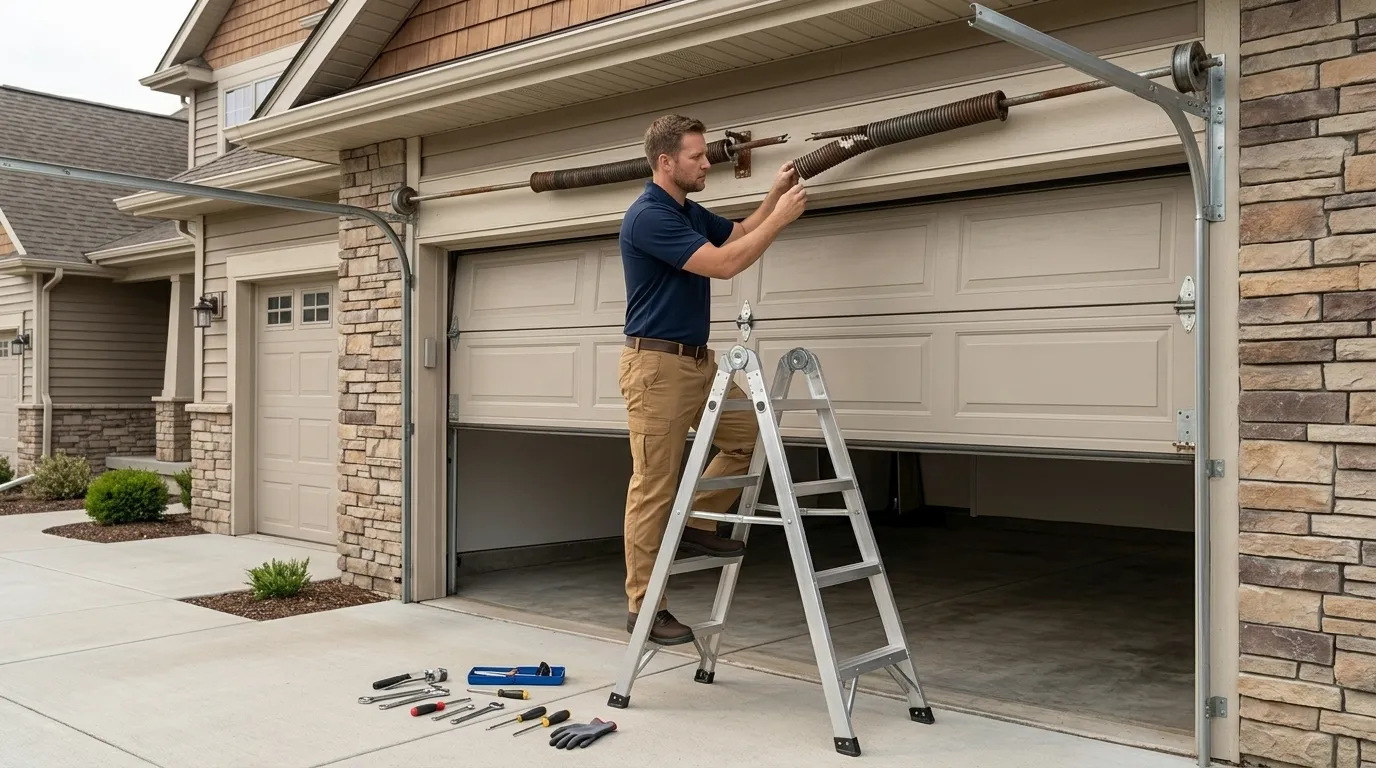
Garage Door Repair
Springs, cables, tracks, rollers, and openers fixed by a tech who explains the problem before touching anything.
Learn more →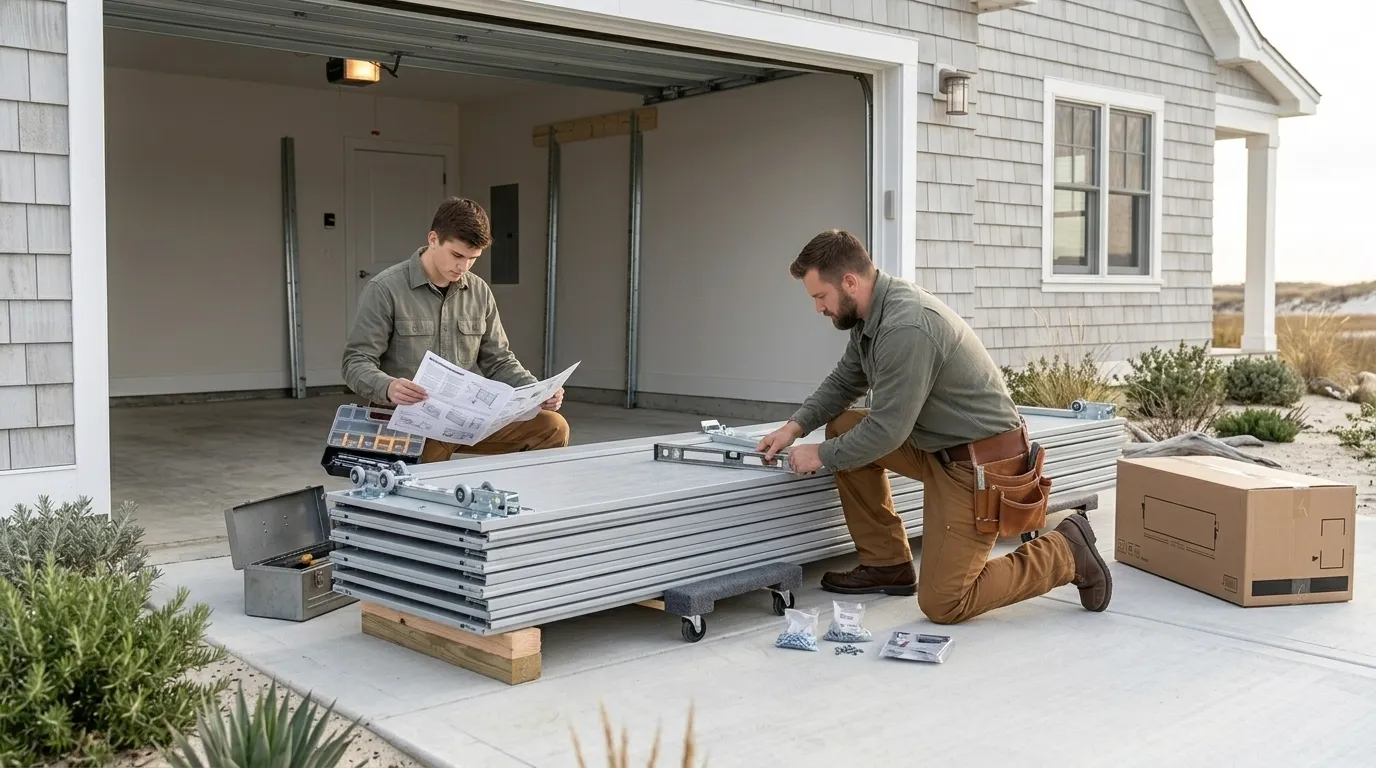
Garage Door Installation
New sectional doors sized and installed for the housing stock actually built in this area.
Learn more →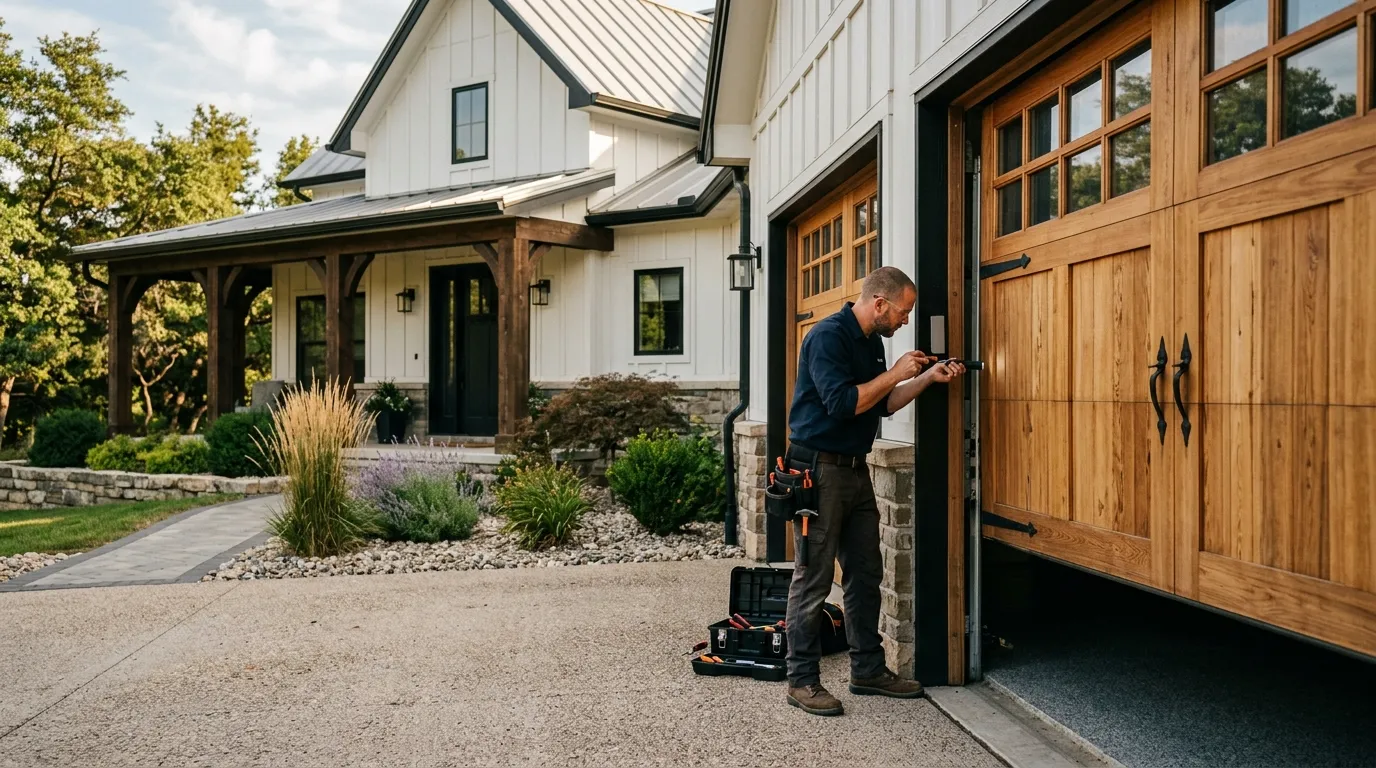
Garage Door Service
Tune-ups, lubrication, and safety checks that catch a small problem before it becomes a service call.
Learn more →Frequently Asked Questions
Why does my garage door sensor work fine most days and then randomly stop the door from closing?
On houses in this area built between the 1970s and 90s, the sensor brackets are often mounted to tracks or jambs that have shifted slightly with decades of freeze-thaw cycles. The beam still connects most days, but cold mornings or a slightly warped track can knock it off just enough to interrupt the beam intermittently.
Can I fix sensor drift myself or do I need a technician?
If the bracket and track are still solid, realigning the sensors yourself is usually a five-minute job: loosen the mounting screw, level the sensor by eye or with a level, and tighten it back down. Call in help if the sensors drift back to the same bad angle within days, which usually points to a worn bracket or bent track.
Does the cold weather in Buffalo Grove actually affect garage door sensors?
Yes, indirectly. Buffalo Grove sits in a cold, moderate climate band with repeated freeze-thaw cycles each winter. Those cycles shift concrete slabs and wood framing slightly over the years, which can pull sensor brackets out of alignment even when nothing was touched.
Have a Door That Needs a Second Opinion?
Call and describe what it is doing - we will tell you what it likely is.