
Buffalo Grove Garage Door Guide
Detached and Attached Garages Don't Age the Same Way Here
Buffalo Grove homes built between 1938 and 2009 split roughly between attached and detached garages, and the cold winters here treat each layout differently. Here's what that means for your door.
- Licensed & Insured
- Same-Area Service Calls
- Upfront Pricing
How Local Conditions Play In
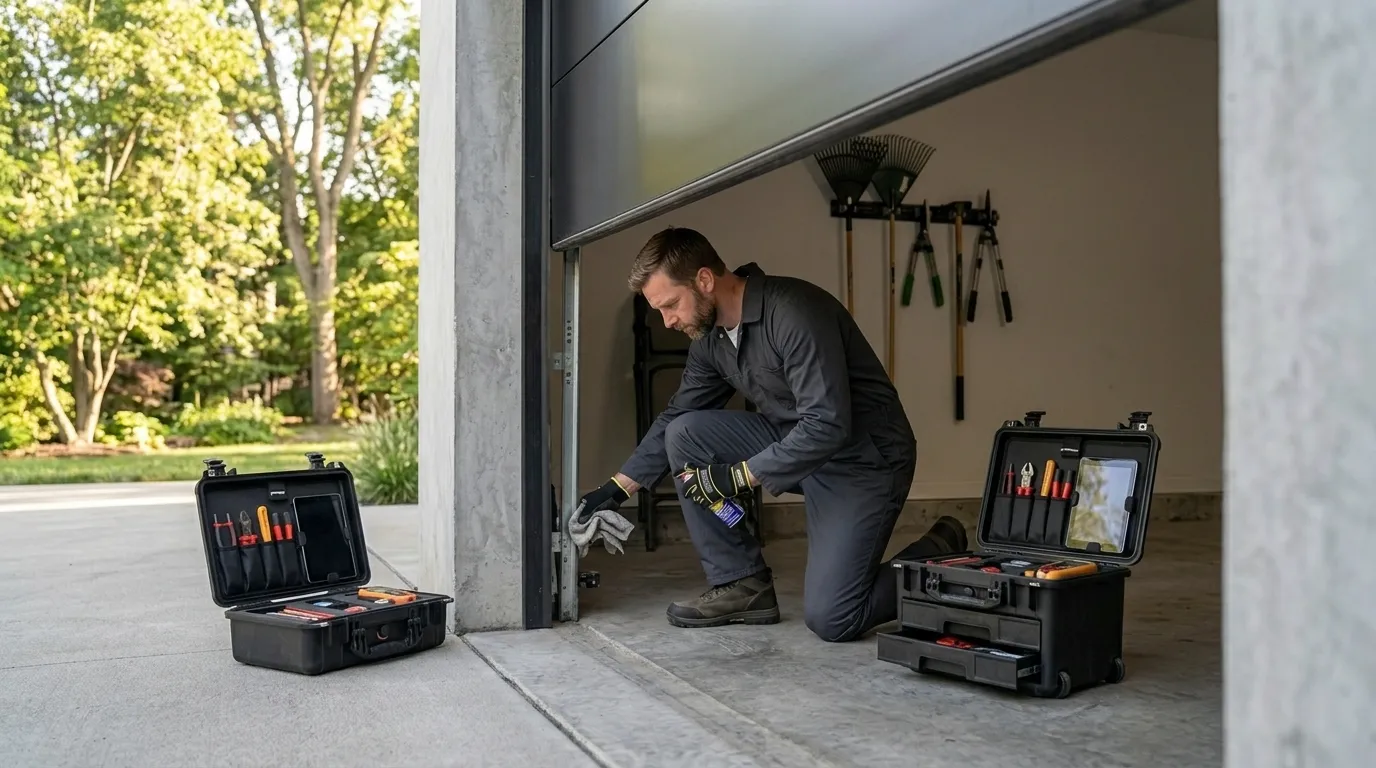
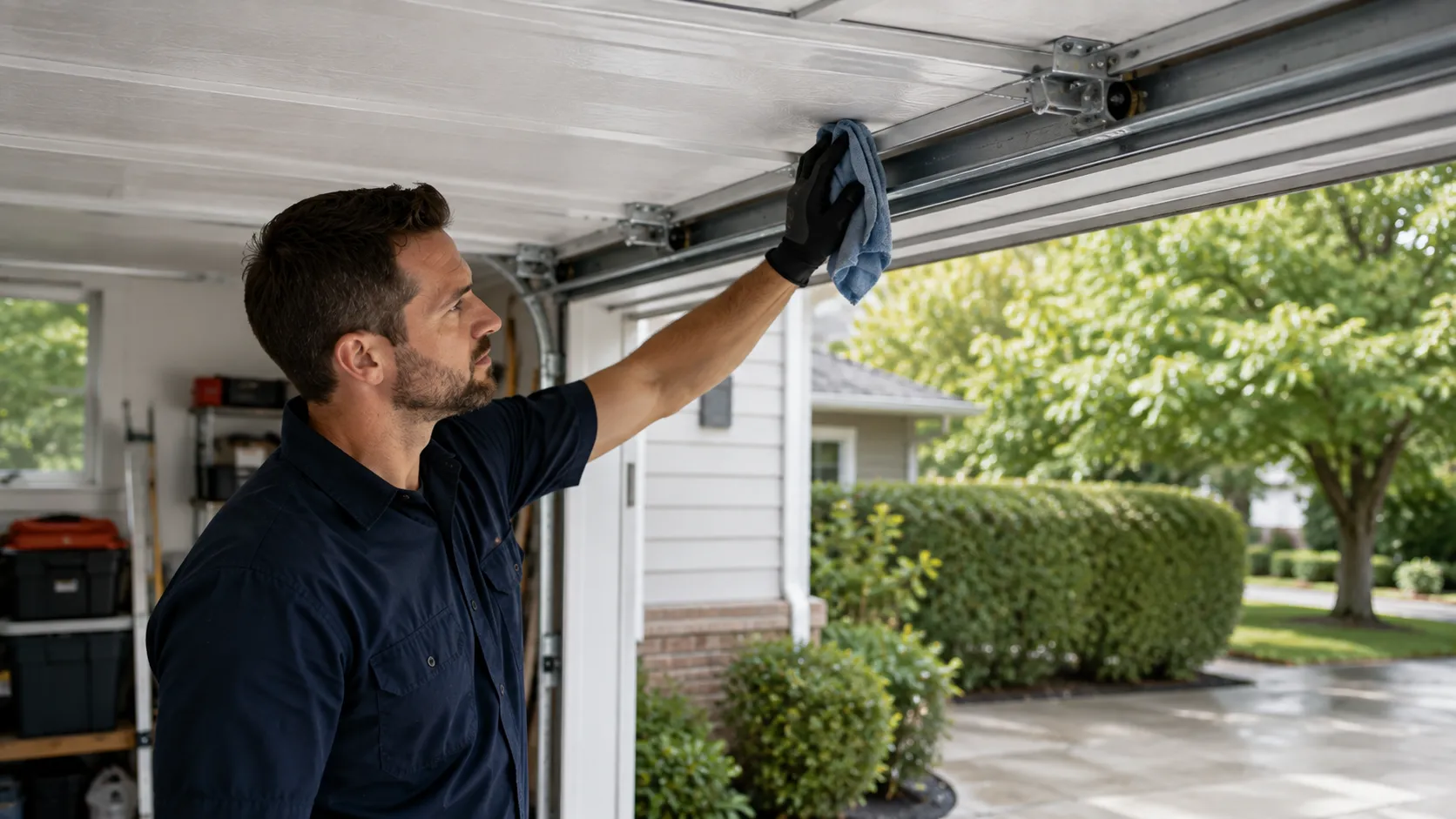
Buffalo Grove's housing stock runs from 1938 up through 2009, with the median build year sitting around 1980, and the surrounding area is mostly 1980s and 90s construction. That range matters because attached garages didn't become the default until later in that span.
Older lots, especially anything from the 1938-1960s pocket, are more likely to have a detached garage set back from the house, often as a separate structure with its own slab and its own exposure to the weather. Newer builds from the 80s and 90s onward tend to have the garage built into the house envelope, sharing at least one wall with heated living space.
The climate here is cold with moderate swings, and that split changes how a door behaves. A detached garage has no shared wall to borrow warmth from, so the steel panel and the spring assembly ride the full temperature swing every day.
An attached garage stays a bit more stable because one side is buffered by the house. Same door, same spring, different working life depending on which side of that build-era line the house falls on.
What Most People Get Wrong
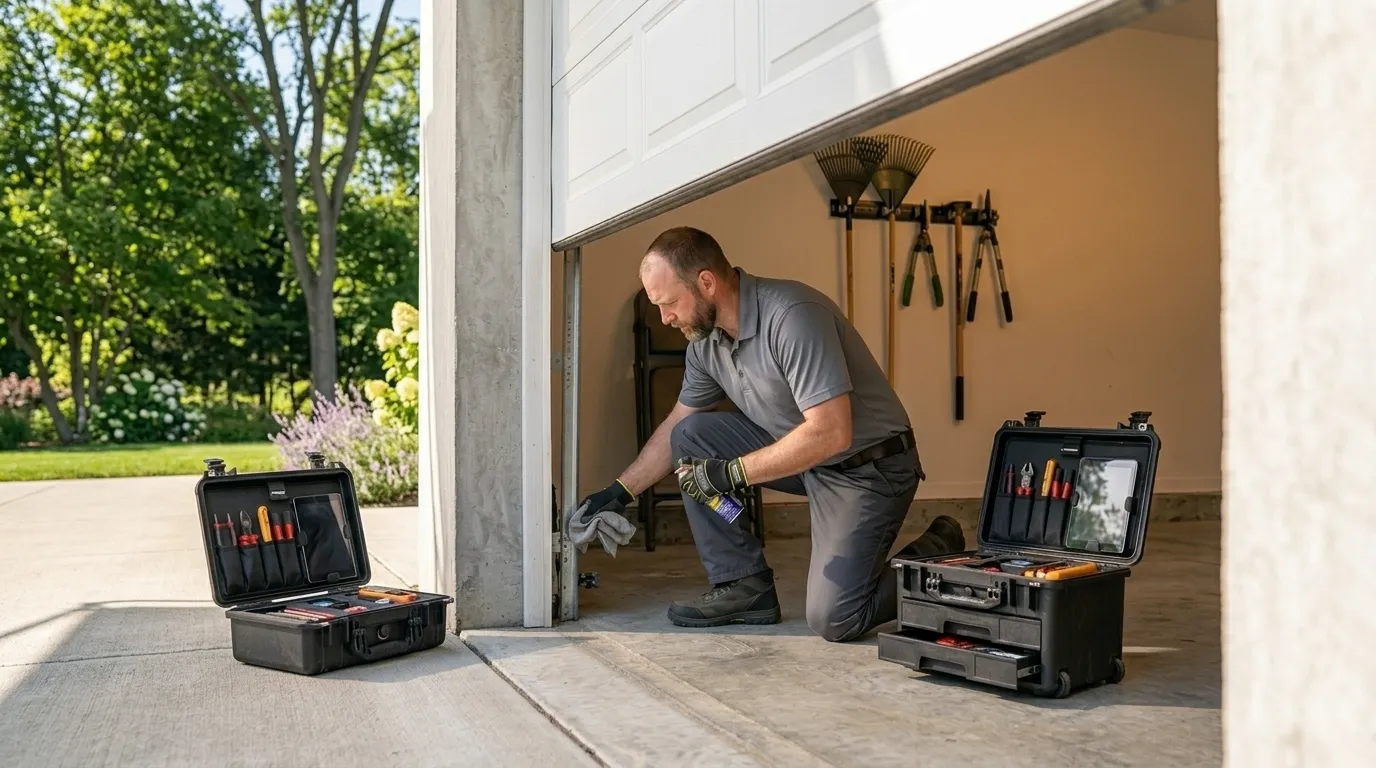
The common mistake is treating every garage door job the same way regardless of whether the garage stands alone or is tucked against the house. On a detached structure from the older end of Buffalo Grove's build range, the door is usually the only thing standing between the space and outside temperature swings all winter. People assume a standard torsion spring, sized the way it would be for an attached garage, will hold up the same way.
It doesn't always. The spring on a detached unit cycles through wider temperature extremes with nothing to soften them, and the steel fatigues on a different schedule.
On the attached side, the mistake runs the other way. Homeowners in the newer 1980s-2000s stock sometimes think because the garage is part of the house, the door doesn't need attention.
But an attached garage in a cold-climate area still sees the door itself go from near-freezing to whatever the garage interior holds, and a door that's not sealing well pulls that cold air straight into a wall that backs onto living space. Either way, the fix depends on knowing which kind of garage you actually have before deciding what's wrong.
What Is Going On
A torsion spring works by storing tension to counterbalance the door's weight, and steel behaves differently as it gets colder. In a detached garage with no adjacent heated wall, that steel spends the whole cold season at whatever the outside air is doing, so the spring's flex and the opener's motor both work harder to move a door that's slightly stiffer than it would be in summer. That's a straightforward mechanical fact, not something specific to any one door brand.
In an attached garage built to the 1980s-2000s stock common around here, the shared wall keeps the space a few degrees warmer on average, which eases the load on the spring and the opener somewhat, but it also means any drop in the door's seal shows up as a draft against a wall that's part of the house. So the failure you're chasing on a detached garage is usually mechanical fatigue from wider swings. The failure on an attached garage is more often a seal or balance issue that's now affecting comfort inside the house, not just the garage.
Leaving It Alone
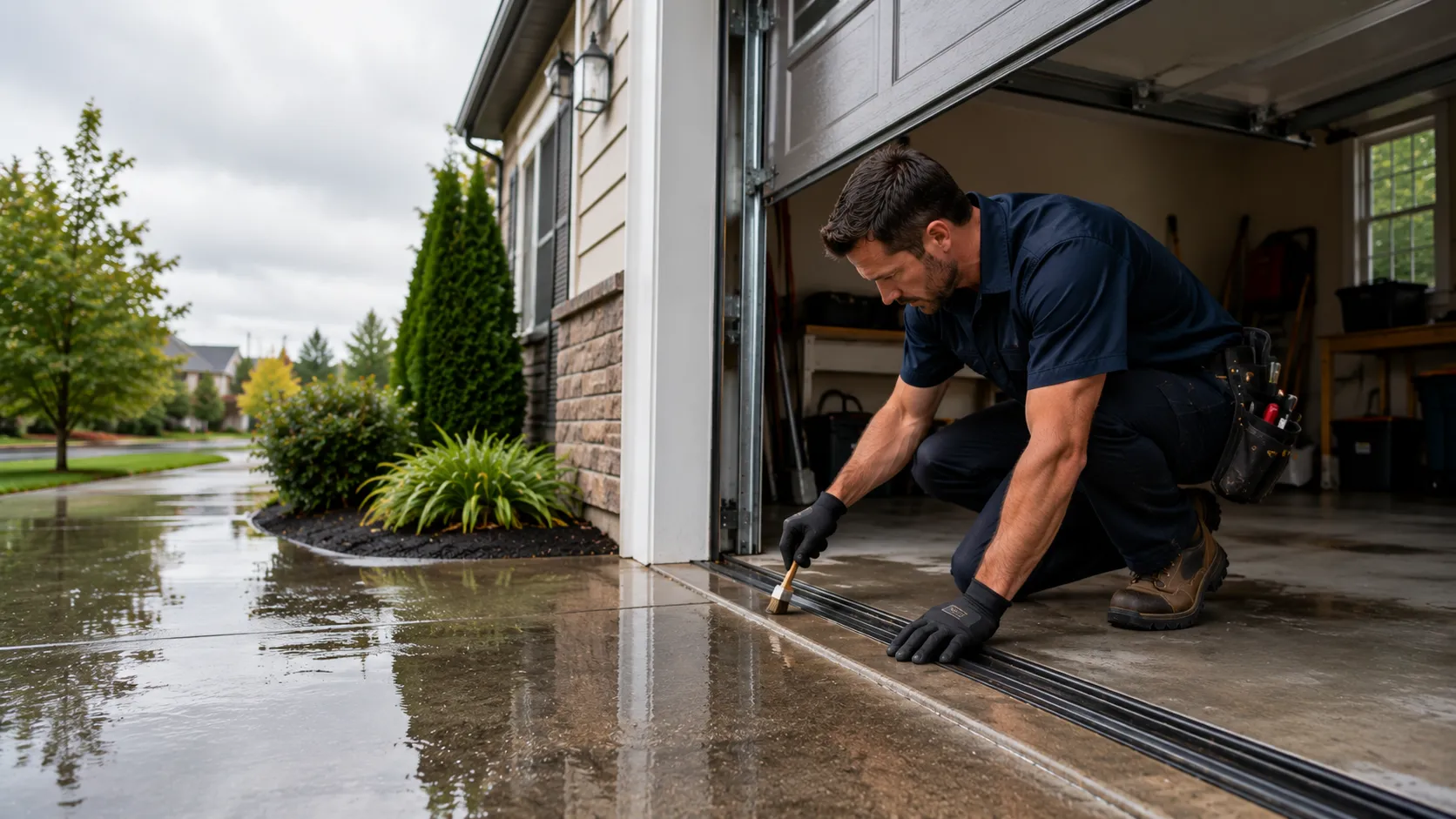
Not every door on an older detached garage is worth saving. If the structure itself is from the early end of Buffalo Grove's 1938-2009 build range and the door has been through enough cold cycles that the track is bent or the panel seams have separated, patching the spring or the opener is a short-term fix on a door that's already at the end of its working life. In that case, replacement is the honest answer, not another repair call in eight months.
On the attached side, the calculation is usually different, since the structure and the door tend to be newer and a spring or roller replacement carries the door further before it's worth swapping the whole unit. We'll tell you straight which side of that line your door is on rather than sell a repair that won't hold.
How We Can Help
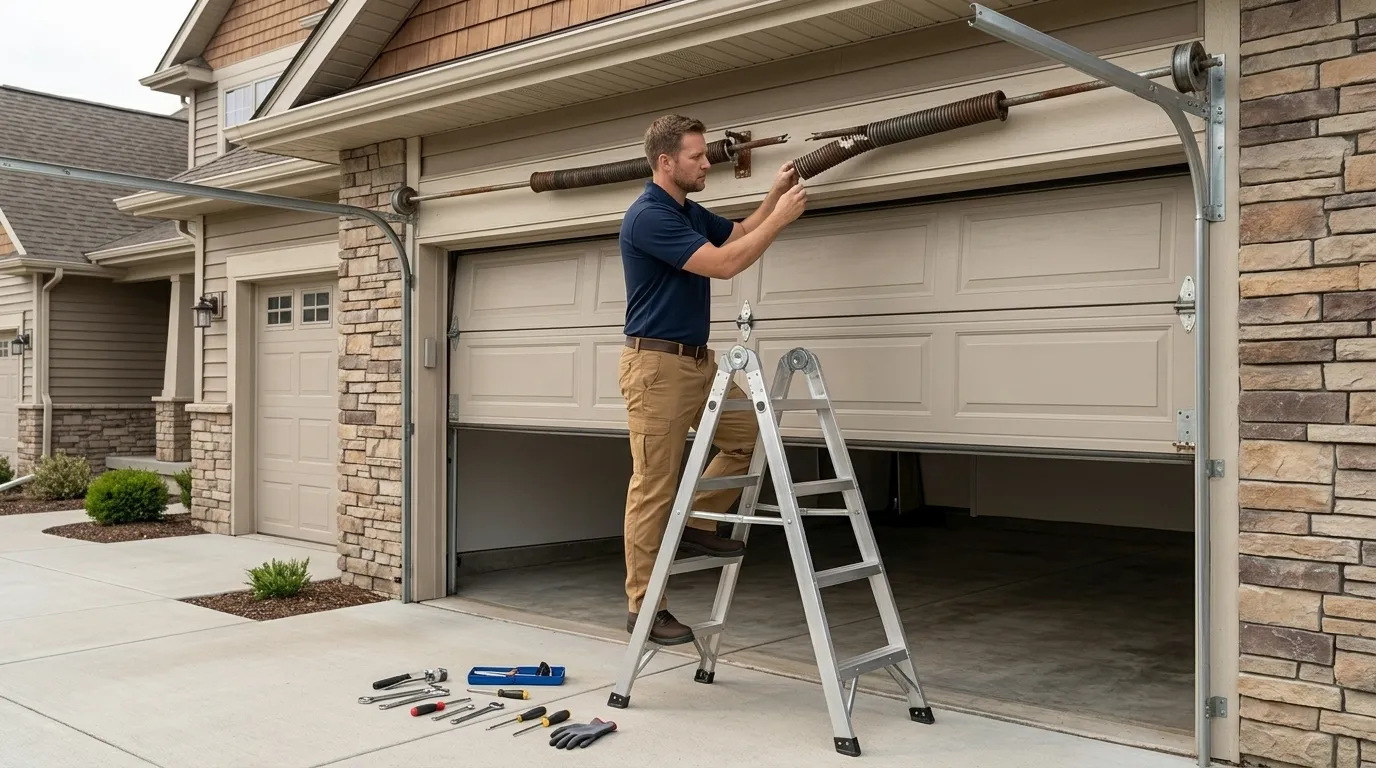
Garage Door Repair
Springs, cables, tracks, rollers, and openers fixed by a tech who explains the problem before touching anything.
Learn more →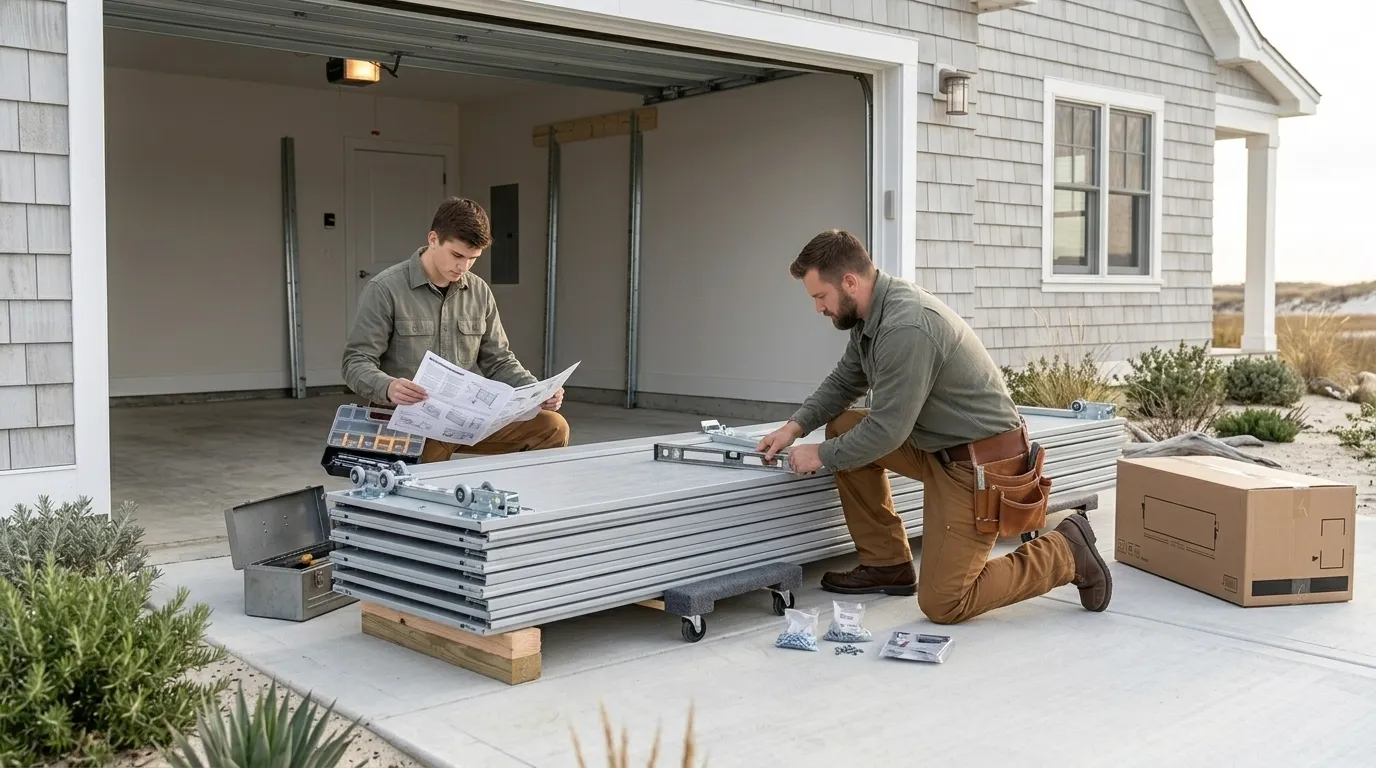
Garage Door Installation
New sectional doors sized and installed for the housing stock actually built in this area.
Learn more →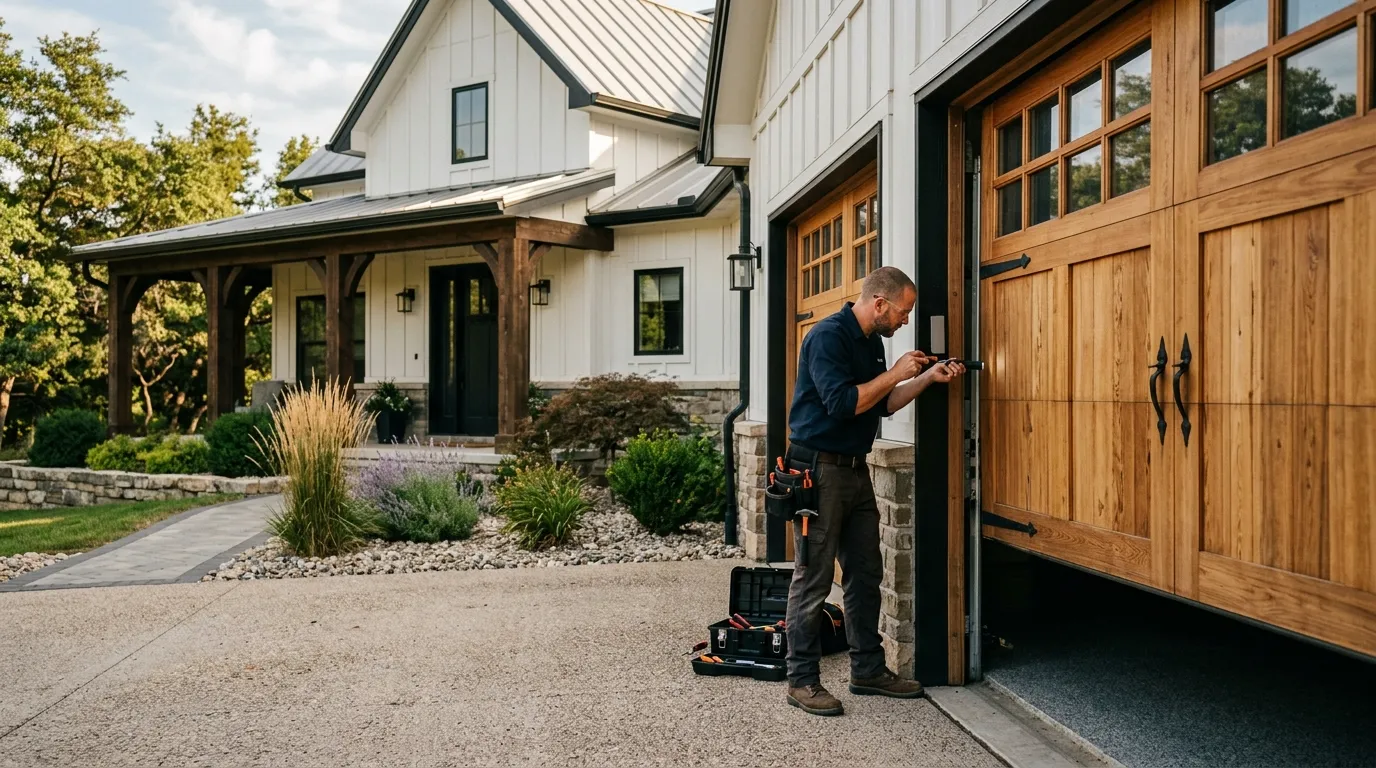
Garage Door Service
Tune-ups, lubrication, and safety checks that catch a small problem before it becomes a service call.
Learn more →Frequently Asked Questions
Does a detached garage door need a different spring than an attached one?
Not a different part number necessarily, but a detached garage door works through wider temperature swings since there's no shared wall keeping it milder, which tends to fatigue the spring faster. On an older detached structure here, that's often why the spring goes before the rest of the door shows wear.
Why does my attached garage door let cold air into the house?
If the door isn't sealing at the bottom or sides, cold air comes through a wall that's directly tied to living space in most of Buffalo Grove's 1980s-2000s built homes. It's usually a weatherstrip or balance issue rather than anything wrong with the opener.
Is it worth replacing an old door on a detached garage instead of repairing it?
Depends on age and condition. If the structure is from the earlier end of the local build range and the track or panels are already bent from years of temperature swings, a repair buys a few months at best. We'll look at it and tell you honestly if replacement is the better spend.
Do newer attached garages in this area still need winter door maintenance?
Yes. Being attached softens the temperature swing but doesn't eliminate it, and a door that's out of balance still strains the opener in cold weather same as any other. It's just usually a lighter fix than what a detached door needs.
Have a Door That Needs a Second Opinion?
Call and describe what it is doing - we will tell you what it likely is.