
Buffalo Grove Garage Door Guide
Buying a Replacement Door Here: What Actually Matters
A guide to replacing a garage door in Buffalo Grove, built around the area's 1980s housing stock, cold winters, and what actually fits these openings.
- Licensed & Insured
- Same-Area Service Calls
- Upfront Pricing
How Local Conditions Play In
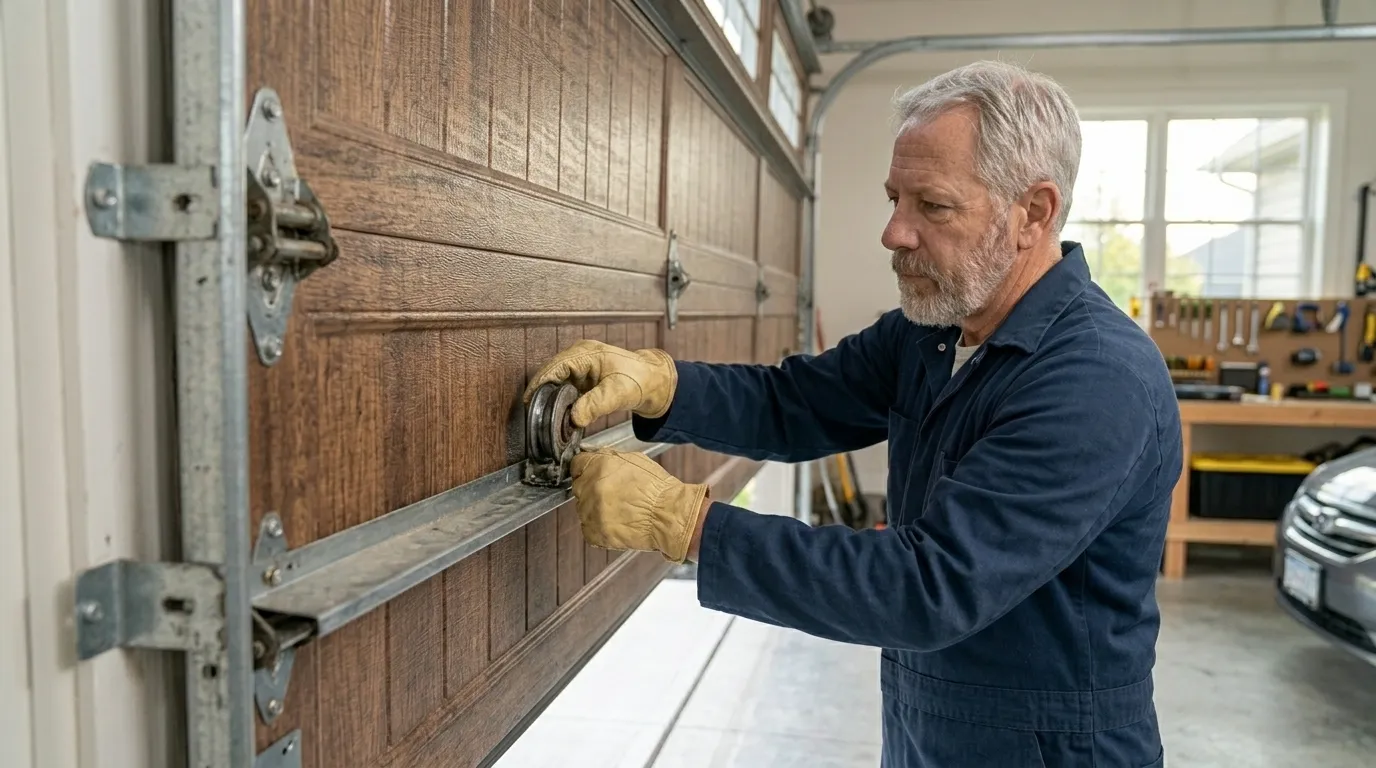
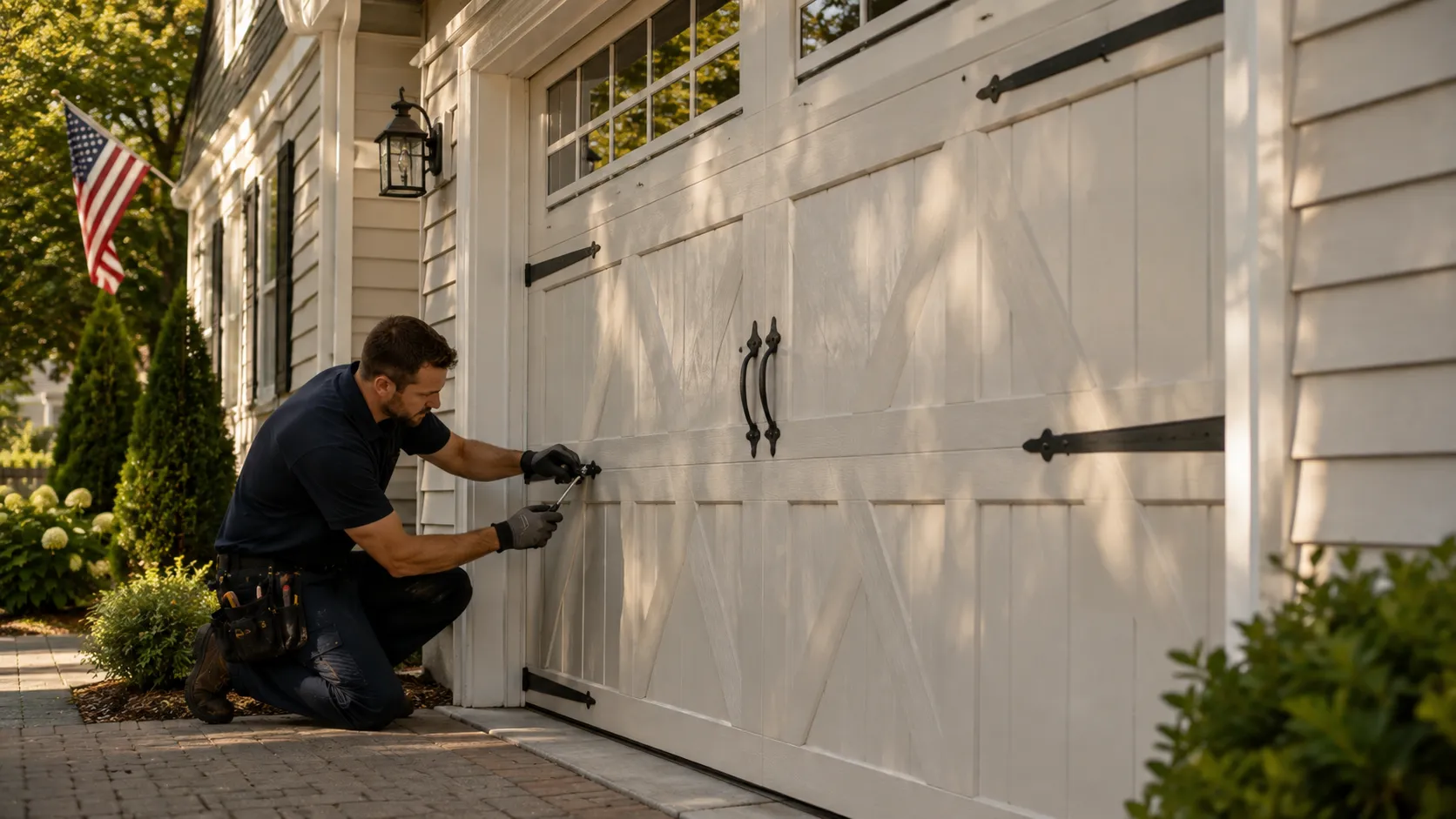
Most houses around here went up between 1938 and 2009, with the bulk of the stock dating to the 1980s and 90s. That matters more than people think when you're shopping for a new door.
Openings built in that window were framed to a fairly standard set of dimensions and hardware clearances, so a lot of stock sizes from big retailers will actually fit without carpentry. That's the good news.
The other piece is the cold. This area sits in a moderate-cold climate band, which means real freeze-thaw cycles every winter, not just a few cold snaps. A door without a thermal break, or with thin single-layer steel, will sweat and ice up on the inside face during a hard cold stretch.
If you're replacing anything, insulation value isn't a luxury option here, it's what keeps the door from binding on cold mornings when the steel contracts and the seals stiffen. I'd rather sell you a mid-grade insulated door than a cheap uninsulated one that fights you every January.
Housing built in the 1980s and 90s also tends to have narrower jamb returns than newer construction, so measuring before you order matters more than the marketing photos on any door's product page.
What Most People Get Wrong
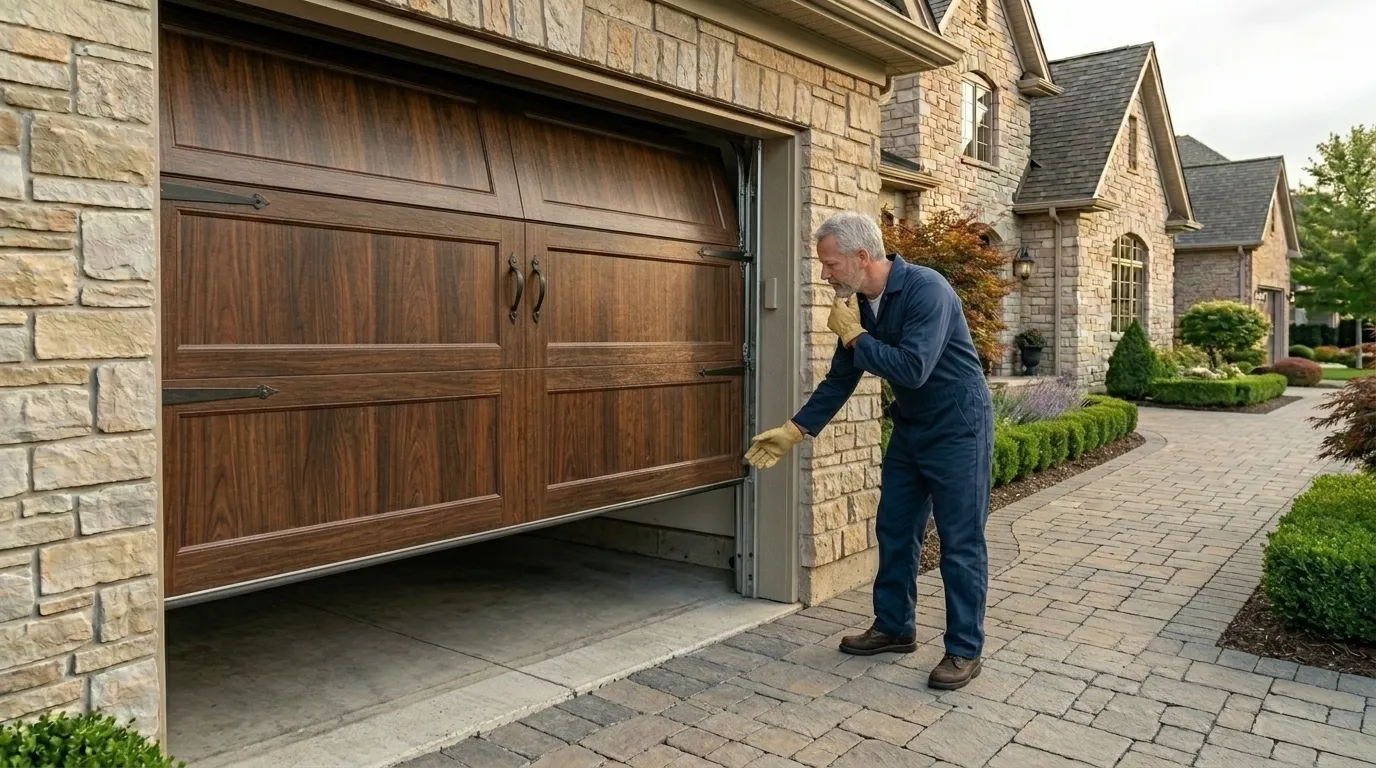
The biggest mistake is picking a door off a showroom floor or a website photo without checking what your opening was actually built for. In a home from the 1980s median build era, the rough opening and the track clearance were sized for the hardware of that decade. A newer door panel is usually fine, but the track kit and springs that come bundled with some big-box doors are not always matched to that older framing, and that's where installs go sideways.
The second mistake is buying on insulation R-value alone and ignoring the bottom seal and weatherstripping. In a cold-moderate climate, the seal at the floor does more day-to-day work than the panel's core. A well-insulated door with a worn-out astragal still lets in wind and lets heat out.
Third, people assume any door will fit any garage because most local homes were built in a similar era. Across the 79 named subdivisions and pockets in this area, construction dates and opening sizes still vary house to house, so a neighbor's door choice isn't a guarantee for yours.
What Is Going On
With household income in the area running well above the regional norm - median household income sits at $109,790 - a good number of replacement jobs here are upgrades rather than emergency swaps: people replacing a working but dated door with something better insulated, quieter, or better matched to the house. That changes the calculus. You're not just buying the cheapest thing that closes; you're choosing a door that has to perform through a real winter for years.
Across the wider service area there are roughly 180,389 owner-occupied houses among 364,529 households, which tells you the replacement market here is mostly single-family garages, not shared or rental structures with a landlord making the call. That means the owner is the one living with the seal, the spring weight, and the insulation choice every day, so it's worth spending the extra ten minutes on specs instead of grabbing the first door that matches the old color.
Leaving It Alone
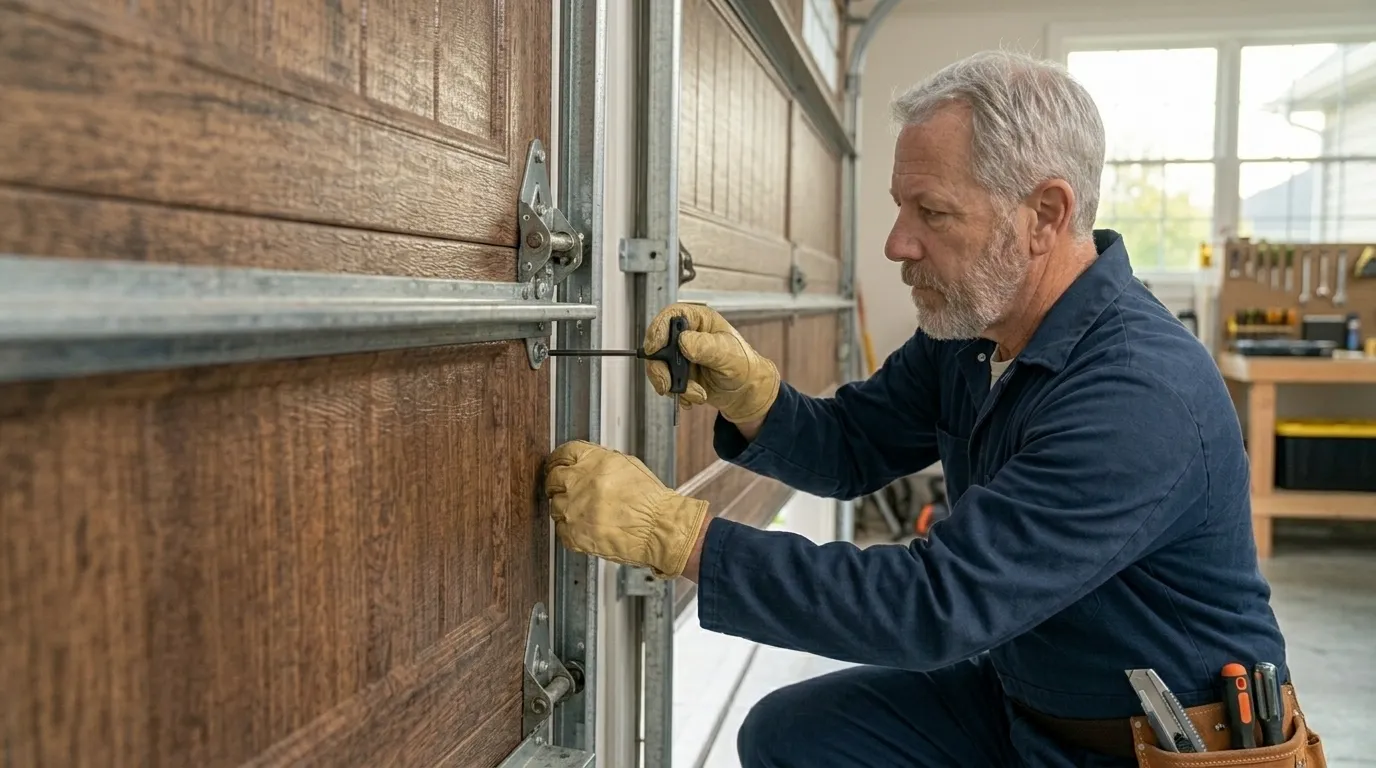
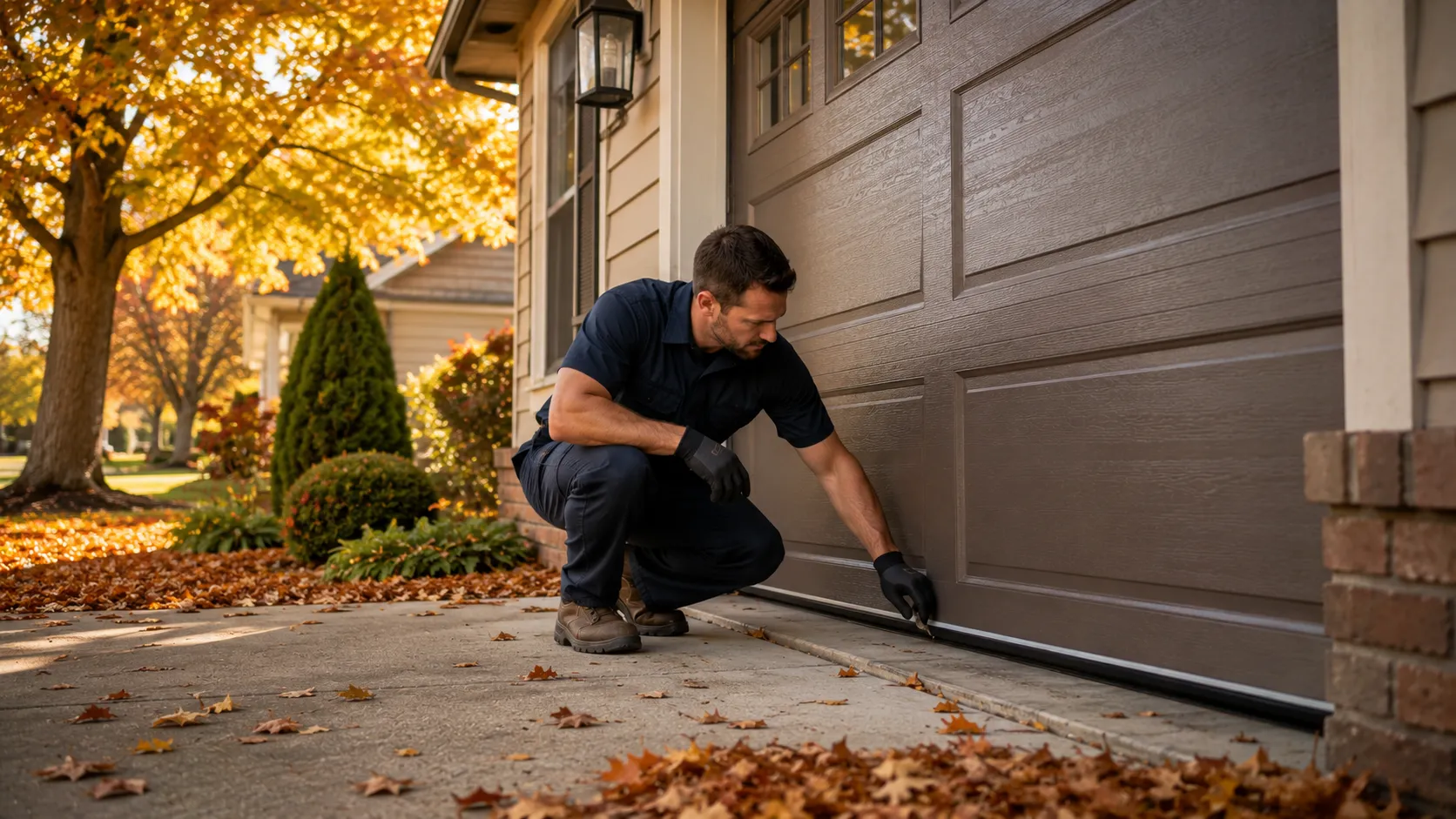
Sometimes the right answer is not to replace the door at all. If your panels are original to a 1980s or 90s build and the track, hinges, and rollers are still true, a worn door can often be brought back with new weatherstripping, a serviced spring, and new rollers for a lot less than a full replacement. I won't talk you into a new door just because the paint's faded.
Where I do push for replacement: steel that's rusted through at the bottom panel, a door with no insulation at all in this climate band, or hardware so old that parts are no longer made for it. Past that point, patching becomes false economy.
One honest limit: some specialty sizes and custom insulated panels have to be special-ordered, and lead times on those aren't something I control. If your opening is oversized or oddly framed, plan for a wait rather than expecting a same-week swap.
How We Can Help
Garage Door Repair
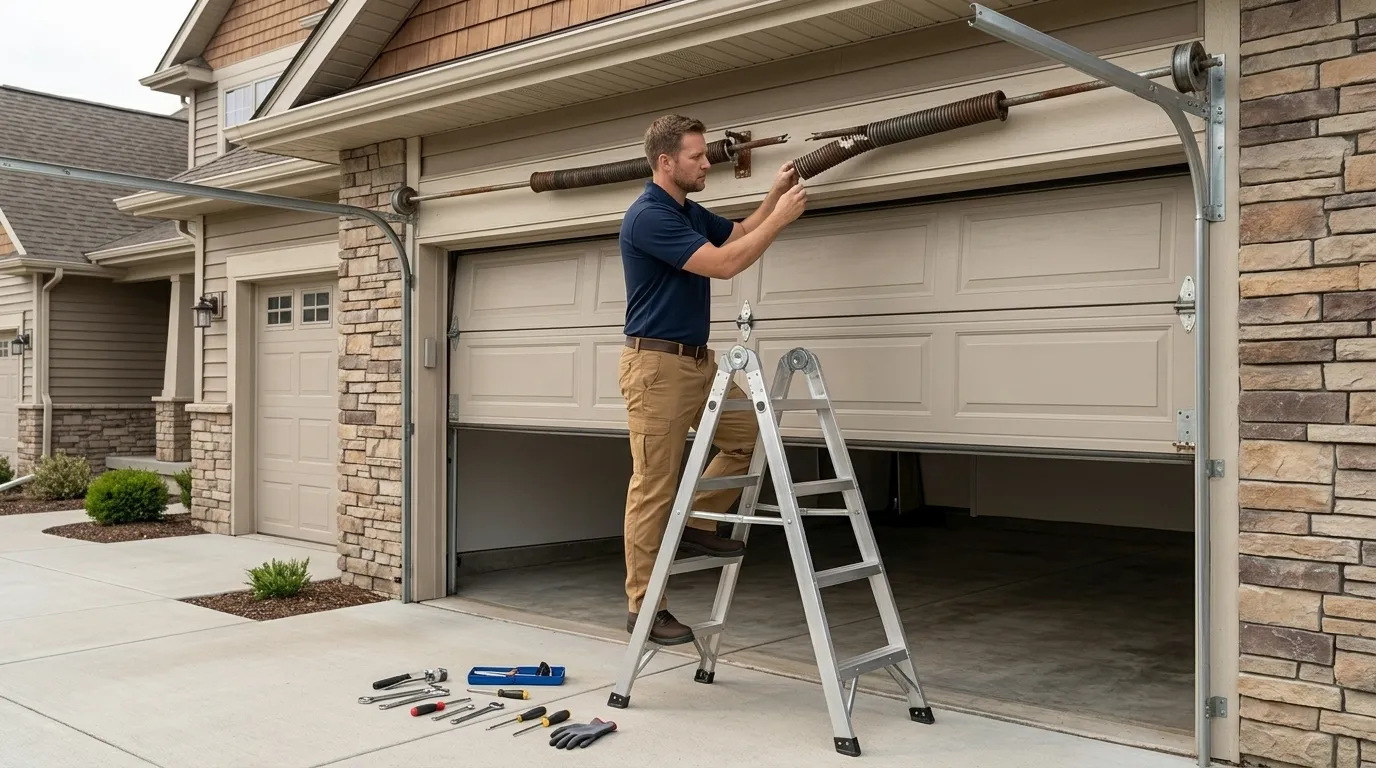
Springs, cables, tracks, rollers, and openers fixed by a tech who explains the problem before touching anything.
Learn more →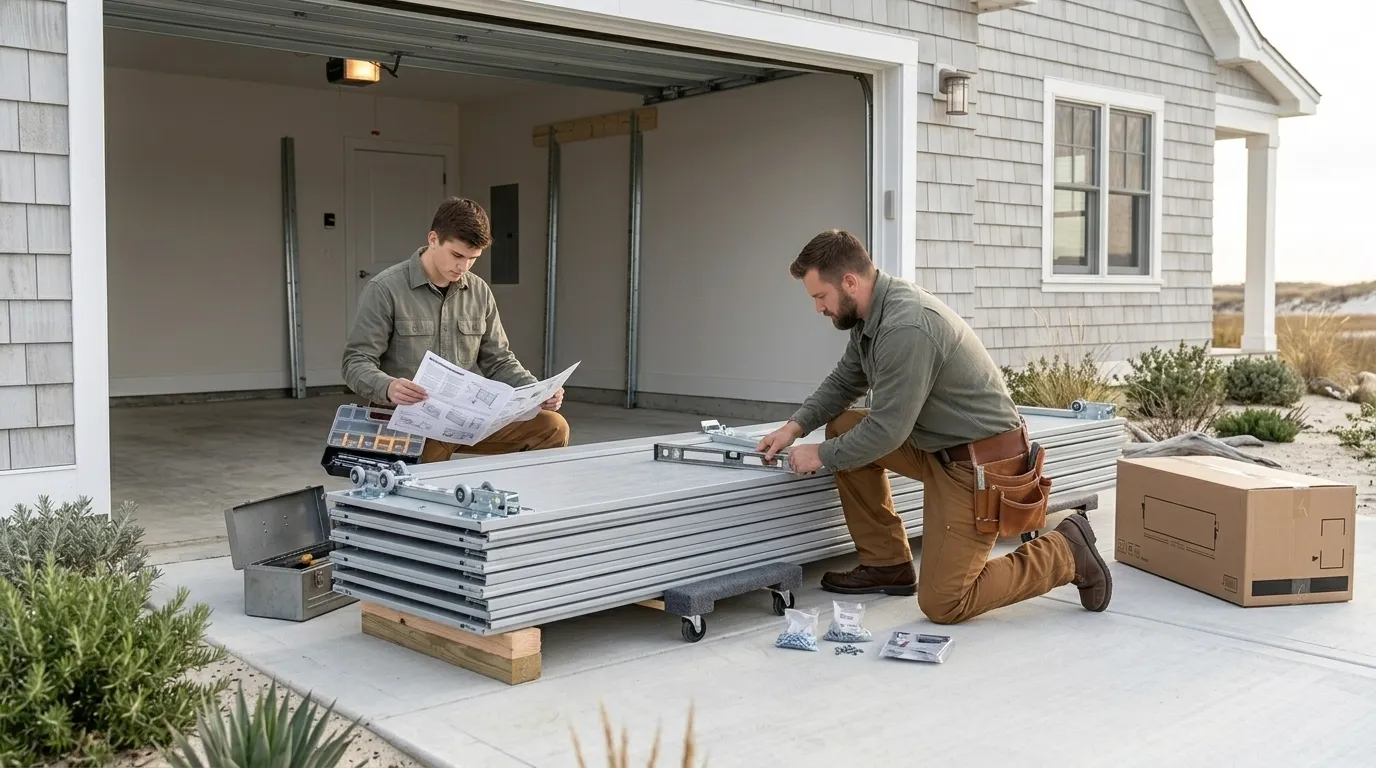
Garage Door Installation
New sectional doors sized and installed for the housing stock actually built in this area.
Learn more →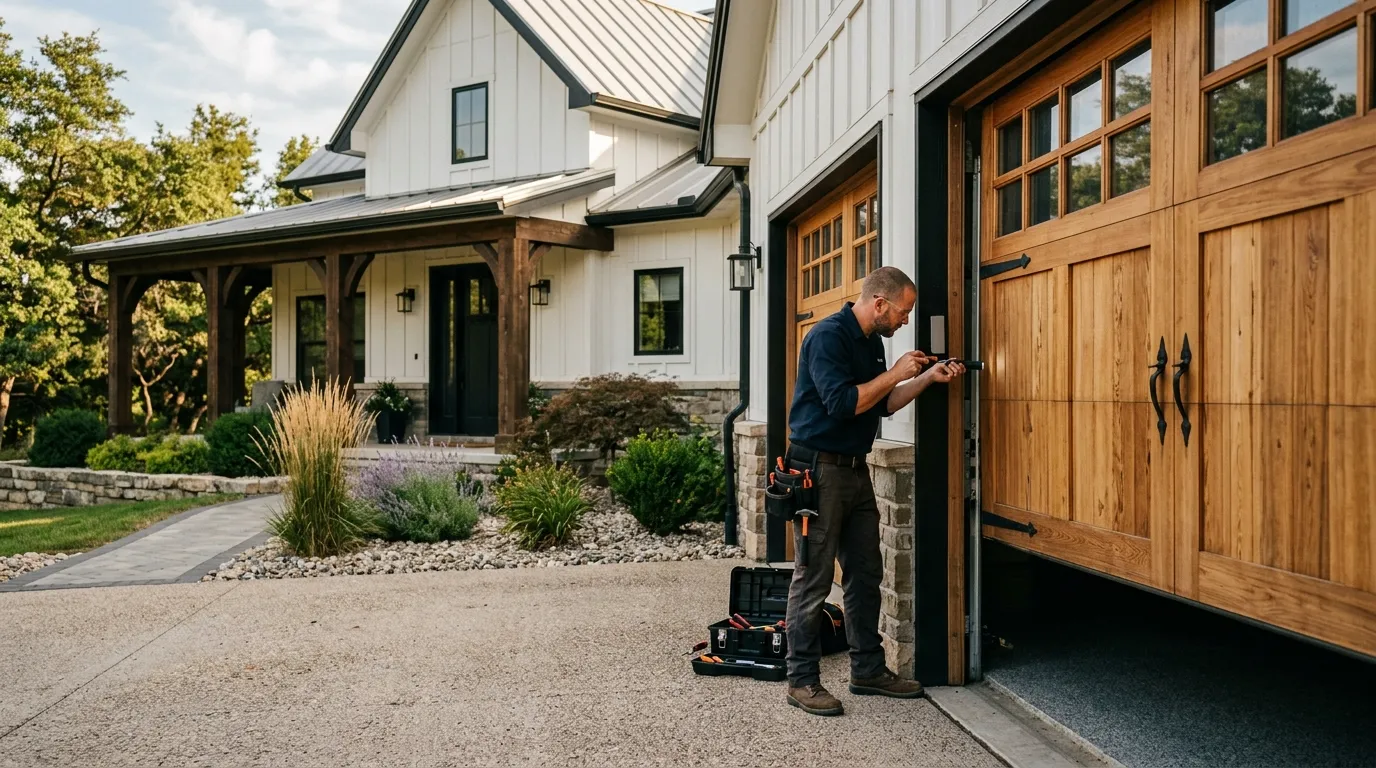
Garage Door Service
Tune-ups, lubrication, and safety checks that catch a small problem before it becomes a service call.
Learn more →Frequently Asked Questions
Will a standard stock door fit my garage if my house was built in the 1980s?
Often yes. Most housing here dates to that decade or the 90s, and openings from that period tend to match common stock sizes. But track clearance and jamb depth still vary, so measure your actual opening before ordering rather than assuming.
Do I need an insulated door in this area?
I'd recommend it. This area sits in a moderate-cold climate band with real freeze-thaw cycles each winter. An uninsulated steel door will sweat, stiffen, and sometimes bind on cold mornings. Insulation isn't cosmetic here, it affects how the door actually operates in January.
Is it cheaper to repair my old door than replace it?
Sometimes. If the panels and track are original but sound, new weatherstripping, rollers, and a serviced spring can cost much less than a full replacement. Replacement makes sense once steel is rusted through or the door has no insulation at all.
Have a Door That Needs a Second Opinion?
Call and describe what it is doing - we will tell you what it likely is.